
Samsung Patents a Smarter Touch Sensor Layout Around Hole-Punch Displays
Every hole-punch camera on your phone creates a dead zone in the touch sensor grid — Samsung's new patent is a carefully engineered workaround that keeps the touchscreen working seamlessly all the way to the edge of that cutout.
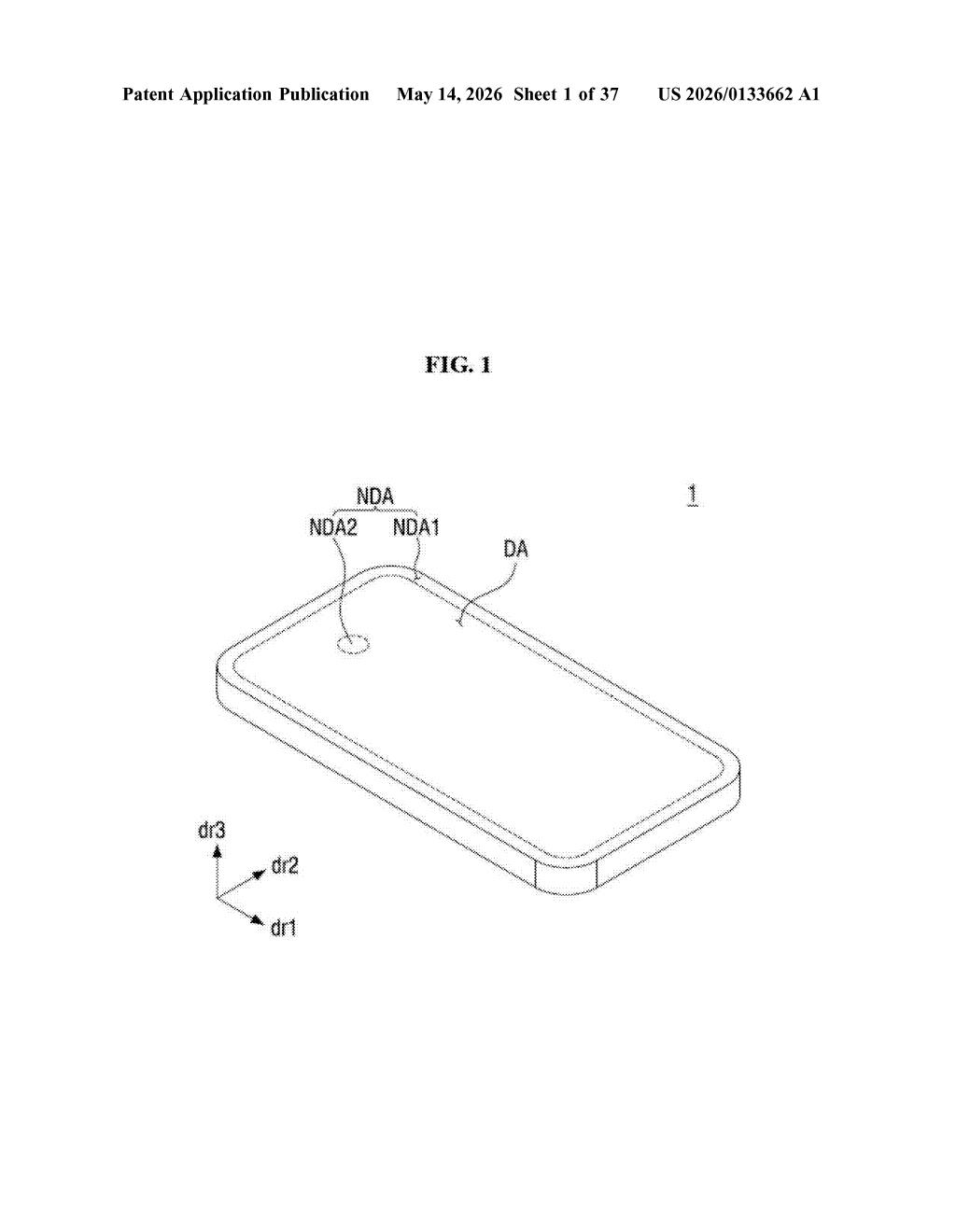
What Samsung's hole-punch sensor routing actually does
Imagine your phone's screen has a small circular hole cut through it for the front camera. That hole isn't just cosmetic — it punches through every layer of the display, including the thin wires that make the touchscreen work. So how do you keep touch sensitivity intact right around that opening?
Samsung's patent describes a way to bridge the touch sensor wiring across the area surrounding the hole, using a dedicated connecting wire that routes through a specially engineered zone between the camera cutout and the main display area. That zone also uses a series of small recesses and a protective dam structure to manage how the display's encapsulation layers are built up around the hole.
The result: two separate touch sensor regions on either side of the hole can still talk to each other electrically, without the signal having to detour all the way around the outer edge of the screen.
How Samsung's connecting wire bridges the hole-punch gap
The patent describes a layered display stack built around a physical hole that goes all the way through the panel — front to back. The screen is divided into two key zones: a second area (the main display area, where pixels and touch sensors live) and a first area (a ring-shaped transition zone surrounding the hole).
Inside that transition zone, Samsung places a dam — a physical barrier structure on the substrate that controls how encapsulation layers (the thin films that seal OLEDs from moisture) flow and settle near the hole. A first encapsulation layer covers the light-emitting elements in the display area; a second layer covers the dam in the transition zone, creating a continuous sealed surface.
The input sensing unit (the touchscreen layer) sits on top of both encapsulation layers. Its touch-sensing electrodes live in the main display area, but a thin first connecting wire runs through the transition zone — the ring around the hole — to electrically link sensor regions on opposite sides of the cutout.
The substrate in that transition zone also includes a series of recesses (small grooves or indentations), which likely help manage stress, layer adhesion, or optical effects near the structurally sensitive hole boundary.
What this means for hole-punch OLED display quality
Hole-punch displays are now the default on flagship Android phones and increasingly common on tablets, but the camera cutout has always been a weak point for both touch accuracy and display durability. Routing sensor connections through the narrow zone around the hole — rather than the long way around — means touch response near the camera can be tighter and more reliable.
For Samsung Display, which supplies panels to Samsung Electronics, Apple, and a range of Android OEMs, innovations like this are competitive infrastructure. A cleaner hole-punch sensor architecture could mean thinner bezels, fewer touch dead zones, or better yields on panels during manufacturing — all of which matter when you're shipping hundreds of millions of screens a year.
This is classic display engineering — not a flashy AI feature, but exactly the kind of incremental structural work that separates premium OLED panels from cheaper alternatives. The dam-plus-recess architecture around the hole is a real manufacturing and reliability problem worth solving, and Samsung Display files these kinds of patents constantly to protect their process know-how.
There are more where this came from
We read every patent application Big Tech publishes and send you the ones worth knowing. Plain English, free, every week.
Want this weekly breakdown for a company we don't cover? Patentlyze Pro →