
Sony Patents Tech to Bundle Game Menus and Icons Directly Into Video Streams
Sony wants to solve a quiet headache in cloud gaming: keeping on-screen menus, overlays, and interface elements in sync with the video feed they're supposed to sit on top of.
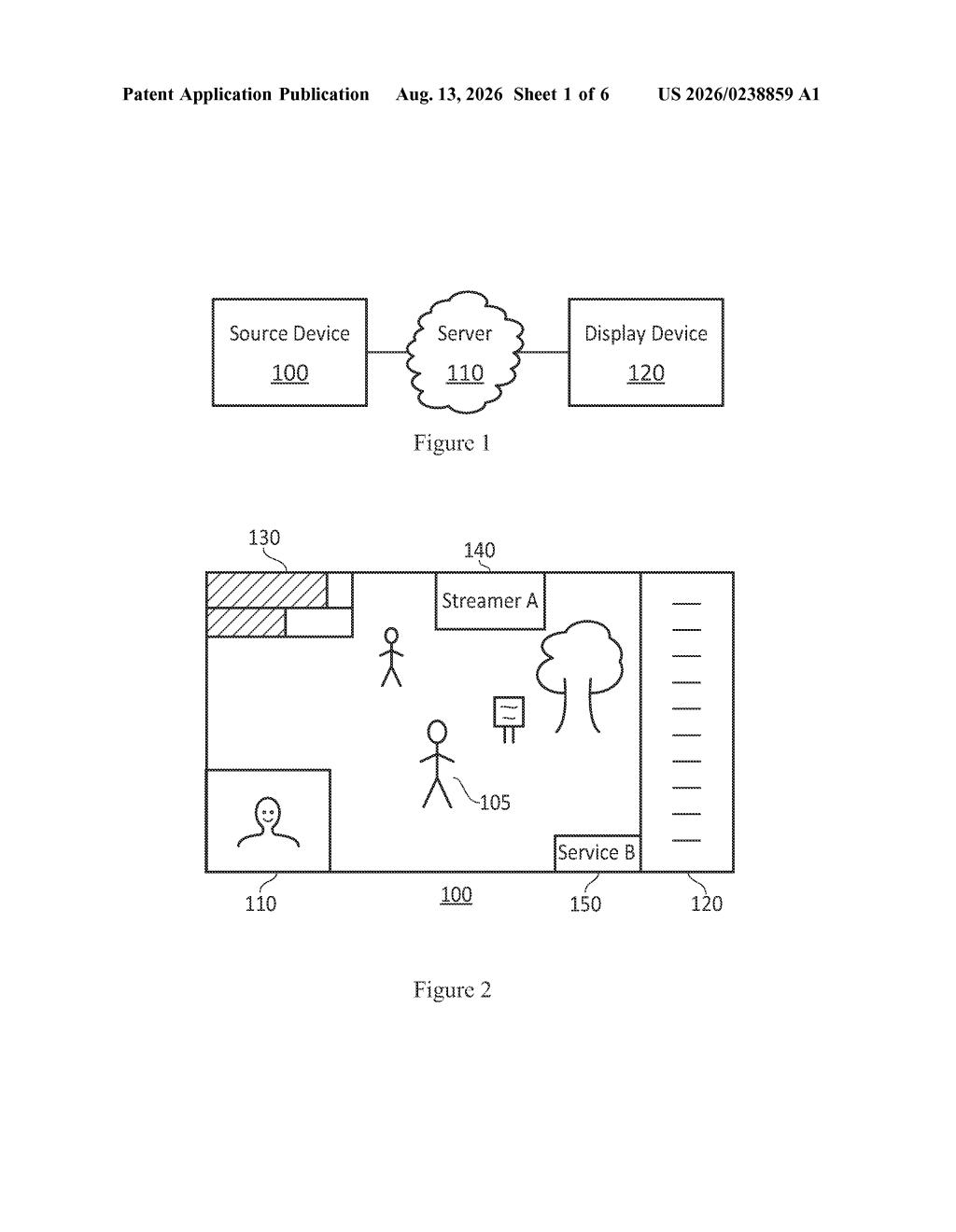
How Sony's asset-bundling idea works for streamed games
When you stream a game from the cloud, the video of the game itself arrives at your device compressed and encoded. But the buttons, menus, icons, and other visual pieces that sit on top of that video? Those often travel separately, which creates timing and sync headaches.
Sony's patent describes a system where the server tags the video stream with small identifiers that tell your device exactly which bundle of assets to grab and layer on top. Instead of guessing or fetching them independently, your device reads those tags, pulls the right package, and composites everything together into a clean final image.
The practical upside is that the video and its accompanying UI elements always arrive as a matched set. You don't get a menu that loads a half-second late or buttons that belong to a different scene. The server controls what assets go with what video, and the client device just follows instructions.
receiving an encoded stream comprising video content and at least one asset package identifier; identifying a required asset package based on the at least one asset package identifier; obtaining the required asset package; and generating a display output by compositing the video content with one or more assets from the required asset package.
Translation: The system takes in the video stream and asset tags, downloads the needed menus or icons, and blends them directly into the picture.
How the encoder links asset packages to the video stream
The system has two sides: an encoder on the server and a decoder on the client device.
On the server side, a content-encoding system:
- Grabs the video content to be streamed
- Determines which assets (UI elements, overlays, icons) should appear alongside it
- Groups those assets into named asset packages and assigns each package a short identifier
- Encodes a single stream that carries both the video and those identifiers embedded inside it
On the client side, the decoder receives that combined stream, reads the embedded asset package identifiers, fetches the matching packages (either from local cache or a network source), and then composites (layered-rendering term for digitally combining separate images) the video with the assets into one final picture for your screen.
The key design choice is that the asset identifiers travel inside the encoded video stream rather than in a separate metadata channel. This means the client always knows, at the moment it decodes a given frame, which assets belong to that frame. The patent does not specify a particular video codec, suggesting the approach is meant to work across encoding formats.
… an encoding unit operable to generate an encoded stream comprising the video content and the one or more asset package identifiers.
Translation: The creator side packs the video stream with special labels that point straight to the interactive menus and graphics.
What this means for PlayStation's cloud gaming ambitions
PlayStation's cloud gaming service, PlayStation Now and its successors, has to solve real latency and sync problems to compete with local hardware. Embedding asset references directly in the video stream is a clean architectural approach: it offloads the "which assets go here" decision entirely to the server, which already knows what it's rendering. That reduces the coordination work the client has to do, and keeps the UI layer from drifting out of sync with fast-moving video.
The tradeoff is that this design tightens the coupling between Sony's streaming servers and Sony's client software. Third-party players or open standards would need to understand the asset-package format for this to work beyond Sony's own ecosystem. Still, for a vertically integrated platform like PlayStation, that's a manageable constraint, and this filing sits alongside a broader wave of latest Big Tech patents in cloud gaming infrastructure that are reshaping how interactive video gets delivered.
The core tradeoff here is flexibility for control: by embedding asset identifiers in the video stream itself, Sony locks in a tight server-client contract that works beautifully inside its own platform but becomes a burden the moment a third party needs to decode the stream. That's a real cost, and it suggests this system is designed for Sony's closed cloud gaming stack rather than any open-standard future. Given that PlayStation's cloud business is vertically integrated by design, that trade reads as deliberate and probably worth it, though it does mean Sony has built a moat around a feature that a more open implementation could have shared across the industry.
There are more where this came from
We read every patent application Big Tech publishes and send you the ones worth knowing. Plain English, free, every week.
The drawings
6 drawing sheets from US 2026/0238859 A1 · click any drawing to enlarge


Want this weekly breakdown for a company we don't cover? Patentlyze Pro →
Be the first to weigh in