
Sony's New Patent Scores User Actions Differently Across Virtual Worlds
Sony is patenting a way to judge what you do in one virtual world by that world's own rules, rather than holding you to a single universal scorecard across every virtual space you inhabit.
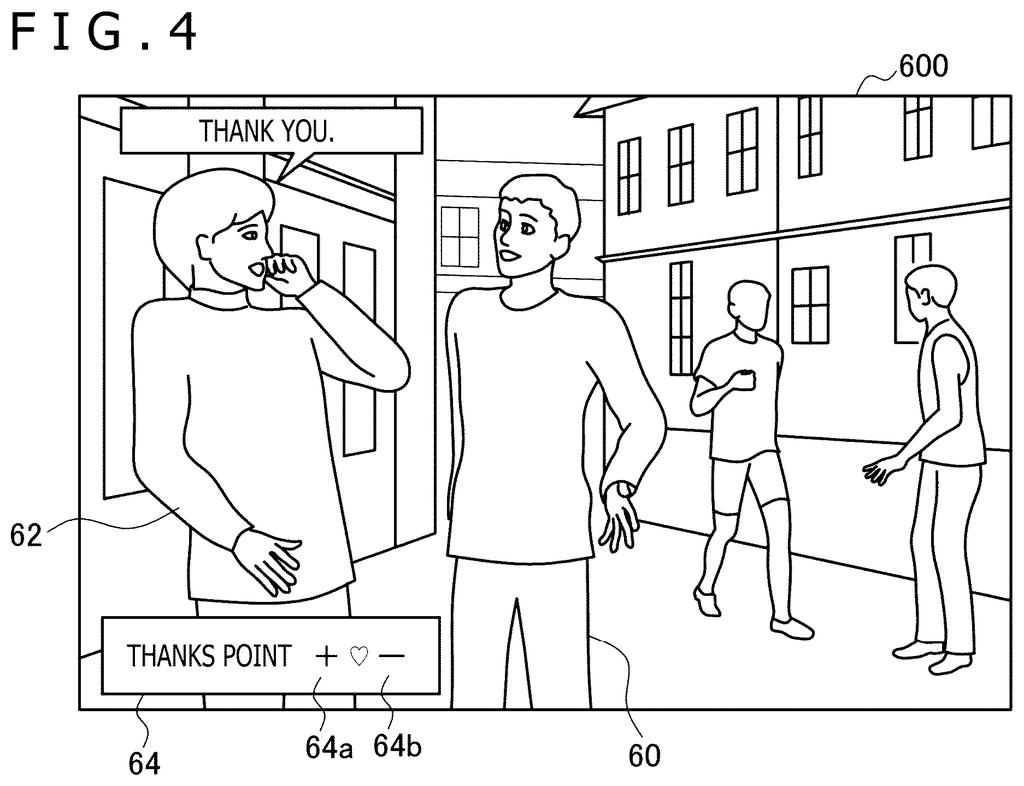
What Sony's cross-virtual-world scoring system actually does
A gamer earns a perfect reputation as a peaceful trader in one online world, then jumps to a combat arena where the only thing that counts is how many opponents they defeat. Right now, most platforms struggle to track both of those identities fairly at the same time.
Sony's patent describes a system that collects what you do in each virtual space separately, then scores you using the rules that actually apply to that space. Your trading reputation uses trading criteria; your combat record uses combat criteria. The two scores are calculated independently, so excelling in one world doesn't inflate or deflate your standing in another.
Sony is essentially building a framework where your digital identity can carry multiple, contextually appropriate reputations, each grounded in what actually matters inside that particular virtual environment.
… the evaluation criterion associated with the first virtual space is different from the evaluation criterion associated with the second virtual space.
Translation: The system uses unique scoring rules for each game world to judge how a player behaves.
How separate evaluation criteria get applied per virtual space
The patent describes an information processing device with two main components working together.
First, an acquiring section collects what it calls "evaluation information" from multiple virtual spaces, meaning logs or records of what a user has actually done in each environment. Think of it as a ledger: one page for world A, a separate page for world B.
Second, an evaluation value calculating section takes that raw activity data and runs it through the scoring criteria that belong to the specific virtual space where the activity happened. The key technical point is that the evaluation criterion for the first virtual space is explicitly defined as different from the criterion for the second virtual space. The system doesn't average them together or apply one master rubric.
The result is two distinct evaluation scores, one per space:
- A first evaluation value derived from the first space's own standards
- A second evaluation value derived from the second space's own standards
This architecture allows a platform to maintain per-world reputation or trust scores that reflect the local context of each environment, rather than collapsing everything into a single cross-world number.
Evaluation of actions of a user in multiple virtual spaces is made possible. Provided is an information processing device including an acquiring section that acquires first evaluation information regarding an action of a user in a first virtual space …
Translation: Sony is building a device that tracks and grades how you play across different virtual environments.
What this means for Sony's metaverse and PlayStation ambitions
Sony has been building out infrastructure for persistent virtual worlds through PlayStation and its broader metaverse-adjacent investments. A scoring system that respects the internal logic of each virtual space is the kind of foundational plumbing that would need to exist before any multi-world identity or reputation economy could work. If your behavior in one world could unfairly taint your standing in another, users lose trust in the whole system.
The practical stakes here are real: reputation and trust scores in virtual economies already influence who can trade, who gets access to exclusive content, and who gets moderated or banned. Getting the scoring framework right across multiple spaces is a genuine governance problem, and new Big Tech patents in the virtual-world identity space signal how seriously Sony and its peers are treating the architecture of these economies before they scale.
The problem this patent addresses, how to fairly evaluate user behavior across virtual spaces that have completely different rules and values, is real and underappreciated. As multi-world platforms grow, a single reputation score becomes meaningless or actively misleading. Sony's approach of anchoring each score to its own local criteria is logically sound and matches the actual shape of the problem. The patent is architecturally thin, covering the concept more than any specific technical innovation, which puts its long-term defensibility in question, but as a statement of intent about how Sony wants to structure virtual identity, it is a clear and sensible stake in the ground.
There are more where this came from
We read every patent application Big Tech publishes and send you the ones worth knowing. Plain English, free, every week.
The drawings
15 drawing sheets from US 2026/0236088 A1 · click any drawing to enlarge


Want this weekly breakdown for a company we don't cover? Patentlyze Pro →
Be the first to weigh in