
New Disney Patent Warns Guests About Rides They May Hate
Disney has filed a patent for a system that checks what you love and hate, then warns you in real time if a ride or attraction is about to deliver something you'd rather skip.
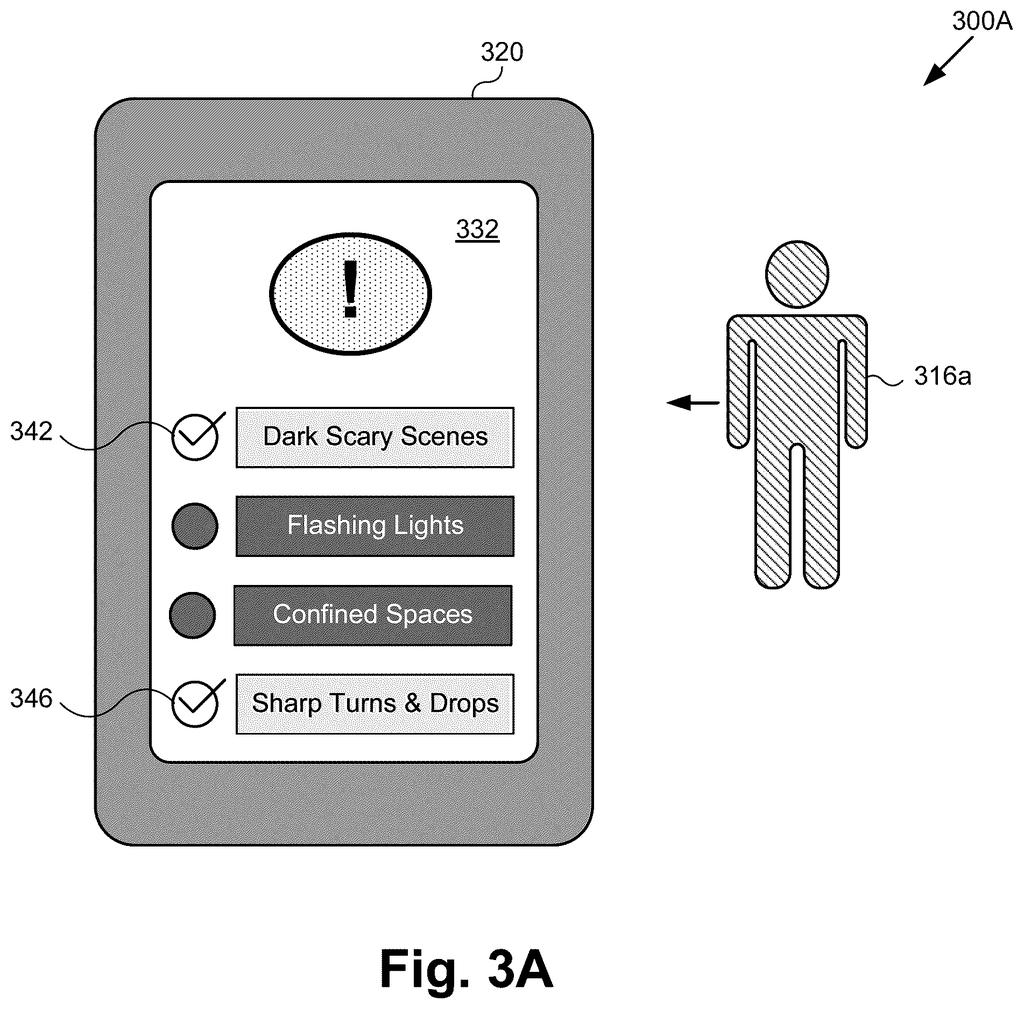
How Disney's like-and-dislike alert system works for guests
Ever walked into a theme park attraction not knowing it had a surprise scare, a strobe light, or a spinning motion that makes you queasy? Disney's patent describes a system designed to stop that from happening.
The idea is that your personal preferences and aversions (things like loud sounds, darkness, intense motion, or particular themes) would be stored in a profile. When you approach or consider an attraction, the system checks the ride's characteristics against your profile and sends you an alert if something clashes.
The result is that you'd get a heads-up before committing to a long queue, rather than finding out the hard way at the end of it. The system works in the other direction too, flagging rides that match things you love, so it can act as a personal recommendation engine as much as a warning system.
… compare, using the data and the user preferences database, the characteristic of the user experience with the at least one of the aversion of the first user or the preference of the first user; …
Translation: The system checks ride details against what you like or dislike.
How the system matches ride data to each guest's profile
The patent describes a computing platform made up of a processor, a transceiver (a component that can send and receive wireless signals), and a memory that stores two things: the software that runs the system, and a user preferences database.
That database holds each user's recorded likes and dislikes. Those could be explicit (things you told Disney you dislike) or potentially learned over time. When an attraction broadcasts data describing its characteristics, the processor compares those characteristics against your personal profile.
- If a characteristic matches an aversion you have, the system triggers an alert to warn you away.
- If a characteristic matches a preference, the system alerts you that this ride is worth your time.
- The transceiver handles the wireless communication between the attraction hardware and the guest-side device, most likely a phone or a wearable like a MagicBand.
The patent doesn't specify exactly what counts as a "characteristic," but the framing is broad enough to cover things like motion intensity, darkness, loud audio, scary themes, or physical accessibility factors. The system is designed to work in real time as guests move through a park.
… receive, from an attraction providing a user experience, data describing a characteristic of the user experience …
Translation: The ride sends information about its features to the system.
What this means for theme park visitors with specific needs
For park guests with sensory sensitivities, phobias, motion sickness, or health conditions that rule out certain ride types, this kind of heads-up has real value. Right now, learning whether a ride has strobes, sudden drops, or intense audio often means reading fine print on a sign at the entrance, after you've already waited. A personalized alert delivered before you join the line changes that dynamic in a practical way.
Disney's patent is also notable because it cuts both ways: it's a filter and a finder. For families trying to coordinate a day across members with very different tolerances, a system that can quickly surface which rides work for everyone is a meaningful convenience. The latest Big Tech patents in the theme park and location-aware tech space show a clear push toward hyper-personalized physical experiences, and this filing fits squarely into that trend.
Disney's 28th filing in our Disney coverage since June follows work like auto dialogue boosting and scene-by-scene live show tracking.
The concrete payoff here is easy to picture: a guest with a photosensitive epilepsy condition, a child with sensory processing differences, or someone recovering from an injury gets a quiet nudge before wasting an hour in a line. That's a meaningful quality-of-life improvement for a real subset of park visitors, not a novelty feature. The filing reads like infrastructure for something Disney's physical app ecosystem (MagicBand, the My Disney Experience app) is already partway set up to deliver.
There are more where this came from
We read every patent application Big Tech publishes and send you the ones worth knowing. Plain English, free, every week.
The drawings
6 drawing sheets from US 2026/0245439 A1 · click any drawing to enlarge


Want this weekly breakdown for a company we don't cover? Patentlyze Pro →
Be the first to weigh in