
Disney Patents an AI That Tracks Live Shows Scene by Scene to Trigger Effects
Disney is building an AI that reads a show's script, watches the performance as it unfolds, and automatically triggers lights, sound, or special effects the moment it figures out which scene is happening. No human operator needed.
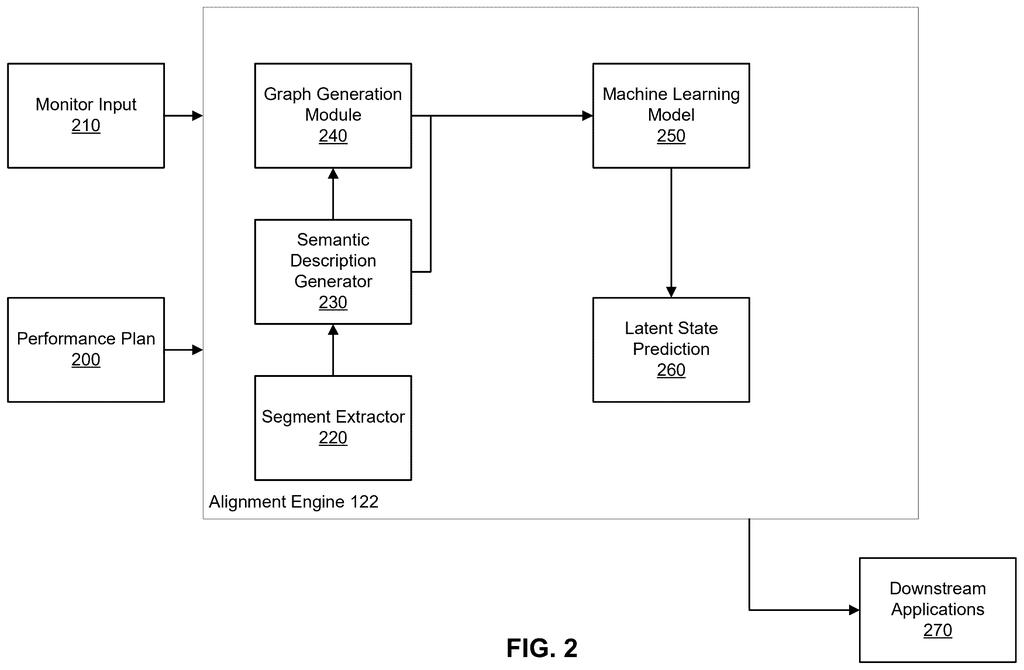
How Disney's script-tracking AI watches a live show
Imagine a Broadway-style show where every lighting cue, sound effect, and pyrotechnic burst has to be fired by a human technician reading along with the script. One missed line or an actor who improvises, and the timing is off. Disney's patent describes a way to take that job away from the manual trigger-puller and hand it to an AI.
The system reads the show's script and production documents ahead of time, then watches (and listens to) the live performance as it happens. By comparing what it's observing to what it knows should be happening at each point in the show, it figures out where the performers are in the story and fires off the right automated actions at the right moment.
For a company that runs theme park attractions, Broadway productions under its brands, and elaborately choreographed live events, that kind of reliable automatic timing is a big deal. If the AI always knows what scene is playing, the whole show can stay in sync even when performers run long or cut a line.
… identifying, via a first machine learning model and based on the one or more documents, one or more segments included in the scripted performance; predicting, via a second machine learning model, a current segment of the one or more segments based at least on one or more observation signals associated with the execution of the scripted performance …
Translation: One AI reads the script to break the show into parts while another watches the live action to track where it is.
How two ML models split the reading and watching jobs
The patent describes a two-model architecture working in sequence.
Model one handles the reading phase. It takes in the show's production documents, such as the script, cue sheets, and staging notes, and breaks the performance down into labeled segments (think of these as named scenes or beats). This happens before the curtain goes up.
Model two handles the watching phase. During the live performance, it takes in observation signals, which can include audio from microphones, video from cameras, sensor data from props, or any other real-time input the production wires up. It compares those signals against the segment map the first model built and predicts which segment the performers are currently in.
Once the system locks onto a segment prediction, it automatically triggers pre-programmed actions tied to that segment. Those actions could be:
- Lighting changes
- Sound and music cues
- Animatronic or robotic movements
- Special effects like fog, water, or pyrotechnics
The multimodal part (using audio, video, and sensors together rather than just one signal) is what makes the prediction reliable even when a performer goes off-script or the timing shifts.
… initiating the execution of one or more automated actions based on the predicted current segment.
Translation: The system triggers stage effects automatically as soon as it figures out what part of the show is happening.
What this means for Disney's parks and live entertainment
Disney runs theme park attractions like Fantasmic and Galaxy's Edge shows that mix live performers with elaborate automated systems. Today those require skilled technical operators following scripts in real time. An AI that can read the room and fire cues automatically would reduce the human coordination burden and make shows more consistent across thousands of daily performances.
This also has implications beyond parks. Disney stages live entertainment at sporting events, awards shows, and theatrical productions. Any scripted performance with automated elements is a candidate for this system. If it works as described, you as an audience member probably wouldn't notice anything different, which is exactly the point.
This is a genuinely practical patent, not a moonshot. Disney has a real operational problem: keeping complex automated shows in sync with live humans at scale, thousands of times a year. Using AI to close that loop is a logical solution, and the multimodal approach (not just listening, but watching and sensing) is the right way to handle real-world performances where nothing ever goes exactly to plan.
There are more where this came from
We read every patent application Big Tech publishes and send you the ones worth knowing. Plain English, free, every week.
The drawings
3 drawing sheets from US 2026/0228048 A1 · click any drawing to enlarge


Want this weekly breakdown for a company we don't cover? Patentlyze Pro →
Be the first to weigh in