
Apple Patents a Way to Fix AR Colors by Borrowing Cameras from Nearby Devices
Apple's AR headset could one day borrow the cameras on your nearby iPhone or iPad to make sure digital objects look like they belong in the real room around you.
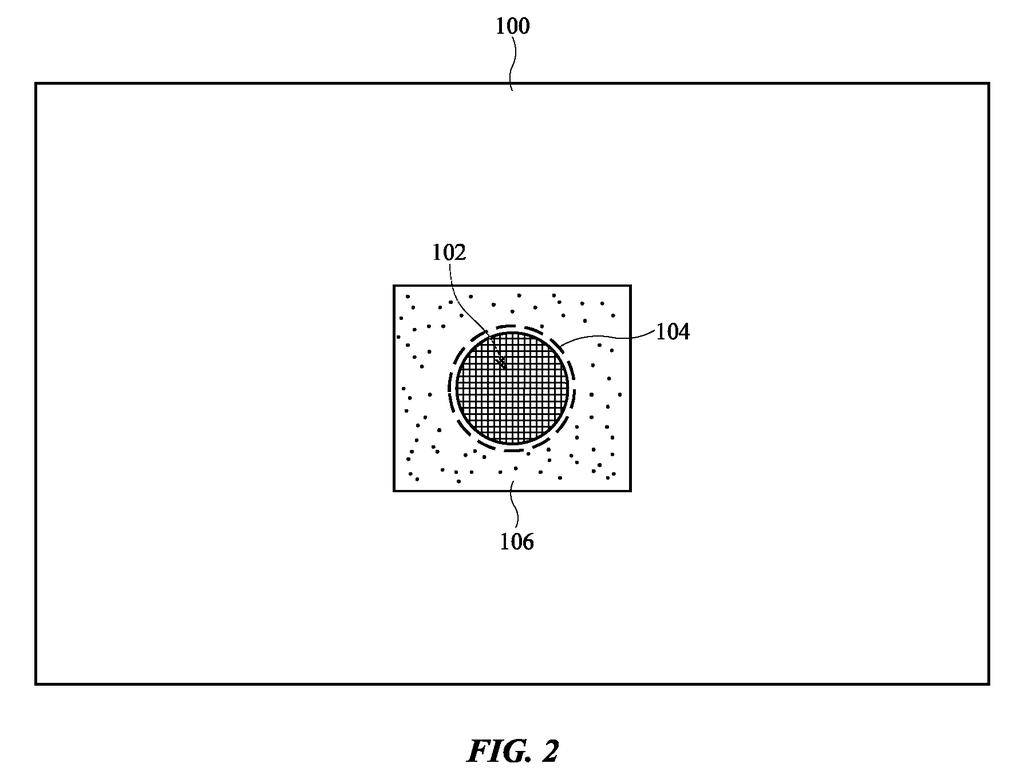
How Apple's headset borrows your iPhone's camera for AR lighting
You're wearing an AR headset and you turn your head to look at something across the room. The virtual furniture overlaid on your floor suddenly looks weirdly lit, like it was rendered in a different room entirely. That mismatch is a common complaint with AR headsets today.
Apple's patent describes a fix: the headset tracks which direction your head is pointing, then asks nearby devices like an iPhone or iPad to snap a photo of that part of the room. The headset uses those photos to understand the real lighting conditions in your environment and adjusts the colors of the digital objects to match. Different devices cover different directions, so no single camera has to do all the work.
The end result, if it works, is that virtual objects should blend into your actual surroundings more convincingly no matter where you look. The system also uses the incoming photos to help figure out where in the room the headset is located.
… directing a first device external to the head-mounted device to capture a first image; and in response to determining that the predicted pose of the head-mounted device is facing a second direction different than the first direction, directing a second device external to the head-mounted device to capture a second image.
Translation: The headset tells nearby gadgets to take pictures depending on which way you are looking.
How the headset coordinates cameras based on predicted head direction
The patent describes a method where a head-mounted device (a VR or AR headset) predicts its own orientation using onboard sensors, such as accelerometers and gyroscopes. Based on that predicted pose (meaning which direction the wearer's head is facing), it sends a command to a specific external device to take a photo.
If you're facing left, it might trigger an iPhone on the left side of the room. If you turn right, it triggers a different device on the right. The headset collects those images wirelessly and runs color correction on its AR content, which means it adjusts the hue, brightness, and tone of the digital overlays so they match the real-world lighting the camera actually captured.
The patent also mentions using the received images for localization, meaning the headset can cross-reference what those external cameras see to figure out its own position in the room. This is useful because headsets sometimes drift in their sense of where they are.
Key components the patent describes:
- Sensor-based pose prediction to anticipate head direction before capturing
- Wireless coordination of multiple external devices (phones, tablets, or other cameras)
- Per-direction image capture to cover the full room as the user moves
- Color correction of AR content applied per-frame based on the latest captured image
… performing color correction of augmented reality (AR) content based on the first or second image. The color corrected AR content can be presented on a see-through display of the head-mounted device.
Translation: Those external photos are used to fix the colors on your headset screen so digital objects look right.
What this means for Apple Vision Pro's color accuracy
For AR to feel convincing, virtual objects need to look like they're bathed in the same light as everything else in the room. Today's headsets rely on cameras built into the device itself, which can only see what's directly in front of you. When you turn your head quickly or the lighting changes, the correction lags or simply misses what's behind you. Using distributed cameras across a room solves that coverage problem in a way that doesn't require strapping more hardware to your face.
The patent sits squarely in Apple's ongoing investment in spatial computing and AR displays, and it fits alongside other AR-focused entries in this week's Big Tech patents. The approach does require that you already own compatible Apple devices and that they're positioned around the room, which is a meaningful prerequisite. But for someone with a Vision Pro and a few iPhones already in their home, the infrastructure needed is already there.
Apple's 32nd filing we've tracked since May in our AR glasses watch builds on the color-fix camera patent and the 3D room video wrap.
The shortest path from this patent to a shipping feature runs through an assumption that most users already have Apple devices scattered around the room, which is actually a reasonable assumption for the Vision Pro's likely buyer. The underlying color-correction algorithm and the wireless coordination are software and firmware problems, not new-hardware problems, which means the path to a real product update is shorter than it looks on paper. The biggest open question is latency: whether a photo request, capture, wireless transfer, and per-frame color adjustment can all happen fast enough that you never notice the seams.
There are more where this came from
We read every patent application Big Tech publishes and send you the ones worth knowing. Plain English, free, every week.
The drawings
10 drawing sheets from US 2026/0245267 A1 · click any drawing to enlarge


Want this weekly breakdown for a company we don't cover? Patentlyze Pro →
Be the first to weigh in