
Samsung Patents a Display Circuit That Feeds Each Color Pixel a Different Voltage
Most phone screens treat all their pixels equally at reset time, sending the same baseline voltage to red, green, and blue dots alike. Samsung's new patent argues that's a mistake, and proposes wiring each color to its own voltage line instead.
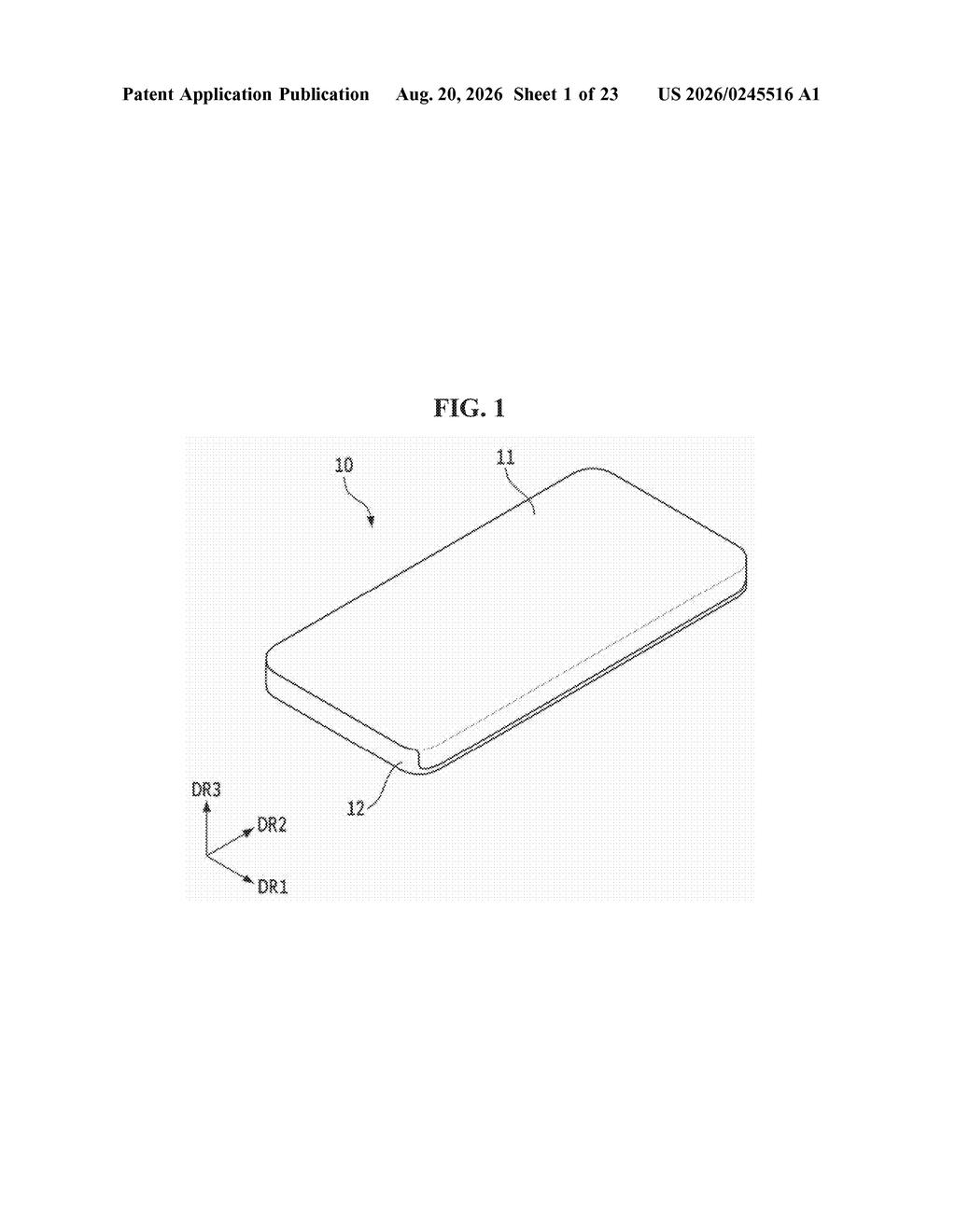
What Samsung's split-voltage pixel system actually does
Every time your phone screen lights up, thousands of tiny circuits reset themselves before drawing the next image. They do this by receiving a small electrical nudge called an initialization voltage, which clears leftover charge so each pixel starts fresh. Until now, that nudge has typically been the same for every color.
Samsung's patent describes a display where the red, green, and blue pixel drivers each get their own initialization voltage, tuned specifically for how that color behaves electrically. Because different color light-emitting elements don't behave identically, giving them the same reset signal can leave some pixels slightly off, which shows up as color inaccuracy or wasted energy.
By splitting the voltage supply into separate lines for each color group, Samsung's design lets the screen reset each color more precisely. The result, in theory, is a display that holds truer colors and potentially sips a little less power in the process.
… the initialization voltage line comprises: a first initialization voltage line transmitting a first initialization voltage to the third light emitting pixel drivers; and a second initialization voltage line transmitting a second initialization voltage having a different voltage level from the first initialization voltage to the second light emitting pixel drivers.
Translation: The screen uses separate power lines to send different voltage levels to the pixels responsible for different colors.
How Samsung routes separate voltages to each color's driver
The patent describes a display built in layers: a substrate at the bottom, a circuit layer (the electronics that drive the pixels) in the middle, and an element layer (the actual light-emitting components) on top. The emission areas in that top layer are divided into three groups corresponding to three different wavelength bands, meaning red, green, and blue light.
Each color group has its own set of pixel drivers, small circuits that tell each light-emitting element how bright to glow. Before every display cycle, those drivers need to be reset to a known electrical state. That reset is handled by an initialization voltage, a carefully controlled electrical signal sent down a dedicated wire called an initialization voltage line.
The key invention here is splitting that single initialization line into two:
- A first initialization voltage line carries one voltage level to the third color's pixel drivers (the third emission areas).
- A second initialization voltage line carries a different voltage level to the second color's pixel drivers.
The first color's drivers are handled separately as well, giving the circuit designer independent control over how each color group is reset. Because red, green, and blue organic or inorganic emitters have different electrical characteristics, matching the reset voltage to each color's needs reduces residual charge errors, which translates to more accurate color reproduction and potentially lower power consumption.
A display device comprises a substrate having a display area including a plurality of emission areas arranged therein. A circuit layer is located on the substrate. An element layer is located on the circuit layer. The element layer comprises light emitting elements arranged in each of the plurality of emission areas.
Translation: The display is built in layers, with a base substrate supporting the circuits and the light-emitting parts of the screen.
What this means for OLED color accuracy and power draw
For anyone who cares about display quality, the practical payoff is color accuracy that holds up across different brightness levels and screen ages. OLED panels degrade at different rates for each color, and a one-size-fits-all initialization voltage becomes less and less accurate over time. A design that lets engineers tune each color's reset independently gives the display more room to compensate as it ages, which means colors that stay truer for longer.
On the power side, over-driving a pixel reset wastes energy, and under-driving it causes errors that the system then has to correct elsewhere. Getting the reset voltage right the first time is a small efficiency gain per pixel, but multiplied across millions of pixels refreshing 60 or 120 times per second, it adds up. Samsung Display's focus on per-color initialization is part of the same broad push toward more precise pixel control that shows up across interesting tech patents in the display and semiconductor space.
Samsung's 80th filing we've tracked since May in our Samsung display technology watchlist follows work on heat-based dimming and a gap-between-screens design.
The benefit is real even if you never see it working. A screen that holds its true colors longer, and uses less power doing it, will look better after a year and a half than screens do today. That slow color drift you might notice on an older phone? This targets exactly that.
Samsung is essentially inventing a dimmer switch for something that previously had only an on and off. That finer control matters most to people paying top dollar for a phone or tablet, because those are the buyers who actually notice when their screen starts looking slightly off.
There are more where this came from
We read every patent application Big Tech publishes and send you the ones worth knowing. Plain English, free, every week.
The drawings
23 drawing sheets from US 2026/0245516 A1 · click any drawing to enlarge


Want this weekly breakdown for a company we don't cover? Patentlyze Pro →
Be the first to weigh in