
Samsung Patents a Display That Hides Personal Info in 3D Depth
Samsung is working on a screen that automatically spots sensitive information on your phone and warps it into a 3D effect that looks scrambled to anyone not looking straight at the display.
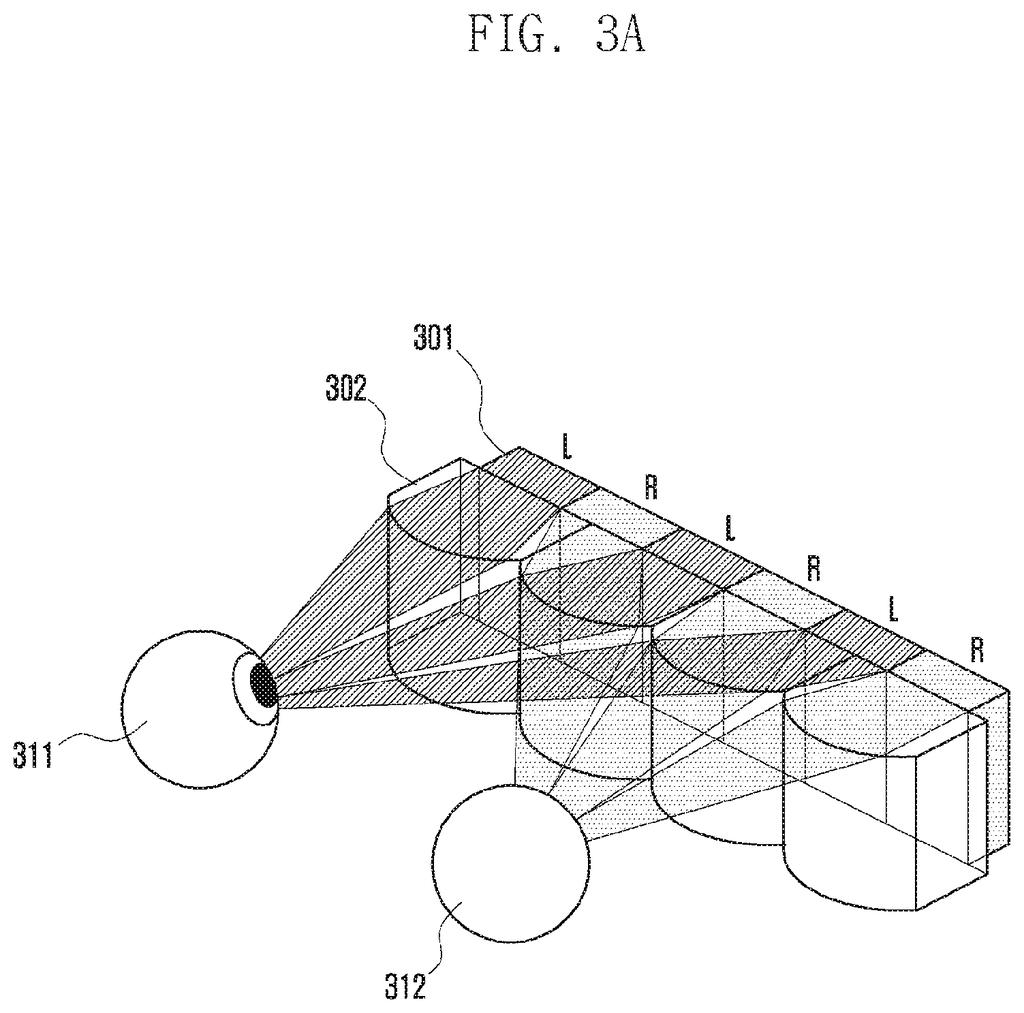
How Samsung's parallax privacy screen actually works
A stranger on a crowded train glances over at your phone while you check your bank balance. You probably did not notice. That small, everyday exposure is exactly what this Samsung patent targets.
The idea is that your phone's screen would automatically recognize when something private is showing, a password, a credit card number, a medical detail, and turn just that part of the screen into a layered 3D effect. Your eyes, looking straight at the phone, see everything clearly. Anyone looking from the side sees a confusing blur, the same distortion you get when you look at a 3D movie poster from the wrong angle.
No stick-on privacy filter required, no setting to switch on manually. The phone spots the sensitive information and adjusts the screen by itself, using the front camera to track exactly where your eyes are.
identify whether a first screen corresponding to an application being executed on the display and having a two-dimensional image, includes personal information requiring security; …
Translation: The device scans what is currently on your screen to find sensitive data that needs protection.
How disparity data turns flat text into a 3D private zone
The patent describes an electronic device with a display capable of showing three-dimensional (3D) imagery by sending slightly different images to the left and right eyes, a technique called stereoscopic parallax (the same principle behind old-school 3D cinema glasses, but here applied selectively to small screen regions).
When an app is running, the device scans the current screen to identify personal information that requires security, think passwords, account numbers, addresses, or health data. Once detected, the system generates what the patent calls disparity information: essentially a calculation of how differently each eye should see that portion of the screen, and by how much, based on the properties of the private content (its type, position, or sensitivity level).
Using that disparity data, the display then redraws the sensitive region as a second screen with built-in parallax between the left-eye view and the right-eye view. A person looking at the phone straight on, at the intended viewing angle, perceives the content normally. Anyone off to the side sees the two offset images unresolved, meaning the text or numbers appear scrambled.
The camera plays a supporting role, presumably tracking the viewer's eye position to calibrate the effect in real time. The rest of the screen, non-sensitive content, continues displaying in ordinary 2D.
… control the display so that at least a portion of the first screen is displayed as a second screen exhibiting parallax to a left eye and right eye, based on the disparity information.
Translation: It shifts the sensitive part into a 3D effect so only the person directly in front can read it.
What this means for shoulder-surfing and phone privacy
Shoulder-surfing is a real and mundane threat. Airports, coffee shops, public transit: your screen is visible to more people than you think, and no amount of habit-building fully solves it. A system that automatically detects sensitive content and applies a viewing-angle filter puts privacy on autopilot rather than relying on user behavior.
The hardware requirement is the big question mark here. This approach needs a display that can push different images to different viewing angles simultaneously, which is not a feature on standard flat-panel phones today. Samsung has experimented with glasses-free 3D displays in other product lines, and the plain-English patent summaries of display-privacy filings like this one point to a real engineering push toward making privacy an automatic screen-level feature rather than a software overlay.
Samsung's latest application is the 15th we've tracked since June in our on-device AI privacy watchlist, building on work like scrubbing data before the blockchain and local AI training without sharing data.
The software here could work on chips already inside your phone. The real obstacle is the screen: showing each eye a slightly different image requires special display hardware that no mainstream phone currently has.
Samsung's patent does not name a specific screen type, so the company keeps its options open but has not figured out the cost problem that hardware creates. Realistically, this feature will probably debut on an expensive or large-screen device, where a pricier display is easier to justify.
There are more where this came from
We read every patent application Big Tech publishes and send you the ones worth knowing. Plain English, free, every week.
The drawings
27 drawing sheets from US 2026/0246917 A1 · click any drawing to enlarge


Want this weekly breakdown for a company we don't cover? Patentlyze Pro →
Be the first to weigh in