
Sony's New Patent Lets Urgent Wi-Fi Traffic Cut the Line Mid-Transmission
Imagine your Wi-Fi router is halfway through downloading a large file when a VR headset suddenly needs a split-second response — Sony's patent describes a way to pause the download, serve the headset, and then pick up where it left off, all within the same pre-scheduled airtime slot.
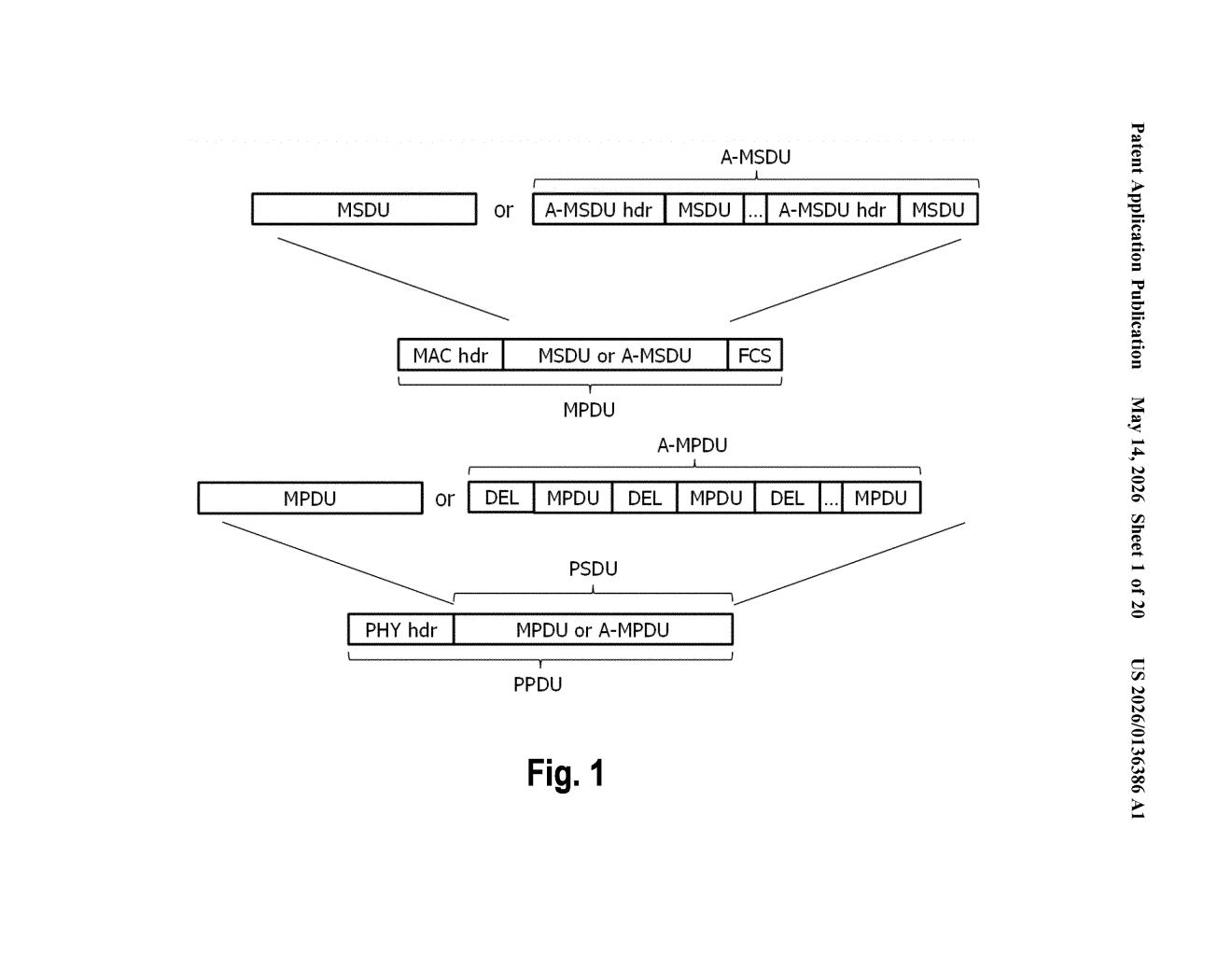
How Sony's TXOP truncation handles time-sensitive Wi-Fi traffic
In Wi-Fi, airtime is divided into chunks called transmit opportunities (TXOPs) — think of them like reserved time slots at a busy intersection. Once a device has its slot, it typically uses the whole thing, even if another device urgently needs to send a tiny, time-sensitive packet.
Sony's patent describes a system where a device in the middle of using its TXOP can receive a truncation notification — essentially a heads-up saying "stop what you're doing and hand off the remaining airtime to this other device." The original transfer pauses, the urgent device gets to transmit its small packet, and the slot isn't wasted.
This is especially relevant for devices like VR headsets, gaming controllers, or industrial sensors that need near-instant responses but don't need a lot of bandwidth. Instead of waiting for a fresh slot, they can jump into whatever airtime is left over.
How the truncation notification interrupts an active TXOP
The patent centers on a first communication device (likely an access point or a coordinating station) that manages data exchange with multiple other devices. During a TXOP (Transmit Opportunity — a reserved window of airtime granted by the Wi-Fi medium access protocol), the device is mid-exchange with a second device when it receives a truncation notification.
That notification signals two things: suspend the current exchange before the TXOP naturally ends, and use the remaining time to serve a third device with a preemptive data unit — a packet that has higher urgency, typically due to strict latency constraints.
The key steps the circuitry performs are:
- Carry out normal data exchange with device #2 during the current TXOP
- Receive a truncation notification (either before the TXOP starts or mid-TXOP)
- Suspend the ongoing exchange with device #2 early
- Use the leftover TXOP duration to send or receive a preemptive packet with device #3
This is closely related to TXOP sharing and multi-link operation features being standardized in Wi-Fi 7 (IEEE 802.11be), where coordinated access points and stations can redistribute airtime more dynamically to support mixed traffic — bulk data alongside real-time streams.
What this means for Wi-Fi 7 and real-time device traffic
Wi-Fi networks increasingly carry wildly mixed traffic: a 4K video stream, a cloud gaming session, a wireless sensor, and a voice call all sharing the same channel. Today's TXOP model is relatively rigid — whoever grabbed the slot uses it fully, which can add unacceptable latency for time-sensitive applications even when the channel isn't congested.
Sony's truncation approach gives Wi-Fi schedulers a surgical tool to reclaim airtime mid-flight without wasting it. For you, this could mean smoother AR/VR experiences, lower latency in wireless gaming peripherals, or more reliable industrial IoT sensors — all coexisting on the same Wi-Fi network without dedicated hardware channels.
This is solidly useful Wi-Fi infrastructure work, not flashy consumer tech. Sony is staking out IP in the low-latency scheduling space that matters a lot for Wi-Fi 7 deployments — particularly in enterprise, gaming, and XR scenarios. It's not exciting to read about, but the kind of patent that quietly ends up in chipsets and access point firmware.
There are more where this came from
We read every patent application Big Tech publishes and send you the ones worth knowing. Plain English, free, every week.
Want this weekly breakdown for a company we don't cover? Patentlyze Pro →