
Samsung Patent Tweaks Display Color and Brightness to Improve Fingerprint Recognition
Samsung is patenting a way to make your phone's screen actively help its fingerprint sensor by shifting the brightness and color of the exact spot where you press your finger. It's a small tweak with real consequences for how reliably your phone recognizes you.
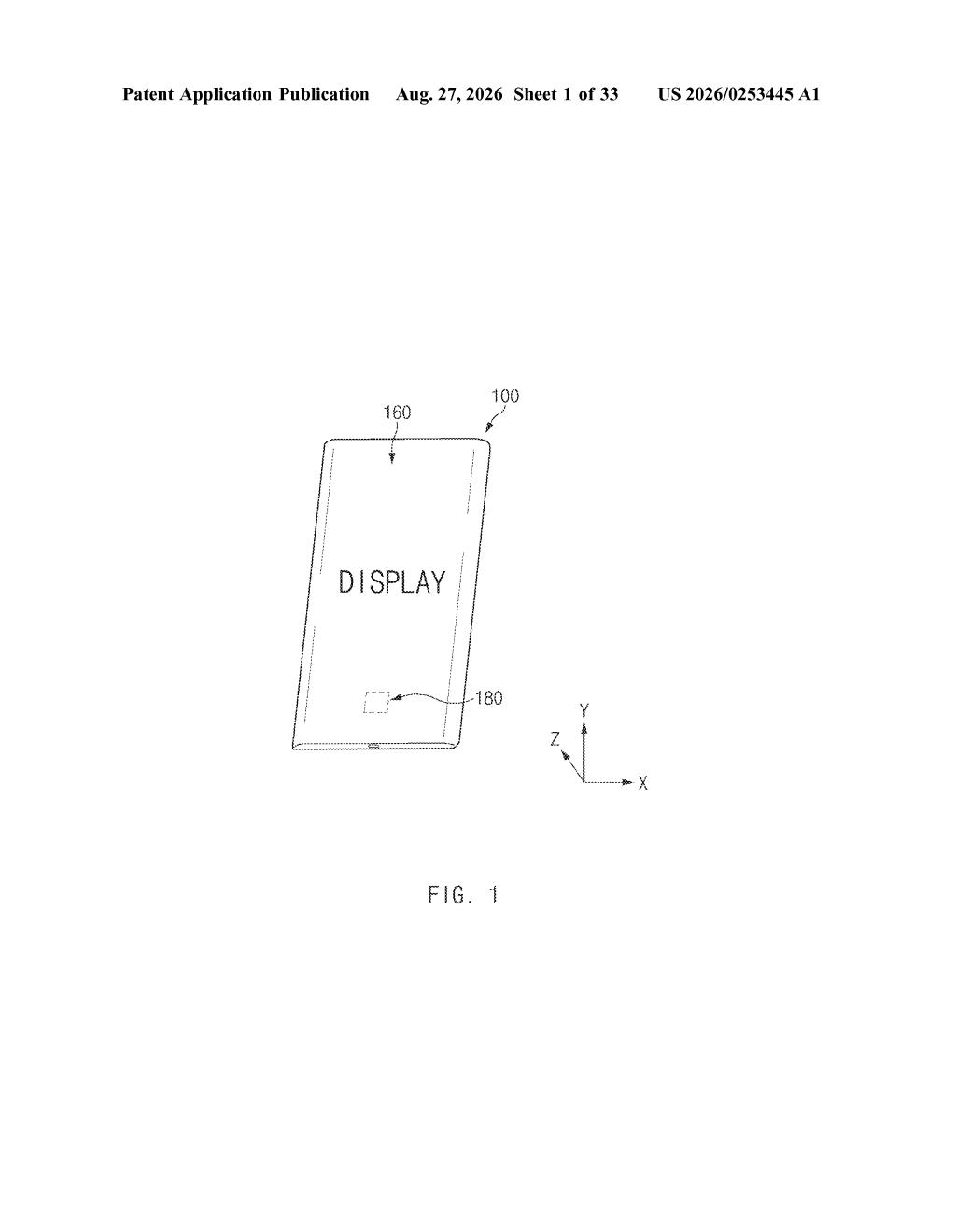
How Samsung's under-display fingerprint light trick works
Every time you press your finger to unlock your phone, the sensor under the screen has to read the tiny ridges of your fingerprint using light bounced back from your skin. That works fine in ideal conditions, but your phone has to manage a lot of variables: ambient light, skin tone, how hard you press, and how bright the screen is at that moment.
Samsung's patent describes a system where the phone doesn't just passively wait for your finger to arrive. When fingerprint recognition kicks in, the display actively changes the brightness or color of the small zone where you're supposed to press. The idea is to flood that spot with the right kind of light so the sensor below gets a cleaner, sharper image of your fingerprint to work with.
The sensor sits below a rear panel that has a carefully aligned opening cut into it, so the light from the screen can pass straight through to the sensor. Your finger, the screen, and the sensor are all working together in a tightly coordinated loop rather than the sensor just hoping for enough light to do its job.
… a processor configured to cause the display to change at least one of a luminance or color of the fingerprint recognition area when a function associated with fingerprint recognition is performed.
Translation: The phone automatically adjusts the screen brightness or color specifically where you place your finger to scan it.
How the display lights the sensor through a rear panel opening
The patent describes an electronic device with four key components working in concert:
- The display, which both shows content and doubles as the light source for fingerprint scanning.
- A rear panel with a protective layer and a precise opening cut directly below the fingerprint recognition zone on the screen.
- A fingerprint sensor positioned behind that opening, capturing image data from the light that reflects off the user's finger back through the screen.
- A processor that triggers a change in luminance (brightness) or color in the fingerprint zone the moment any fingerprint-related function is activated.
The optical fingerprint sensor (a sensor that reads fingerprints using light rather than electrical contact) depends entirely on the quality of illumination. If the screen is dim or showing a dark image at the moment you press, the reflected light signal is weak and the read is less reliable.
By giving the processor authority to dynamically adjust what the display is showing in that specific zone, Samsung is essentially letting the hardware boost its own signal-to-noise ratio (the clarity of the fingerprint image versus background interference) on demand.
The protective layer in the rear panel matters too. It's described as being directly below the display, with the opening precisely aligned, which suggests the design is optimized to minimize light scatter and keep the signal path clean between screen and sensor.
… a fingerprint sensor disposed below the rear panel and aligned with the opening, the fingerprint sensor being configured to acquire image information to be used for authentication of a fingerprint …
Translation: The sensor sits behind a hole in the phone's internal frame to capture a clear image of your fingerprint for security.
What this means for Galaxy phone biometrics
For everyday users, failed fingerprint reads are one of the most consistently frustrating phone experiences. You're unlocking your phone at a cafe, in dim light, with slightly cold hands, and your phone just doesn't recognize you. The underlying problem is often poor illumination at the sensor, not a flaw in how your fingerprint was enrolled. A system that actively optimizes the light in the scan zone before you even lift your finger could meaningfully cut that failure rate.
For Samsung, this is squarely in the territory of making Galaxy display technology pull double duty, using the same OLED panel that renders your photos and videos as precision lighting equipment for biometric security. The under-display fingerprint space has been competitive and technically tricky since it debuted, and filings like this one sit alongside a broader wave of interesting tech patents around biometric sensors embedded in display hardware.
That makes this Samsung's 90th filing we've tracked in Samsung display technology since May, adding to work like the tiled-screen seam fix and the anti-glare coating.
A fingerprint reader that fails when your hands are damp, the room is dark, or your skin doesn't reflect light cleanly isn't a minor inconvenience. It's a daily broken promise on a device people unlock dozens of times before lunch. The fix here is straightforward in concept: the screen brightens or shifts color in the small spot where your finger lands, giving the sensor underneath a reliable, consistent light source to work with. That directly addresses why reads fail, because the sensor depends entirely on reflected light, and unpredictable lighting conditions are the main reason it gets that reflection wrong.
Whether the solution is proportionate to the problem comes down to one unanswered question: will users notice the screen flickering or shifting color each time they unlock? A fix that trades one frustration for another only moves the problem, and this document doesn't settle that.
Get our take in your Top Stories
Liked this breakdown? Add Patentlyze as a preferred source on Google, and our plain-English take shows up more often in your Top Stories the next time Samsung patent news breaks.
There are more where this came from
We read every patent application Big Tech publishes and send you the ones worth knowing. Plain English, free, every week.
The drawings
33 drawing sheets from US 2026/0253445 A1 · click any drawing to enlarge


Want this weekly breakdown for a company we don't cover? Patentlyze Pro →
Be the first to weigh in