
Qualcomm Patents a System for Keeping Digital Network Models Current in Real Time
Wireless carriers build virtual copies of their networks to plan coverage and spot problems, but keeping those copies accurate requires a steady stream of real-world data. Qualcomm's new patent describes a structured way for cell towers to gather and relay that data automatically.
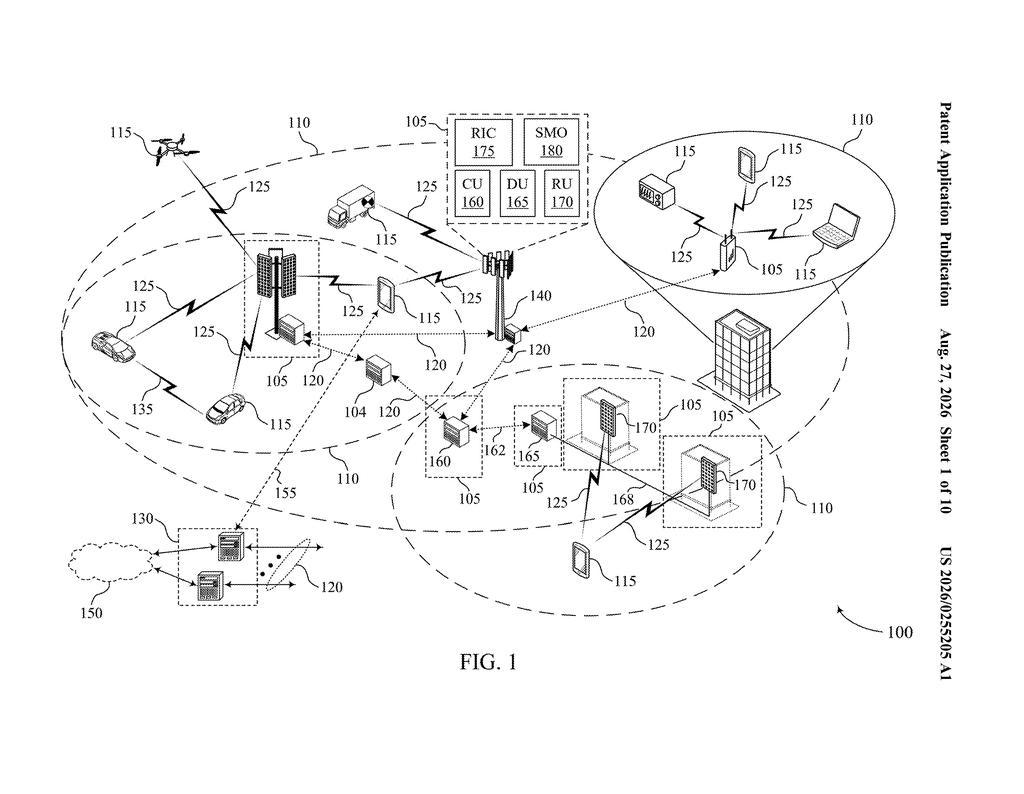
How Qualcomm wants cell towers to update their virtual clones
Right now, the virtual models that carriers use to manage cell networks often rely on slow, patchwork data collection, which means the model can drift out of step with what's actually happening on the ground. Qualcomm wants to fix that by giving the system a more organized way to stay current.
The idea is built around a digital twin, which is essentially a live virtual copy of a real physical network. When the server running that digital twin needs fresher information, it sends a request to a nearby cell tower. That tower then reaches out to other devices or nodes in the area, collects the data, and sends it back. No manual poking around required.
For you as a phone user, a more accurate digital twin means the carrier can make better decisions about where to push your connection, when to hand your call off to a different tower, and how to avoid congestion before it starts.
transmit, to a second communication node located within a geographic area associated with a digital twin, a request for network data; receive, from the second communication node, the network data in accordance with the request; and send, to a server associated with the digital twin, the network data received from the second communication node.
Translation: A node gathers local network data and forwards it to the digital twin server.
How the server, towers, and data requests connect
The patent describes a three-actor communication chain: a server that maintains the digital twin, a first communication node (typically a base station or similar network equipment), and one or more second communication nodes scattered across the geographic area the twin represents.
When the server determines it needs updated network data (think signal measurements, load statistics, or interference readings), it sends a request to the first communication node. That node acts as a local coordinator: it transmits the request onward to the relevant second nodes, waits for their responses, and then packages the collected data back to the server.
The claim is intentionally broad about what counts as "network data" and what the second nodes might be. They could be user devices, smaller access points, or other base stations. The point is the signaling structure, the handshake sequence that makes the whole collection-and-relay loop possible without requiring the server to contact every node individually.
- Server identifies a data gap in the digital twin
- Server requests data via the first communication node
- First node queries second nodes in the target area
- Second nodes respond with measurements or status reports
- First node aggregates and forwards the data to the server
The server may send a request to a first communication node, which may provide network coverage to the geographic area, to obtain network data from one or more other communication nodes.
Translation: The server asks a main tower to collect updates from other nearby devices.
What better network digital twins mean for your signal
Digital twins in telecom are not a new concept, but the bottleneck has always been keeping them fed with accurate, timely data. A twin that's even a few minutes stale can mislead the algorithms that make routing and coverage decisions, which shows up for users as dropped calls, slow handoffs between towers, or unexpected dead zones. Qualcomm's approach tries to make data collection a built-in, requestable function of the network itself rather than an afterthought.
For Qualcomm specifically, this sits inside a broader push to make the intelligence layer of 5G and future 6G networks more self-managing. The company supplies the chips and modem software that power a huge share of the world's cellular infrastructure, so a patent like this is less about a single feature and more about establishing the signaling vocabulary that other parts of the system would depend on. Coverage and network planning in wireless infrastructure is one of the more active areas among interesting tech patents right now, and Qualcomm's filing adds a concrete proposal to that ongoing conversation.
This is the 333rd Qualcomm filing in our Qualcomm coverage since May, adding to work like the 5G router antenna fix and the pulled-battery save.
Every large wireless network is, in a sense, a lie. The map a carrier uses to manage its towers and diagnose problems is built from past measurements, and the real world moves faster than the map updates. Customers feel this as dropped calls and mysterious slow spots in places that should work fine; engineers feel it as hours of troubleshooting against information that no longer matches the ground.
Qualcomm's patent addresses this directly by letting a central server request fresh measurements from towers and devices on demand, rather than waiting for data to trickle in on a fixed schedule. Whether that matters at scale depends on whether other equipment makers adopt the same signaling approach.
A shared standard lifts network quality everywhere. A proprietary one helps only a slice of the market, and the problem is far too widespread for a partial fix to be the right ambition.
Get our take in your Top Stories
Liked this breakdown? Add Patentlyze as a preferred source on Google, and our plain-English take shows up more often in your Top Stories the next time Qualcomm patent news breaks.
There are more where this came from
We read every patent application Big Tech publishes and send you the ones worth knowing. Plain English, free, every week.
The drawings
10 drawing sheets from US 2026/0255205 A1 · click any drawing to enlarge


Show the other 2 sheets


Want this weekly breakdown for a company we don't cover? Patentlyze Pro →
Be the first to weigh in