
Qualcomm Patents a Way to Build Digital Twins from Distributed Camera Networks
Qualcomm is patenting a method for stitching together live visual feeds from multiple network nodes into a real-time 3D model of a physical space — and tagging every object in it with material properties the network can actually use.
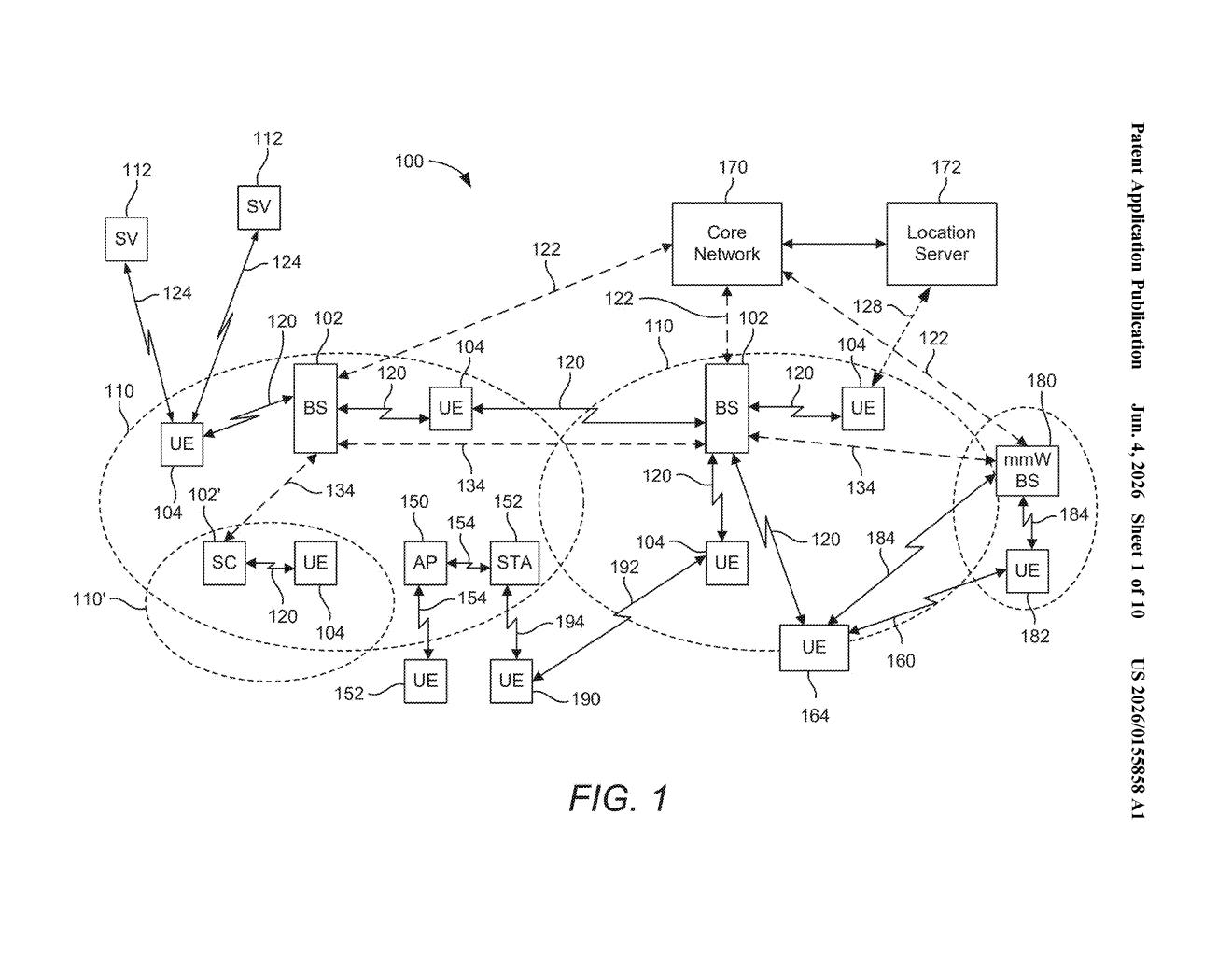
What Qualcomm's network-fed digital twin actually does
Imagine a busy warehouse or a city intersection where dozens of cameras and sensors are already mounted on network equipment — routers, base stations, access points. Instead of just passing traffic around, those nodes could also be feeding visual data to a central system that builds a live, virtual copy of the space. That's the core idea here.
Qualcomm's patent describes a digital twin entity — basically a central processor — that collects vision information from a spread-out group of these network nodes and uses it to construct a detailed 3D model of the physical environment. Each object in the model isn't just a shape: it gets assigned material properties, like whether a wall is concrete or glass, or whether a surface absorbs or reflects radio signals.
Why does that matter? Because knowing what things are made of helps the network make smarter decisions about where to route signals, predict dead zones, and adapt to changes in the environment in real time.
How the system assigns material properties to scanned objects
The patent centers on a digital twin entity — a networked processor or server — that ingests vision information (camera feeds, depth data, or similar sensor outputs) from a first set of network nodes, meaning distributed hardware already deployed in the environment.
From that visual data, the system constructs a digital twin model of the physical space. Crucially, the model doesn't just map geometry — it also assigns initial material values to each detected object. A material value here is essentially a label or parameter that describes what something is made of (glass, concrete, metal, wood), which in turn determines its material properties — things like radio-wave reflectivity, absorption coefficients, or signal propagation characteristics.
The claim is intentionally broad: the system can infer these material properties from the vision information itself, meaning it's using visual cues (color, texture, shape) to estimate physical behavior without needing dedicated material sensors.
- Vision data is collected from multiple distributed network nodes simultaneously
- A central digital twin entity builds the environmental model
- Objects in the model are tagged with inferred material values and properties
- Those material properties can then feed downstream network optimization or simulation tasks
What this means for smart infrastructure and wireless planning
For wireless network planning, knowing the material makeup of an environment is hugely valuable. Radio signals behave completely differently bouncing off a glass curtain wall versus a poured-concrete pillar. If a network can automatically build and update a material-aware 3D model of its own coverage area, it can do far better beam steering, interference prediction, and capacity planning — without a human ever walking the site with a spectrum analyzer.
This also plugs into a broader industry push around 6G and AI-native radio access networks, where the network is expected to sense and model its environment continuously. Qualcomm, as a major chip and modem supplier, is positioning itself to own the sensing-to-twin pipeline — not just the radio hardware.
This is a foundational infrastructure patent, not a flashy consumer feature. But the idea of network nodes doubling as environmental sensors — and feeding a continuously updated, material-aware digital twin — is genuinely central to where 6G and AI-driven network management are headed. Qualcomm filing this now is a clear signal that they're staking out IP in the sensing layer before the standards are even finalized.
There are more where this came from
We read every patent application Big Tech publishes and send you the ones worth knowing. Plain English, free, every week.
Want this weekly breakdown for a company we don't cover? Patentlyze Pro →