
Samsung Patents a Multi-Server Check for Smart Home Energy Services
Most smart home apps let you see your energy use, but figuring out which devices actually qualify for a utility's power-saving program is messier than it looks. Samsung's new patent tackles that gap with a tiered server lookup that cross-references three separate data sources before making a call.
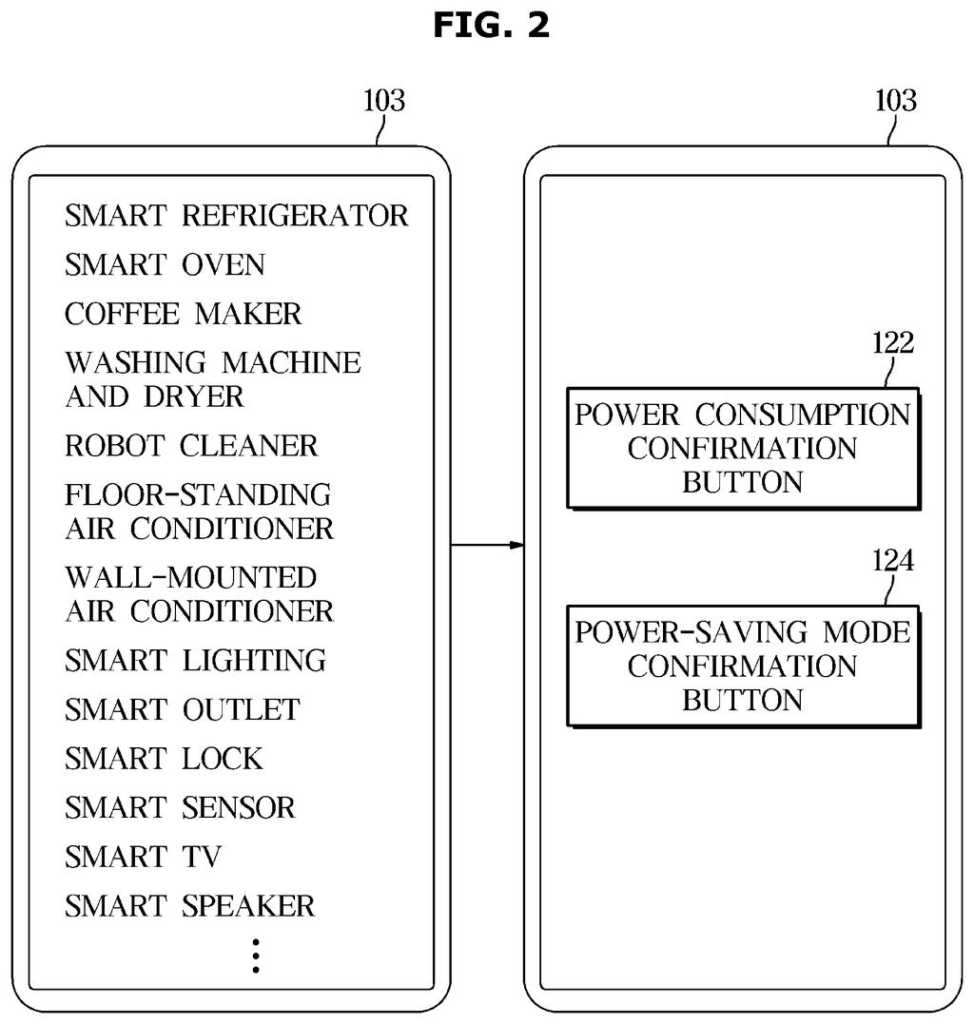
What Samsung's layered energy check actually does
A smart thermostat hums away in your living room while a utility company runs a program that rewards you for dimming it during peak hours. The problem is that your smart home hub often has no reliable way to know which of your connected gadgets are officially enrolled in, or even eligible for, that kind of energy program.
Samsung's patent describes a system that solves this by running a quick sequence of checks across multiple databases. When you pick a device in your app, the system first asks one server for a list of devices already known to offer energy services. If your device isn't on that list, it doesn't give up. It asks a second server for broader device data, then cross-references that against a third database maintained by an administrator, which acts as the authoritative record of which devices qualify.
The end result is that your app gets a more accurate answer about whether a device, say a smart washing machine or an air conditioner, is actually part of an energy-saving program, rather than just guessing based on incomplete information.
… request, to a first server, first information associated with a device providing the energy service, from among the plurality of devices connected via the smart home network …
Translation: It first asks a server for details about energy devices on the home network.
How the three-server lookup chain identifies devices
The patent describes an energy service apparatus that sits between your user terminal (a phone app, for instance) and the smart home network managing your connected devices.
When you select a device to check, the system's processor follows a structured fallback chain:
- It queries a first server for a pre-compiled list of devices already registered as providing energy services (power consumption data or power-saving mode support).
- If the selected device isn't on that list, it queries a second server for broader information about all devices on the smart home network.
- It then compares that data against a management file stored on a third server, which an administrator has populated with the definitive list of qualifying devices.
The three-server design means the system doesn't rely on a single point of knowledge. The first server is essentially a fast-lookup cache; the second server provides raw device data; and the third acts as a ground-truth registry that a human administrator controls. This layered approach is meant to handle cases where a device is new, recently added to a program, or simply not yet indexed by the primary server.
Energy service here refers specifically to a device's ability to report its power consumption or enter a power-saving mode on request, the kind of capability utilities need to run demand-response programs.
… based on the second information and information of a management file, identify whether the target device is the device providing the energy service …
Translation: It checks another server and an admin file to confirm the device's energy role.
What this means for smart home energy management
For consumers, this could mean a smarter home app that correctly identifies which devices qualify for utility rebates or demand-response credits, without you having to dig through device manuals or call your energy provider. That administrative management file is the key piece: it gives utilities or smart home platform operators a controlled way to keep the eligibility list current, separate from the device firmware or the app itself.
Samsung has a large stake in smart home infrastructure through its SmartThings platform, so a patent like this fits a pattern of building the back-end plumbing that makes energy programs practical at scale. Smart home energy management is one of the more active areas covered by new Big Tech patents, and Samsung's three-server approach suggests the company is thinking carefully about how to make eligibility checks reliable across a fragmented device ecosystem.
That makes this Samsung application the 1104th we've tracked in our Samsung coverage since May, adding to a run that includes the air conditioner filing and the dual-scroll page idea.
The three-server chain is the central design choice here, and it carries a real cost. Every time a user selects a device that isn't on the first server's list, the system has to make two additional network round-trips before it can answer. In a home with unreliable Wi-Fi or during a utility's peak-demand event, that latency could matter.
The administrator-controlled management file is an interesting trade-off too. Putting a human gatekeeper in charge of the eligibility list keeps the data authoritative, but it also means the list is only as current as the last time someone updated it. A device that joins a new energy program on a Tuesday might not show up as eligible until the admin updates the file on Thursday.
That said, the architecture is straightforward and the problem it solves is real. Smart home platforms routinely fail to surface which devices are actually enrolled in utility programs, and a structured fallback lookup is a practical fix. Whether the latency and admin-dependency are acceptable trade-offs depends entirely on how Samsung deploys this and how quickly the management file gets refreshed in practice.
Get our take in your Top Stories
Liked this breakdown? Add Patentlyze as a preferred source on Google, and our plain-English take shows up more often in your Top Stories the next time Samsung patent news breaks.
There are more where this came from
We read every patent application Big Tech publishes and send you the ones worth knowing. Plain English, free, every week.
The drawings
5 drawing sheets from US 2026/0252156 A1 · click any drawing to enlarge


Want this weekly breakdown for a company we don't cover? Patentlyze Pro →
Be the first to weigh in