
Samsung Patents a Two-Track System for Controlling Smart-Home Devices
Tapping a button on your phone's home screen widget versus opening the full smart-home app might seem like the same action — but Samsung wants those two gestures to follow completely different paths to your light bulb or thermostat.
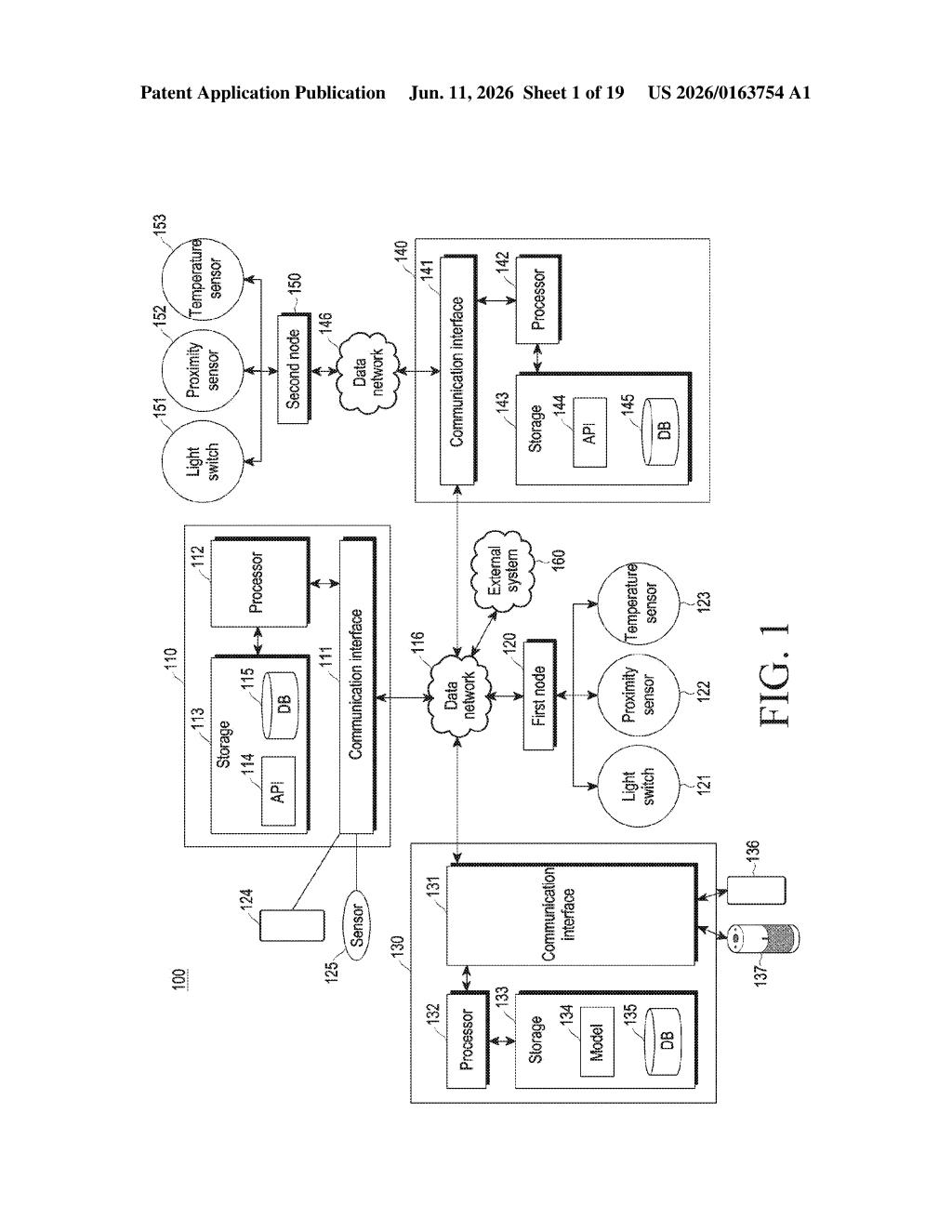
How Samsung routes your smart-home taps differently
Imagine you have a shortcut on your phone's home screen to turn off your living-room lamp. You tap it, but the lamp is already off — should your phone still bother sending that command all the way to Samsung's servers? According to this patent, the answer is: only if it makes sense given what the device is already doing.
Samsung's idea is to split smart-home commands into two lanes. When you use a home-screen widget (the quick shortcut), your phone checks whether your tap actually matches the device's current state before routing it through the cloud. When you open the full SmartThings app instead, the phone connects directly to the device over a local connection and sends a more precise command based on the device's freshest known status.
The practical upside: fewer pointless round-trips to Samsung's servers, and commands that are less likely to do the wrong thing because they're based on stale information.
How the widget path and app path diverge under the hood
The patent describes an electronic device — almost certainly a Samsung smartphone — that handles IoT control commands differently depending on which part of the UI you use.
Widget path (cloud route): When a command arrives through a home-screen widget, the device first checks whether that command is consistent with the IoT device's current reported state. If it is, the phone forwards the command to a Samsung server, which then relays it to the smart-home device. This state-check acts as a filter to avoid redundant or contradictory commands from hitting the cloud.
App path (direct route): When the same user opens the dedicated IoT client app (SmartThings), commands follow a different pipeline entirely. The app holds its own local copy of the device's recent state. Before sending anything, the phone converts the raw command into control information that reflects what the device was last doing, then transmits it over a device-to-device (D2D) connection — a direct local link, bypassing the cloud entirely.
Key components the patent calls out:
- State-awareness logic that compares incoming commands against cached device status
- A cloud relay path for widget-originated commands
- A local D2D path for app-originated commands, using state data stored by the client app
What this means for Samsung's SmartThings ecosystem
For Samsung, this is plumbing work inside the SmartThings ecosystem — the kind of reliability fix that doesn't make headlines but quietly determines whether users trust their smart-home setup. Reducing unnecessary cloud calls lowers latency and server load, and the state-check prevents the classic frustration of a widget toggling your device into the wrong state because the shortcut didn't know what was already happening.
The direct D2D path for the full app is the more interesting half: it means your phone can control a smart bulb or lock without an internet connection, as long as both devices are on the same local network. That's a meaningful reliability improvement, and it positions SmartThings to compete with platforms like Apple Home and Google Home that already lean on local processing.
This is unglamorous infrastructure work, but it's exactly the kind of detail that separates a smart-home platform people actually rely on from one they fiddle with and abandon. The two-lane architecture — cloud for widgets, direct local link for the full app — is a sensible design choice, and the state-awareness filter addresses a real pain point. Worth a look if you follow the Samsung ecosystem; easy to skip if you don't.
There are more where this came from
We read every patent application Big Tech publishes and send you the ones worth knowing. Plain English, free, every week.
Want this weekly breakdown for a company we don't cover? Patentlyze Pro →