
Samsung Patents a Point-and-Pair Method for Connecting Smart-Home Devices
Setting up a new smart-home gadget usually means digging through menus, entering codes, and hoping your phone grabs the right device. Samsung's new patent wants to cut all of that down to a single gesture: just point your phone at the thing you want to connect.
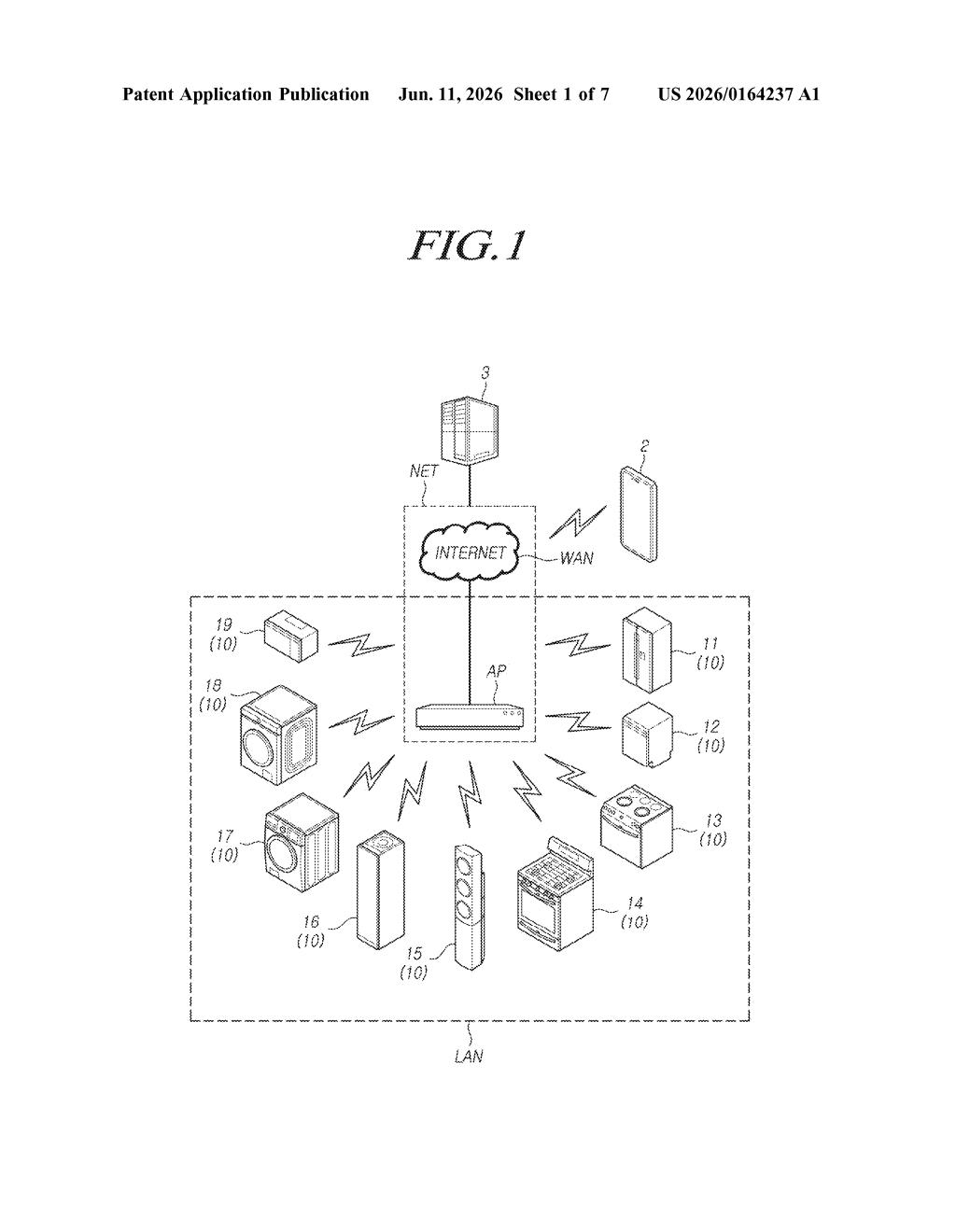
What Samsung's point-to-pair IoT setup actually does
Imagine you've just bought a new smart bulb and you need to link it to your phone. Your apartment already has six other connected devices, and the setup app keeps trying to pair with the wrong one. It's frustrating — and a surprisingly common problem as people fill their homes with more gadgets.
Samsung's patent describes a phone that solves this by using its camera and a short-range radio signal to confirm you're pointing directly at the device you actually want to pair. The phone first discovers nearby devices over Bluetooth, then — once you tap to begin pairing — checks whether your phone and the target gadget are genuinely facing each other. Only when that directional check passes does the real authentication handshake happen.
The result is a kind of "I mean that one" confirmation built right into the pairing flow. No picking a device from a crowded list, no scanning QR codes, no wondering which smart plug you just connected to.
How Bluetooth, UWB, and the camera work together
The system layers three different technologies to nail down which device you're trying to authenticate.
Step one — Bluetooth discovery: The phone uses Bluetooth to find nearby IoT devices and pulls a first batch of authentication credentials from whichever ones are in range. This is passive — the phone is just listening.
Step two — Directional confirmation via UWB and camera: When you trigger pairing, the processor checks two things simultaneously: the camera looks for the IoT device in the visual field, and Ultra-Wideband (UWB) radio — a short-range signal precise enough to measure distance and angle down to centimeter-level accuracy — confirms the physical direction from phone to device. Both checks have to agree before anything proceeds.
Step three — Secure handshake over UWB: Once the directional match is confirmed, the phone sends an authentication request over UWB and gets back a second set of credentials. The processor then compares those second credentials against what it received in step one over Bluetooth. If they match, the device is paired.
The two-channel credential comparison (Bluetooth-sourced credentials checked against UWB-sourced credentials) is the key security move here — it makes it much harder for a rogue nearby device to spoof its way into your network by intercepting only one channel.
What this means for smart-home setup headaches
Smart-home setup is one of those experiences that's genuinely worse than it should be, and the core problem is ambiguity — your phone can hear a dozen devices at once but has no way to know which one you're standing in front of. This patent attacks that problem with hardware Samsung already ships in Galaxy phones (Bluetooth, UWB, camera), which means the approach could plausibly land in a software update rather than requiring new gear.
For everyday users, the pitch is simpler onboarding with less room for error. For Samsung's broader ecosystem strategy, it's another reason to keep everything — phone, smart bulbs, appliances — inside the Galaxy/SmartThings tent, where the directional pairing would presumably work most smoothly.
This is a genuinely useful idea that addresses a real friction point, not a patent filed to stake out theoretical territory. The combination of UWB direction-finding with a Bluetooth credential pre-check is a clean solution, and Samsung already has the hardware in place. Whether it ships as a SmartThings feature or stays in the drawer is the real question.
There are more where this came from
We read every patent application Big Tech publishes and send you the ones worth knowing. Plain English, free, every week.
Want this weekly breakdown for a company we don't cover? Patentlyze Pro →