
New Waymo Patent Sends Robotaxis on Targeted Data Hunts
Instead of waiting for interesting driving situations to happen randomly, Waymo wants to actively send its vehicles to places where those situations are most likely to occur. It's less 'go anywhere' and more 'go somewhere useful.'
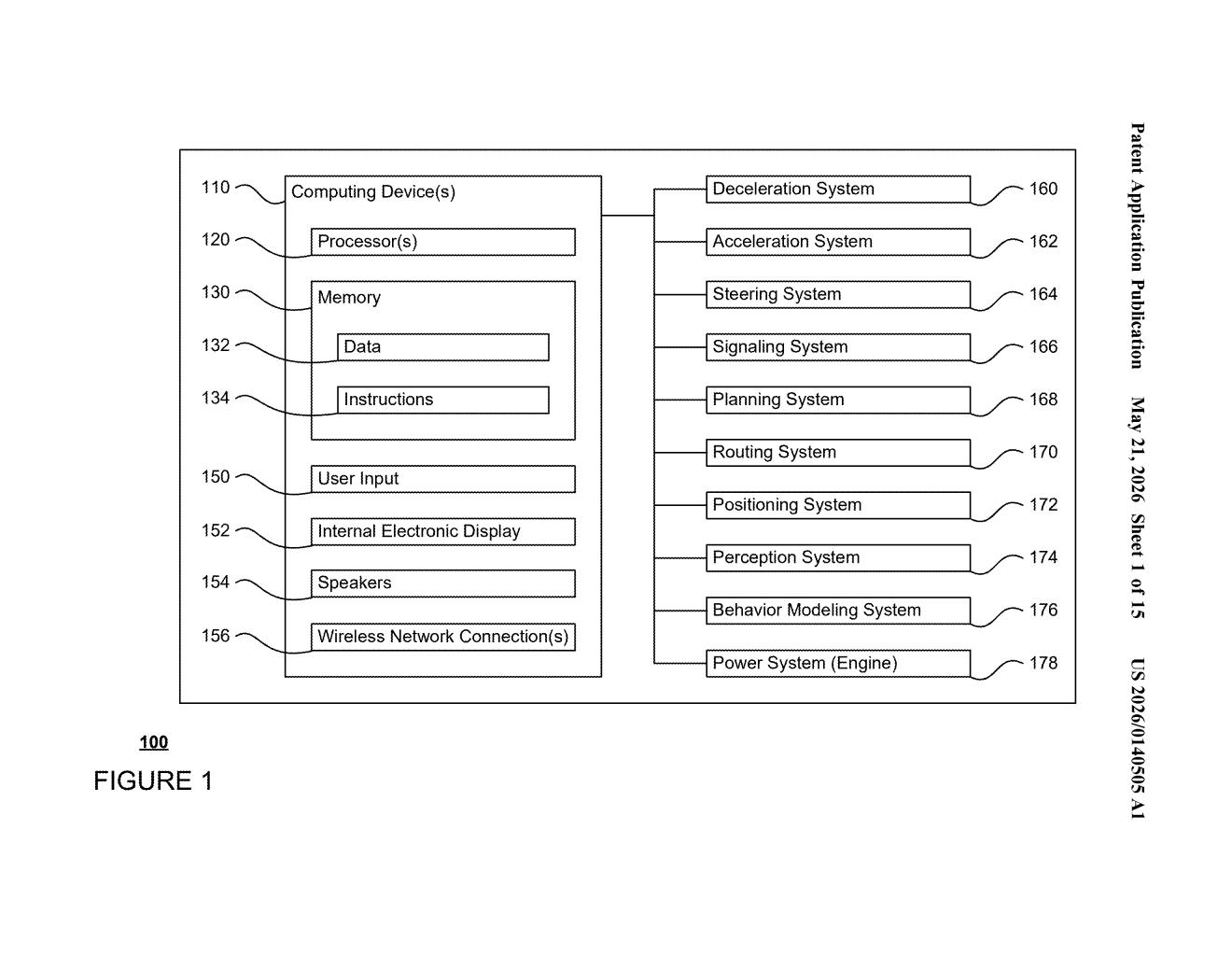
How Waymo sends its cars on data-collection missions
Imagine trying to teach a student driver by only taking them on empty parking lots — they'd never learn to handle a busy intersection. Waymo faces a similar problem: its autonomous vehicles log millions of miles, but not all miles are equally educational. Some road situations — like a cyclist cutting across traffic or a pedestrian stepping out from between parked cars — are rare, and the system needs lots of examples to learn them well.
This patent describes a system that plays matchmaker between a vehicle's current location and a pool of pre-approved destinations. Each potential destination gets a relevance score based on how likely the route is to produce the kind of driving interaction Waymo wants more of. The higher the score, the better the destination is for that day's data-collection goal.
Destinations are then grouped into buckets by score, and a sampling process picks one — with a deliberate bias toward higher-relevance options. The selected destination is sent to the vehicle, which drives there autonomously. The car doesn't just wander; it's on a mission.
How the relevance scoring and bucket sampling system works
At its core, this patent is a destination-routing optimization system built specifically for autonomous vehicle data collection rather than passenger trips.
Here's the flow:
- A server receives the vehicle's current location.
- It evaluates a pool of predetermined destinations — essentially a curated map of places worth driving to.
- For each destination, it plans a route and calculates a relevance score reflecting how well that route aligns with a targeted driving goal — for example, maximizing encounters with pedestrians in crosswalks, cyclists, or complex merge situations.
- Destinations are sorted into score-based buckets (think: high, medium, low relevance tiers).
- A sampling probability determines which bucket to draw from — and which specific destination within it gets chosen.
The sampling step is deliberate: it doesn't always pick the highest-scoring destination. A controlled randomness prevents the fleet from swarming the same three intersections every day, which would skew the dataset.
The selected destination is then pushed to the vehicle, which navigates there in full autonomous mode. The whole loop — score, bucket, sample, dispatch — can presumably repeat continuously as the vehicle moves through its day.
What this means for Waymo's edge-case training pipeline
Training a self-driving system requires data that covers the long tail of driving situations — the rare, weird, and dangerous moments that don't show up often enough by chance. Waymo's fleet is large, but random routing wastes capacity on unremarkable highway miles when the model really needs more T-intersections in the rain.
This system turns data collection into something closer to active learning (a technique where a model identifies which new examples would help it most, then goes and gets them). If Waymo can reliably steer cars toward high-value scenarios, it compresses the timeline for training robust behavior in edge cases — which is where most autonomous vehicle failures actually happen.
This is unsexy infrastructure work that probably matters more than most of Waymo's flashier patents. The bottleneck for autonomous vehicles isn't compute or sensors — it's diverse, high-quality real-world data. A system that actively routes vehicles toward informative situations is a meaningful force multiplier for a fleet of any size.
Get our take in your Top Stories
Liked this breakdown? Add Patentlyze as a preferred source on Google, and our plain-English take shows up more often in your Top Stories the next time Google patent news breaks.
There are more where this came from
We read every patent application Big Tech publishes and send you the ones worth knowing. Plain English, free, every week.
Want this weekly breakdown for a company we don't cover? Patentlyze Pro →