
IBM Patents an AI System That Diagnoses Problems and Executes Its Own Fixes
IBM has patented a system where an AI doesn't just recommend a solution to a complex problem, it carries one out. The system queries its own knowledge bases, checks the answers, and then executes a fix, all without a human pulling the trigger.
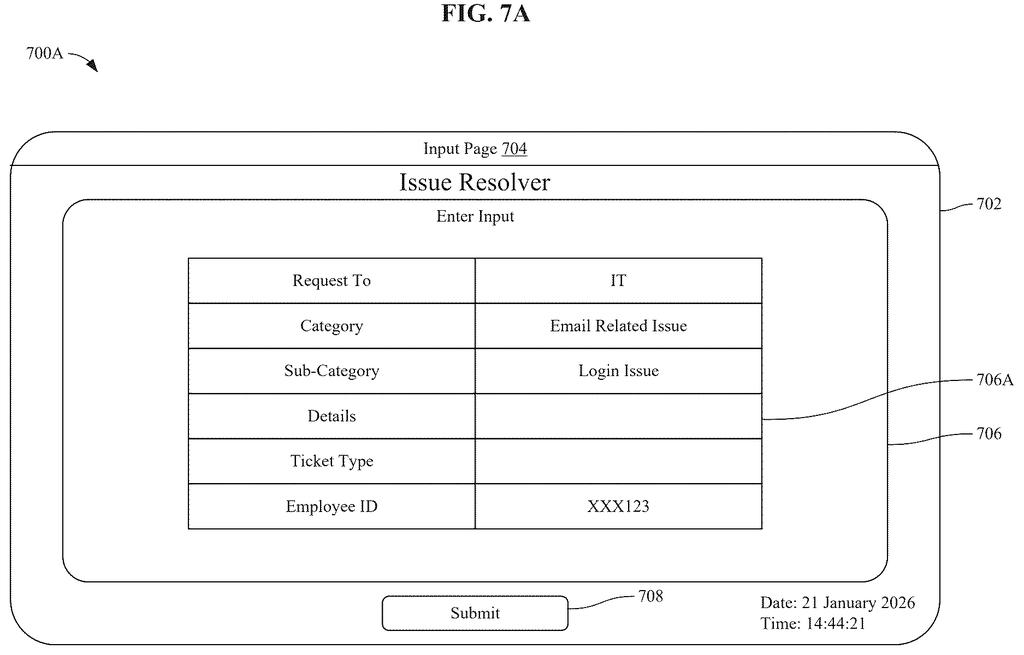
What IBM's self-executing problem-solver actually does
When something goes wrong in a large organization, a network outage, a compliance failure, a supply chain snag, the people responsible usually have to dig through manuals, databases, and past incident reports before they can even figure out what to do. That digging takes time, and time is often the whole problem.
IBM's patent describes a system that automates that process. You feed it a description of an issue in a specific field (think IT operations, finance, or healthcare), and it fires off a series of questions to specialized knowledge bases relevant to that field. It collects the answers, applies a machine-learning model to make sense of everything, and generates a ranked set of potential solutions. Then it goes further: it executes at least one of those solutions automatically.
The system doesn't rely on a single catch-all database. It targets knowledge sources specific to the domain where the problem lives, which is what makes its answers more accurate than a general-purpose AI assistant would produce.
… retrieving, by the computer, domain-specific data from a set of knowledge bases associated with the specific domain, wherein the domain-specific data is retrieved based on the identification of the set of queries; …
Translation: The system pulls specialized information from knowledge bases based on the specific problem.
How the system queries, ranks, and acts on its own answers
The patent describes a multi-step pipeline for automated problem diagnosis and resolution within a specific domain, such as IT infrastructure, financial compliance, or industrial operations.
First, the system receives response data for a set of queries already associated with a known issue. It identifies which of those queries are most relevant, then retrieves domain-specific data from a curated set of knowledge bases tied to that field. These aren't generic web searches; they're targeted pulls from structured repositories that hold expertise about the particular domain.
Next, the system generates a new set of responses to those filtered queries, drawing on the domain data it just retrieved. It then applies a machine learning model (a pattern-recognition system trained to weigh evidence and rank outcomes) across three inputs: the original response data, the new generated responses, and the full set of queries. That combined analysis produces a set of candidate solutions.
The final and most operationally significant step is execution control: the system doesn't stop at recommendations. It directly triggers at least one of the solutions it generated, closing the loop from diagnosis to action without requiring a human to approve and implement the fix manually.
A first ML model is applied to the response data, the set of responses, and the plurality of queries. A set of solutions is generated to resolve the issue and an execution of at least a first solution of the generated set of solutions is controlled.
Translation: Machine learning analyzes the data to create fixes and then manages how they are carried out.
What automated problem resolution means for enterprise IT
For large enterprises, the gap between identifying a problem and fixing it is where outages drag on and costs mount. A system that can query the right knowledge sources and then act on what it finds could meaningfully shrink that gap in fields like IT operations, where response time is everything.
The execution-control piece is what separates this from a fancier chatbot. Most AI tools in this space stop at generating a recommendation and leave the action to a human. If IBM ships something based on this, the question for your organization becomes less 'what should we do?' and more 'how much do we trust the machine to do it for us?' That trust question, not the technology, is what will determine how widely this kind of system gets adopted.
That makes this IBM's ninth filing we've tracked since July in our AI agents acting for you watchlist, a series that includes an AI that summarizes search results and AI headphones that fix garbled audio.
IBM's patent describes a software-only system, which means no new hardware stands between this idea and a real product. That removes one genuine obstacle.
The bigger obstacles are quieter ones. The specialized knowledge libraries have to already exist, the underlying model has to be trained for the right subject area, and someone inside an organization has to decide in advance exactly which fixes the system is allowed to make on its own. Those are months or years of groundwork, not a download.
The most realistic first product would live somewhere low-stakes and well-documented, like a corporate help desk, where problem-and-fix libraries are already maintained and a bad automated answer can be undone. The architecture described here is coherent, but the document is honest by omission: it assumes all the hard prerequisites are already solved.
There are more where this came from
We read every patent application Big Tech publishes and send you the ones worth knowing. Plain English, free, every week.
The drawings
11 drawing sheets from US 2026/0278405 A1 · click any drawing to enlarge


Want this weekly breakdown for a company we don't cover? Patentlyze Pro →
Be the first to weigh in