
IBM Patents AI Headphones That Reprocess Garbled Navigation Announcements
Anyone who has ever strained to hear a muffled subway announcement or a garbled airport gate change knows the sinking feeling of missing it entirely. IBM's new patent describes a system where your AI-equipped headphones catch those announcements for you and replay them in a clear, enhanced form.
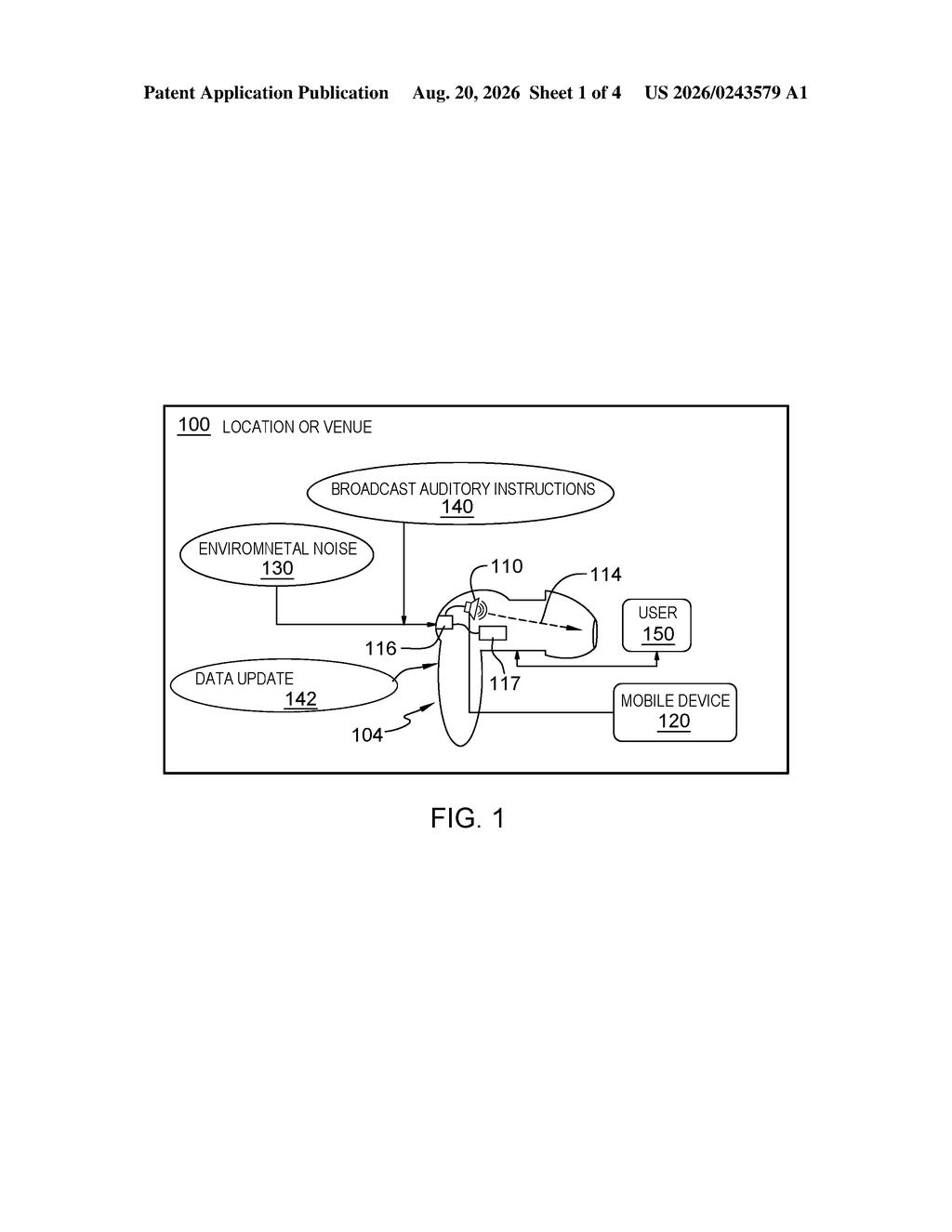
How IBM's AI headphones handle missed transit calls
You're standing in a busy airport, headphones on, and the gate agent's voice crackles over the PA system. You catch maybe half of it. Was that gate B12 or B2? Under the system IBM has filed a patent for, your headphones would handle that problem automatically.
The idea is that an AI-enabled device (think a smartphone or a wearable paired to your headphones) listens to announcements around you. When it picks up navigation-related keywords, like a gate number, a street name, or a platform designation, it processes the audio and sends a cleaned-up version straight to your ears. It can also pull in data updates from a monitoring system electronically, so if your flight changes gates, the device could catch that update too.
The GPS component ties everything together: the device knows where you are, which helps it decide whether an announcement is relevant to you at all. If you're nowhere near gate B, it might reasonably ignore a gate-B announcement entirely.
… the receiving of the navigation instructions either from auditory capture by the AI enhanced device of an announcement at a location, or a data update from a monitoring system electronically received by the AI enhanced device …
Translation: The device can either listen to public speakers or receive digital data to get your travel directions.
How the AI device captures, parses, and re-outputs instructions
The patent describes a computer-implemented method that sits between a noisy real-world announcement and your ears. Here's the general flow:
- Capture: The AI-enhanced device either listens to a live spoken announcement through its microphone (auditory capture) or receives a structured data update from a monitoring system, like an airline's gate-change feed.
- Keyword detection: The system scans the received content for navigation-relevant keywords. These would be terms that signal directional or location information, such as platform numbers, street names, exit labels, or departure gates.
- Acoustic enhancement: When a keyword triggers the system, it outputs an acoustically enhanced version of the full navigation instruction through the user's audio headphones. The patent doesn't specify the exact processing technique, but "acoustic enhancement" typically refers to noise reduction, volume normalization, and clarity filtering.
The GPS layer (Global Positioning System, the same location technology in any smartphone) adds context. The device knows where the user physically is, which could help the system filter announcements that are geographically relevant.
The two input modes, live audio capture and electronic data updates, mean the system is designed to work in environments with either spoken PA systems or digital information feeds, or both.
In response to the detecting of the one or more keywords by the AI enhanced device, the AI enhanced device can output an acoustically enhanced version of the navigation instructions to audio headphones of the user.
Translation: Once the AI identifies key travel terms, it cleans up the audio and plays a clearer version through your headphones.
What this means for travelers who miss critical announcements
For commuters, travelers with hearing difficulties, or anyone navigating a loud, chaotic transit environment, this kind of automatic audio relay could prevent genuinely costly mistakes: missed flights, wrong subway exits, skipped bus stops. The patent targets a frustration that is universal but rarely solved at the hardware level. Most navigation apps assume you're looking at a screen; this one assumes you're not.
The filing sits squarely in the growing space of ambient AI, where devices monitor your environment and intervene only when something actionable happens. IBM is approaching it from a transit and navigation angle, which is a narrower and more practical target than many ambient-AI concepts. Patentlyze tracks how IBM and others are pushing into this area through the latest Big Tech patents on AI-assisted hearing and location-aware wearables.
IBM's seventh filing we've tracked in our AI agents acting for you watch since July builds on earlier work like screening agent actions for threats and turning plain language into code.
For a frequent traveler or daily commuter, this system addresses the specific moment of failure that costs people the most: the muffled gate change announcement absorbed into terminal noise, the highway exit instruction lost under music. The GPS-aware filtering means the device can weigh which announcements actually apply to where the user is standing, so the audio reaching their ears is relevant rather than a stream of every PA blurb in the building. Two input modes, live audio capture and electronic data feeds, mean the system can catch the same critical update through whichever channel delivers it first.
There are more where this came from
We read every patent application Big Tech publishes and send you the ones worth knowing. Plain English, free, every week.
The drawings
4 drawing sheets from US 2026/0243579 A1 · click any drawing to enlarge


Want this weekly breakdown for a company we don't cover? Patentlyze Pro →
Be the first to weigh in