
Samsung Patents a Workout Planner That Builds Around Your Body-Shape Goal
Samsung is patenting a fitness system that shows you multiple possible versions of your body, lets you pick a target shape, and then builds a personalized workout plan to get you there.
What Samsung's body-goal exercise planner actually does
Most fitness apps ask you to type in a goal like "lose weight" or "build muscle" and then hand you a generic plan. That gap between a vague text goal and a plan that actually fits you is what this patent tries to close.
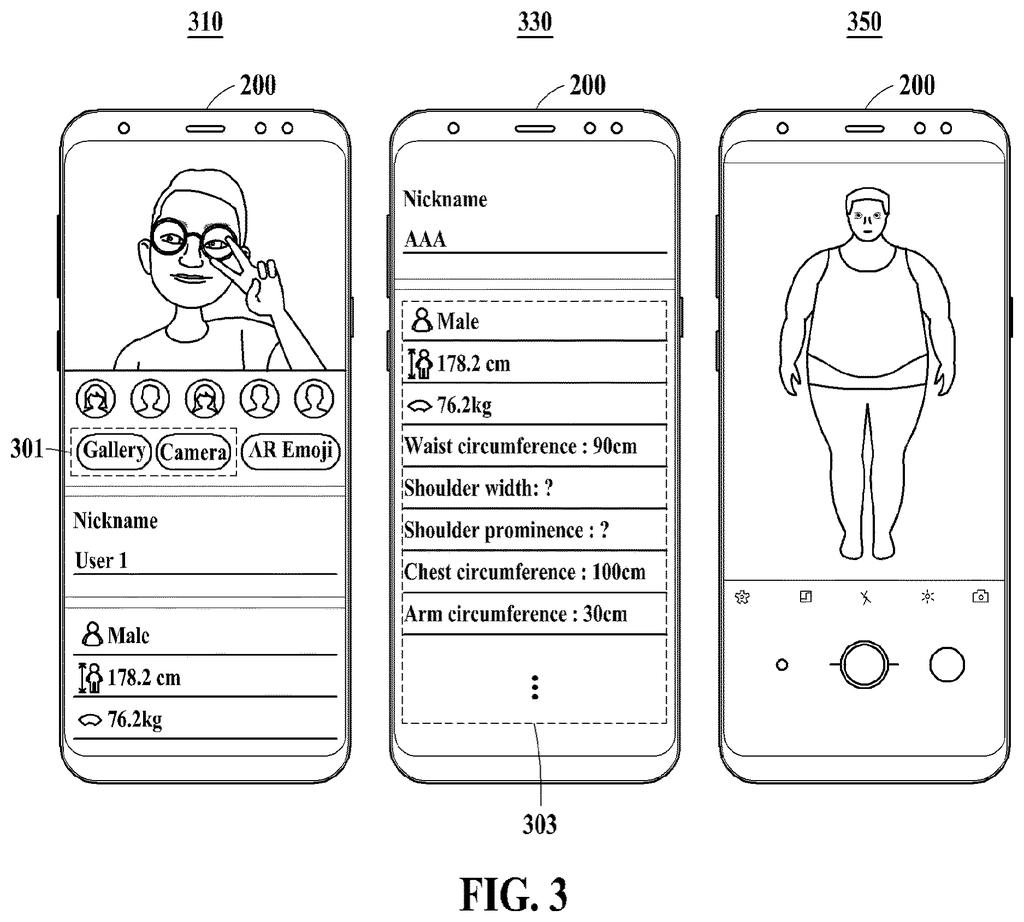
Samsung's system would analyze a photo of you along with your personal stats, then generate several body-shape images showing what different outcomes could look like. You tap the one that matches your goal, and the device uses that visual target alongside your workout history to build a plan.
The idea is that seeing a concrete picture of where you want to go, rather than picking a category from a dropdown, gives the system a more precise target. Your past exercise habits feed into it too, so the plan isn't just based on a wish but on what you've actually been doing.
How the device maps your image to a workout plan
The system starts with two inputs: a user image (likely a photo or scan of your body) and user information such as age, weight, or fitness metrics. From those, the device generates multiple body shape images, each representing a plausible outcome under different training paths.
You then select one or more of those images as your target body shape. That selection becomes the anchor for everything that follows. The device combines your chosen visual goal with your exercise history (what workouts you've done, how often, at what intensity) to produce a tailored exercise plan.
The claim is intentionally broad about how the images are generated, which leaves room for AI image synthesis or avatar-based rendering. The core loop is:
- Capture your current state through image and data
- Display a range of possible future body shapes
- Accept your selection as the goal
- Output a plan calibrated to close the gap between now and that goal
The patent doesn't specify the exact model or rendering engine, so the technical implementation could sit inside a phone, a wearable companion app, or a cloud backend that pushes results to the device.
What this means for AI-driven fitness on Galaxy devices
If Samsung ships something like this, the payoff for you is a fitness plan that starts from a visual goal you actually chose rather than a label you typed. That specificity could make the plan feel more personal, though the quality of the underlying workout recommendations still depends entirely on how well the exercise-history analysis is built.
Samsung's steady investment in health and fitness patents suggests Galaxy Watch and Galaxy Health are the most likely home for this. The bigger question is whether AI-generated body images create expectation problems for real users, and how Samsung handles the privacy side of storing and processing personal body photos. Neither of those questions is answered in this filing.
That makes this Samsung's fourth filing in AI recommendation filings we've tracked since June, joining the camera that learns routines and the database that reads your inputs.
The moment you pick your goal body shape from a set of pictures, something shifts. That act of pointing at an image is more concrete than typing a target weight, and a more specific goal can feed a more useful plan.
What this patent describes, though, is mostly the shape of an idea rather than a finished solution. It outlines a flow: show you images, record your choice, generate a plan. The details that would make the plan actually good, how it reads your history, how it adjusts over time, are not here.
So whether this matters to you depends on execution Samsung has not yet shown. The failure it could prevent is real: vague goals producing plans that ignore who you actually are. Whether it prevents that failure is a question this filing leaves open.
There are more where this came from
We read every patent application Big Tech publishes and send you the ones worth knowing. Plain English, free, every week.
The drawings
18 drawing sheets from US 2026/0269046 A1 · click any drawing to enlarge


Want this weekly breakdown for a company we don't cover? Patentlyze Pro →
Be the first to weigh in