
IBM Patents an AI System That Compares Search Results and Writes the Summary For You
IBM has filed a patent for a system that takes your search results, automatically identifies what matters about each item, compares them attribute by attribute, and then writes you a plain summary. It's the difference between reading five product pages yourself and getting a structured report handed to you.
What IBM's AI comparison report actually does
Ever tried to compare three laptops at once, juggling five browser tabs and a spreadsheet? IBM's patent describes a system designed to handle that whole process automatically.
You tell the system which items you want to compare, and it runs through search results to pull out the relevant details about each one: things like price, specs, or any other defining attribute. Then it groups those details by category so it's comparing apples to apples, runs the actual comparisons, and hands you a written summary explaining the differences.
The key piece is that a generative AI model writes the final report. You don't get a raw data table. You get something closer to a short article explaining how the items stack up across specific attributes, written in plain language.
identifying, by a chain of interconnected machine learning models (MLMs), features from data generated by a search engine, wherein the features characterize attributes of a plurality of items designated by a user for comparison …
Translation: The system uses a series of AI models to pull specific details from search results for items you want to compare.
How the chained models sort and compare features
The system works through several stages, each handled by a different set of machine learning models.
- Feature extraction: A chain of interconnected ML models reads the raw data returned by a search engine and identifies the meaningful attributes of each item the user wants to compare. Think of this as the system deciding which details actually matter.
- Feature grouping: A second chain of models sorts those extracted attributes so that like features are grouped together across all items. If you're comparing three phones, screen size from all three ends up in the same bucket.
- Inter-feature comparison: A dedicated comparative ML model then evaluates the items within each group, measuring how they differ on that specific attribute.
- Report generation: A generative AI model (the kind that produces human-readable text) takes all those comparison results and writes a structured summary report, which is delivered to the user.
The patent emphasizes the use of chained ML models at multiple stages, meaning the output of one model feeds into the next rather than a single model trying to do everything at once. The comparative ML model and the generative model are described as distinct components, each with a specific role in the pipeline.
A generative AI model generates a comparative search result report based on the inter-feature comparisons. The comparative search result report summarizes the inter-feature comparisons of specific attributes of each of the items and is output to the user.
Translation: An AI writes a summary report that explains how the items you searched for stack up against each other.
What this means for AI-powered shopping and research tools
IBM is positioning this as an enterprise-grade tool for search-driven comparison tasks, but the obvious consumer application is product research. Today, when you want to compare items on a search engine, you get links. A system like this would return a structured, written analysis instead, skipping the manual work entirely.
The filing sits squarely in the fast-moving space of AI-augmented search, where every major tech company is experimenting with making search engines do more than return links. IBM's approach of separating feature extraction, grouping, and comparison into distinct model chains is a specific architectural bet, and it's the kind of new tech patents in the AI search space that show how differently companies are thinking about who writes the summary at the end of a query.
That makes this IBM's eighth patent we've tracked since July on our AI agents acting for you watchlist, after earlier filings on garbled audio fixes and AI action security checks.
Breaking the work into four separate stages (pulling out features, sorting them, comparing them, then writing the summary) means each stage can be improved without rebuilding everything else. That modularity is a real advantage when you're maintaining a system over time. The cost is that errors travel silently downstream.
If the first stage misreads what an item actually is, every stage after it works from that mistake, and the final report sounds confident while being wrong about the fundamentals. Four handoffs means four places where a small misread becomes a bad answer. Whether that risk is acceptable depends entirely on what you're comparing.
Clean, structured product listings with consistent labels are forgiving; the pipeline has enough to grab onto. Messy, open-ended search results are a different story, and that's where most real searches live.
Get our take in your Top Stories
Liked this breakdown? Add Patentlyze as a preferred source on Google, and our plain-English take shows up more often in your Top Stories the next time IBM patent news breaks.
There are more where this came from
We read every patent application Big Tech publishes and send you the ones worth knowing. Plain English, free, every week.
The drawings
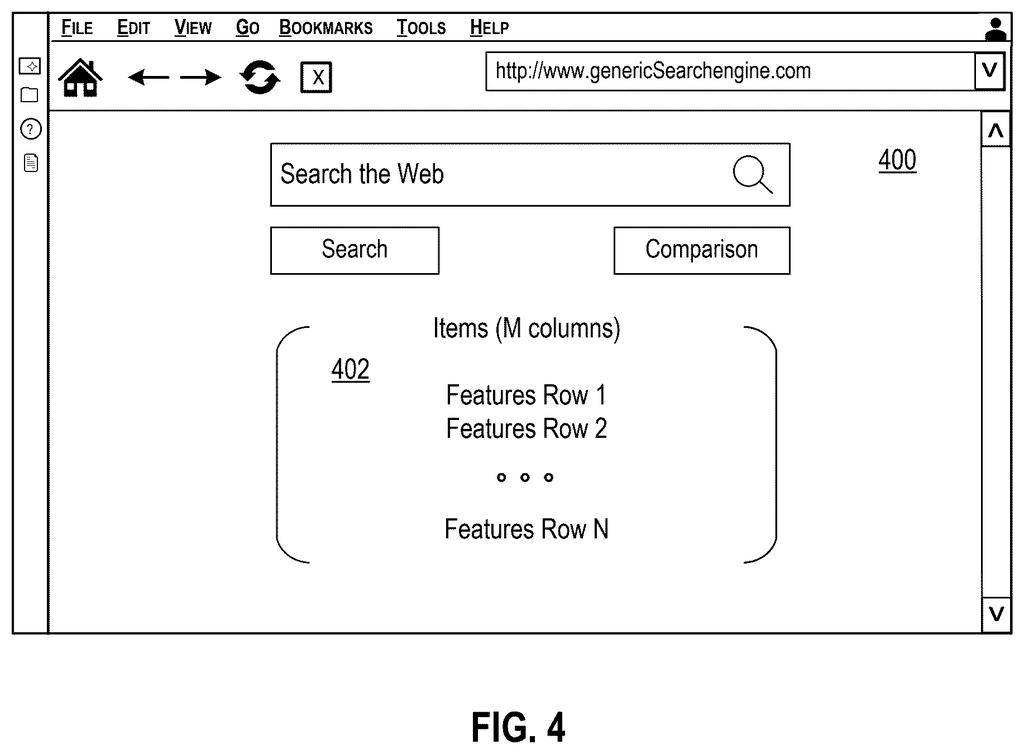
4 drawing sheets from US 2026/0253118 A1 · click any drawing to enlarge


Want this weekly breakdown for a company we don't cover? Patentlyze Pro →
Be the first to weigh in