
Sony Patents an AI System That Diagnoses and Fixes Your Devices Remotely
Sony is patenting a system where a remote AI server watches for device problems, writes its own diagnostic software on the spot, and pushes fixes to your gadget automatically, no service call, no support ticket, no manual update required.
How Sony's AI self-repair system would work for you
When a Sony device runs into a problem today, the usual path is a support call, a firmware update you have to install yourself, or a trip to a repair shop. The device might not even tell you something is wrong until it has already failed.
Sony's filing describes a different setup. A server running AI monitors your device in the background. When something looks off, the server uses a large language model (think: the same type of technology behind ChatGPT) to write a small diagnostic program on the spot, send it to your device, and run it. Based on what the diagnostic finds, the server either pushes a fix automatically or files the issue away for engineers to review later.
From your side, the experience could feel invisible. The device notices a problem, the server investigates, and a correction arrives before you ever see an error screen. Think of it like a mechanic who calls you instead of waiting for you to notice the check-engine light.
… execute one or more artificial intelligence (AI) models to analyze the data and to determine, based on the analysis, whether corrective action should be taken to address an issue at the first client device; …
Translation: The system uses AI to figure out if a reported device problem actually requires a fix.
How the LLM writes and deploys diagnostic code on the fly
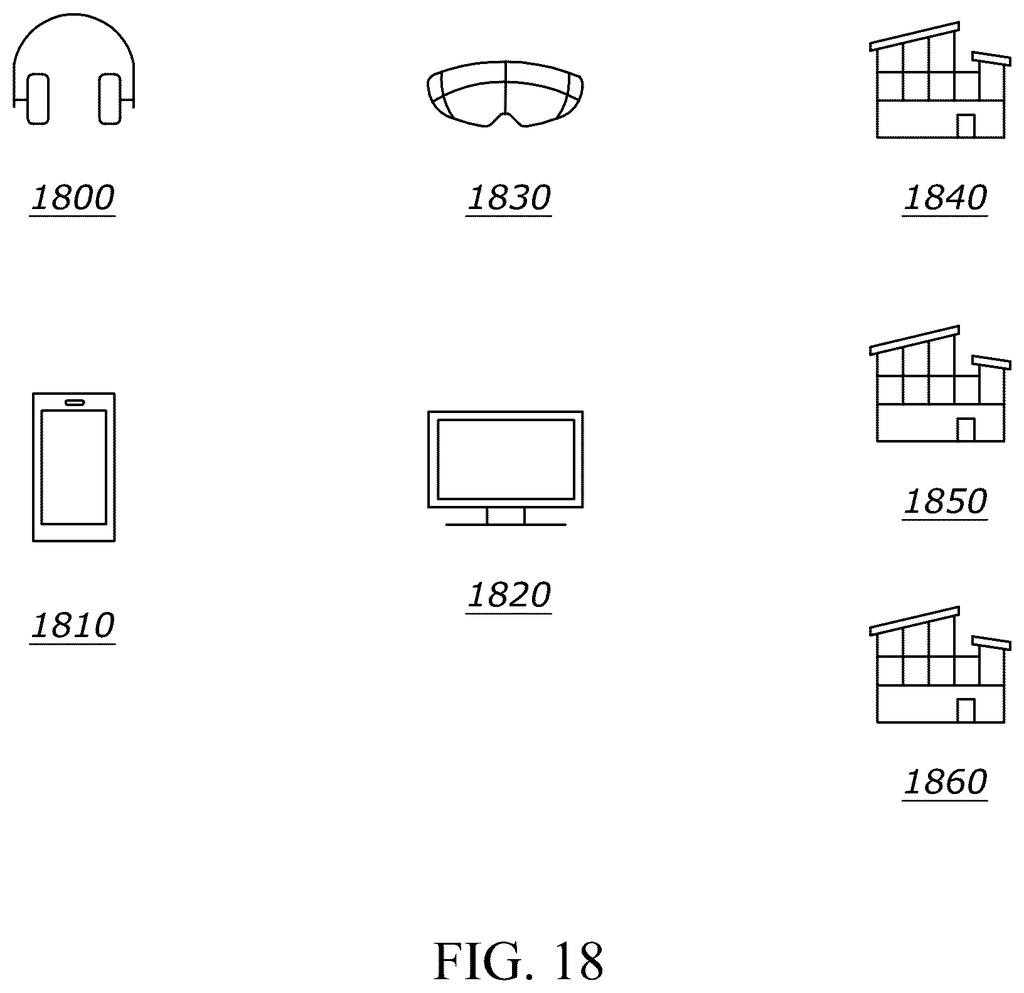
The system has two main parts: a client device (a PlayStation, a TV, a camera, or any Sony consumer product) and a remote server that acts as the brains.
When the device detects something unusual, it sends a signal to the server. The server then runs AI models to analyze what the data means. If the AI decides the issue needs attention, it calls on a large language model (LLM) to write one or more diagnostic algorithms. An LLM is a type of AI trained on enormous amounts of text and code; here it is being used to generate software tailored to the specific problem, rather than relying on a fixed library of pre-written diagnostics.
Those freshly written diagnostics are transmitted back to the device, which runs them and reports the results. The server then makes a second judgment call:
- If corrective action is needed, it communicates with the device to carry out a fix.
- If no fix is needed right now, the issue is recorded in a log for human review later.
The key technical move here is the on-demand generation of diagnostic code. Traditional device diagnostics are baked in at the factory. This approach lets the server craft a test that matches the exact symptom the device just reported, which in theory catches problems that no engineer anticipated when the product shipped.
Responsive to determining that corrective action should not be taken, the instructions may be executable to record the issue in a log.
Translation: If the system decides no fix is necessary, it simply writes the event down in a log file.
What automatic device repair means for PlayStation and beyond
For everyday users, the appeal is obvious: fewer frustrating error messages, fewer moments where your device just stops working and you have no idea why. If Sony can route this kind of AI triage through its existing cloud infrastructure, it could reduce the number of warranty claims and support calls across its entire product lineup, from PlayStation consoles to TVs to cameras.
The broader signal is that Sony is thinking about after-sale device health as an AI problem, not just a software-update problem. Sony keeps filing on AI-driven device management, and a system like this would give the company a live feedback loop from millions of devices in the field, which is valuable engineering data even when no fix is sent.
Sony's sixth filing we've tracked since July in our agents that act for you watchlist follows one that rewrites its own priorities and cloning a teammate as a bot.
Sony's connected devices already talk to its cloud servers constantly, so the communication backbone this system needs already exists. The patent describes adding a decision-making layer on top of that backbone, and crucially, it requires no new hardware inside the televisions or consoles you already own, only software updates on both ends.
That makes the path to a real product unusually short. The main thing that has to be built is the artificial intelligence that judges whether a detected problem is serious enough to act on, and what action to take.
The honest gap in the document is safety: an automated system sending repair instructions to a device in your living room needs careful guardrails so a small hiccup does not become a larger one. That is a genuine engineering challenge, but it is a solvable one, and nothing here suggests the core idea is unsound.
There are more where this came from
We read every patent application Big Tech publishes and send you the ones worth knowing. Plain English, free, every week.
The drawings
13 drawing sheets from US 2026/0277732 A1 · click any drawing to enlarge


Want this weekly breakdown for a company we don't cover? Patentlyze Pro →