
Sony's New Patent Covers an AI System That Invents New Content Labels on the Fly
Every content library has a dark corner: new stuff that doesn't fit any existing category. Sony's latest patent filing tackles exactly that gap, using AI to invent new labels when the old ones don't cut it.
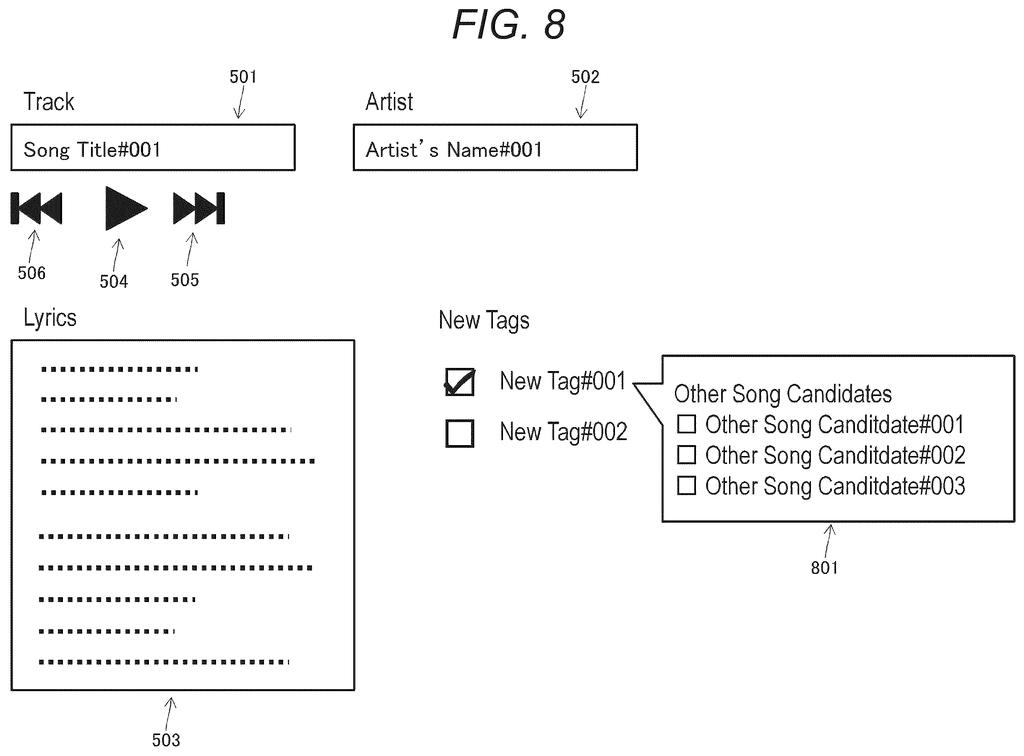
How Sony's auto-tagging system handles content that fits no existing category
Every time a new album drops in a genre that didn't exist two years ago, or a game mixes categories in a way nobody has seen before, the people responsible for organizing Sony's content libraries hit the same wall: none of the existing labels fit.
This patent describes a system designed to handle that moment. When a human organizer (called an annotator) is tagging new content and none of the suggested existing tags seem right, an AI model steps in and generates a brand-new tag on the spot. The annotator can then review that proposed new label before it goes live.
Before the new tag is officially adopted, the system shows the annotator other content that would fall under that new label, as a sanity check. That way, a made-up tag that's too broad, too narrow, or just wrong doesn't pollute the entire catalog.
… generates a new tag appropriate for content to which a tag is to be added on a basis of a foundation model and presents the new tag to an annotator.
Translation: The system uses a core AI model to invent fresh labels for media and suggests them to a human reviewer.
How the foundation model generates and validates a brand-new tag
The patent describes a three-part pipeline, each handled by a separate component inside the system.
- Existing tag proposal unit: When a piece of content needs labeling, this component first scans the current library of approved tags and surfaces the most appropriate ones for the annotator to choose from.
- New tag proposal unit: If the annotator passes on all the suggested existing tags, this unit activates. It feeds the content into a foundation model (a large, general-purpose AI trained on broad data, similar in concept to the models behind chatbots) and asks it to generate a new tag that fits. That proposed tag is then shown to the annotator for approval.
- Related content confirmation unit: Before the new tag is committed, the system surfaces other content in the library that would also fall under that new tag. The annotator reviews this set as a check, confirming the new label is actually meaningful and not redundant with something that already exists.
The core claim is narrow: the minimum viable version of this system is just the new-tag-proposal unit, with the other two components adding layers of accuracy and human oversight on top.
What this means for finding content on Sony's platforms
For anyone who browses Sony's platforms, whether that's PlayStation's game store, its music services, or its video catalog, better tagging translates directly into better search and discovery. A system that can coin accurate new labels as culture shifts means you're less likely to hit a dead end when you're looking for something that sits outside the standard genres.
Sony's steady filing work in content organization reflects a real operational cost for any company managing catalogs at scale. Keeping tags current by hand is slow and inconsistent. A tool that automates the hard cases, specifically the genuinely new content that breaks existing categories, could keep a large library organized without a proportional increase in manual labor.
That makes this Sony's 19th filing since May in Enterprise AI, a corpus that includes one on picking optimal problem solvers and one on fixing game visuals across screens, among the patents we've tracked.
The gap between this patent and a real product is unusually small. It describes a pure software system: a matching algorithm, an AI language model, and a human review screen. No new hardware, no exotic infrastructure, just pieces most large media companies already have in separate corners of the building.
The interesting design choice is the fallback loop. When no existing label fits a piece of content, the system asks the AI to suggest a new one, then makes a human confirm it before it sticks. That confirmation step is doing real work, because a bad tag applied at scale can bury content or surface it to the wrong audience for months.
Whether this matters depends entirely on how seriously the review step is enforced in practice. The patent gets the structure right, and the shortest route to a product is simply wiring together tools that likely already exist internally.
There are more where this came from
We read every patent application Big Tech publishes and send you the ones worth knowing. Plain English, free, every week.
The drawings
12 drawing sheets from US 2026/0268068 A1 · click any drawing to enlarge


Want this weekly breakdown for a company we don't cover? Patentlyze Pro →