
Sony Files Patent for a Dual-Model System That Spots Unusual Patterns in Business Data
Sony is patenting a system that runs two separate AI models on the same data stream and combines their findings, one model with extra context, one without, to flag things that a single model might miss.
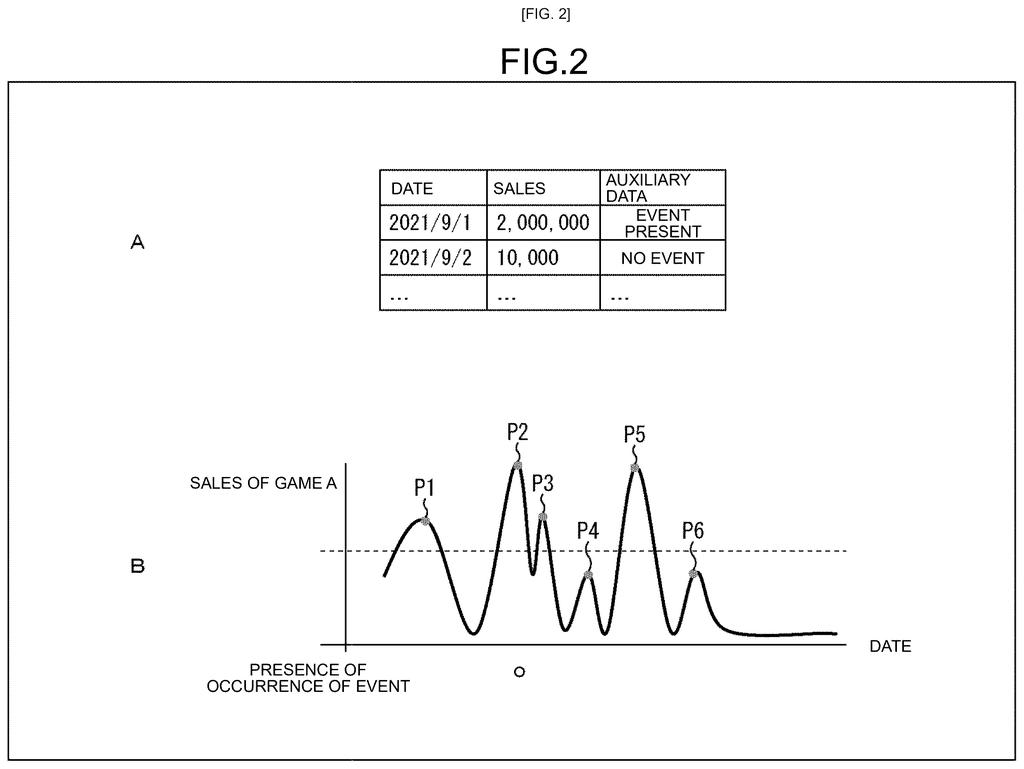
How Sony's two-model anomaly detector reads sales data
Ever noticed how a surprise sale event can make your store's numbers look completely broken to an automated system that doesn't know the sale is happening? That's a real problem for any company watching data in real time.
Sony's approach here is to run two AI models at once on the same stream of numbers. The first model knows about outside factors, like a promotional event or a seasonal spike, and uses that context to judge whether a change is unusual. The second model looks at the raw numbers without any of that context. By combining both verdicts, the system can tell the difference between a suspicious anomaly and a perfectly expected one.
Sony says this could apply to monitoring sales data, which makes sense for a company running digital storefronts like the PlayStation Store. The combined output is then formatted into a presentation you can actually read and act on.
The present technology can be applied to, for example, an information processing apparatus that monitors sales data.
Translation: This tool is specifically designed to keep track of everyday business revenue and sales figures.
How the two detection models divide the work
The patent centers on an information processing apparatus with a single key component: a presentation control unit. That unit's job is to take the outputs from two separate detection models and combine them into a single readable result.
- First detection model: Uses "auxiliary data" (extra context about why the numbers might change, think promotional calendars, seasonal tags, or event flags) to decide whether a data point looks abnormal given what it knows.
- Second detection model: Looks at the same time-series data (a stream of numbers recorded over time, like hourly sales figures) with no extra context at all, judging purely on the shape of the numbers.
- Presentation control unit: Takes both results, combines them according to some logic the patent doesn't fully specify in claim 1, and generates a display or report that a person or downstream system can act on.
The idea is that context-aware and context-free views of the same data will each catch different things. A context-aware model won't panic during a known sale event. A context-free model might flag that same event as suspicious, which is useful information on its own. Together, their combined signal is meant to be more reliable than either alone.
What this means for businesses tracking live data
For any business watching live data streams, false alarms from automated monitoring are expensive. Every wrong flag is someone's time spent investigating nothing. A system that can distinguish "this spike happened because we ran a promotion" from "this spike is genuinely strange" has real operational value.
Sony Interactive Entertainment runs one of the world's largest digital game marketplaces. Unusual transaction patterns, whether from fraud, a server error, or an unexpected viral hit, matter a great deal. A dual-model approach that layers context over raw signal detection could reduce the noise that drowns out real problems. Sony's growing interest in data-monitoring filings suggests this kind of infrastructure work is becoming a priority alongside its consumer-facing products.
That makes this Sony's fourth filing we've tracked since July in our AI models working in teams watchlist, joining one on picking optimal solvers and one on mimicking writing styles.
Claim 1 covers any device that combines results from two monitors: one that watches for unusual patterns in data while also considering surrounding context (like seasonal shopping trends), and one that watches for unusual patterns without that context, then presents both findings together. No specific industry, no particular math, no required output format appears anywhere in the claim text. That makes it broad.
In practice, that breadth means any dual-monitor system built around exactly that pairing, whether used in retail, healthcare, or finance, would need to contend with this claim if granted.
The narrow ledge the whole claim stands on is whether using data about variation patterns as the distinguishing ingredient in one of the two monitors counts as sufficiently new. Combining multiple detection methods is a familiar practice, and patent reviewers will push hard on that point.
There are more where this came from
We read every patent application Big Tech publishes and send you the ones worth knowing. Plain English, free, every week.
The drawings
10 drawing sheets from US 2026/0267727 A1 · click any drawing to enlarge


Want this weekly breakdown for a company we don't cover? Patentlyze Pro →