
Samsung Patents a Photo Tagging System That Groups and Labels Images for You
Tagging one photo is easy. Tagging the 47 other photos from that same birthday dinner is the part nobody does. Samsung's new patent describes a system that figures out which images belong together and lets you label the whole group at once.
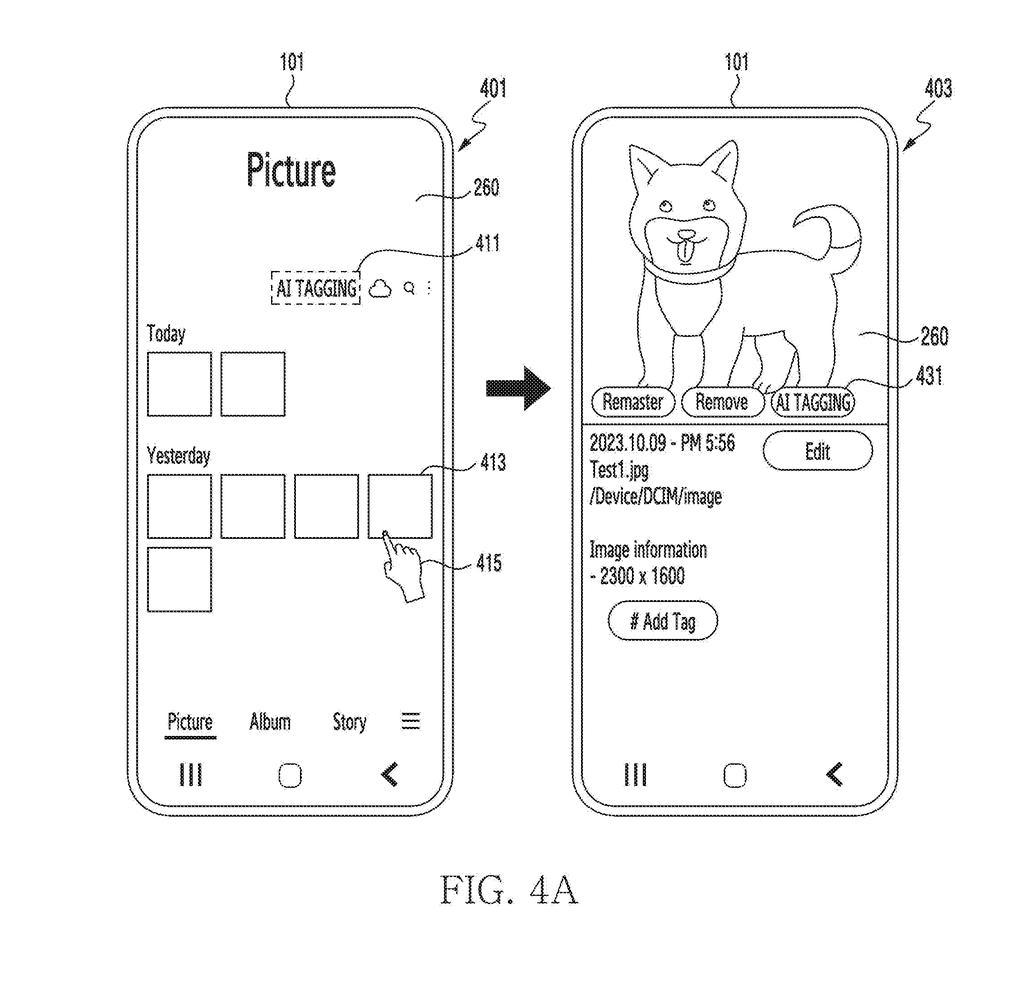
What Samsung's batch photo tagging actually does for you
You're scrolling through your camera roll trying to organize hundreds of photos, and the idea of tagging each one individually feels impossible. So you just don't, and the photos pile up unsorted.
Samsung's patent describes a way to fix that. When you create a tag, like "Mom's birthday" or "trip to Tokyo," the device uses the characteristics of images you've already selected to find other photos that seem like they belong in the same group. It then shows you those candidate photos so you can quickly confirm or skip them.
The result is that one tagging action can ripple across an entire batch of related photos. You define the tag, the device does the searching, and you just make the final call on which ones to include. It's the difference between filing one folder at a time versus the system pre-sorting your desk before you even sit down.
identify one or more first images for assigning a tag defined by a user input, based on a characteristic of the one or more first images …
Translation: The device automatically finds photos that match a custom label you created.
How the device identifies and groups images for tagging
The patent covers an electronic device (a phone, tablet, or similar gadget) that handles photo tagging in three steps:
- Identify anchor images: When you create a tag via a user input, the device looks at the characteristics of the images you've already associated with that tag. "Characteristics" here likely means things like color profiles, detected faces, scene types, or metadata like date and location.
- Surface candidates: The device then scans your broader photo library and pulls up a set of "second images", photos it thinks might be relevant, and displays them for review.
- Confirm and assign: You select which of those candidate images should also receive the tag ("third images" in the patent's language), and the system applies the tag to both your original selections and your new picks in one go.
The key idea is that the device does the heavy lifting of finding similar images, while the user retains final approval. This is different from fully automatic organization, where the system sorts everything without asking. Here, you stay in control but skip the tedious part of searching through thousands of photos manually.
The patent is broad enough to cover various approaches to defining "characteristics", it doesn't lock in one specific AI model or matching method, which keeps the claims flexible across different implementations.
… assigning, by the electronic device, the tag to the one or more first images and at least one third image selected by another user input among the plurality of second images …
Translation: It applies your custom label to the automatically grouped photos and any others you pick.
What this means for managing large phone photo libraries
Most people's phone photo libraries are a mess, not because they don't care, but because tagging and organizing individual photos is genuinely tedious work. A system that can surface related images and batch-apply a label removes the biggest friction point. For Galaxy phone users who shoot hundreds of photos a month, this could make the difference between a searchable library and a scroll-forever archive.
The broader implication is about how much manual work users should have to do in a world where phones already identify faces, locations, and scenes automatically. If the device already knows that ten photos are from the same place on the same day, asking you to tag each one separately feels like a step backward. This patent is Samsung's attempt to close that gap.
Samsung's 1271st filing in our Samsung coverage since May joins ideas like the privacy display and selective pixel retouching in a growing body of screen and image work we track.
Most people take thousands of photos a year and organize almost none of them, because doing it photo by photo feels like a second job. The cost is real: memories become unsearchable, and the library that was supposed to be a personal archive turns into a pile.
Samsung's approach here targets the right bottleneck. Instead of asking you to label every photo yourself, the system watches which photos you tag, finds similar ones, and asks you to confirm rather than start from scratch. That confirmation step matters, because a system that decides everything on your behalf tends to make confident mistakes you only notice later.
Whether this actually helps people depends almost entirely on how well the underlying photo-matching works. A sharp execution makes the feature feel like a useful assistant; a weak one surfaces the wrong photos constantly and trains you to ignore it. The concept is sound, but the concept is the easy part.
There are more where this came from
We read every patent application Big Tech publishes and send you the ones worth knowing. Plain English, free, every week.
Want this weekly breakdown for a company we don't cover? Patentlyze Pro →