
Samsung
Samsung · AI / ML · Filed Jun 30, 2025 · USPTO published Jun 25, 2026 · Jun 25 release
Samsung Patents an AI That Maps Color Tones Across Different Parts of a Photo
Your phone already knows there's a sunset in your photo. Samsung's new patent wants it to know exactly how much warm orange is in the sky versus the foreground, and treat each part of the scene differently.
- Publication number
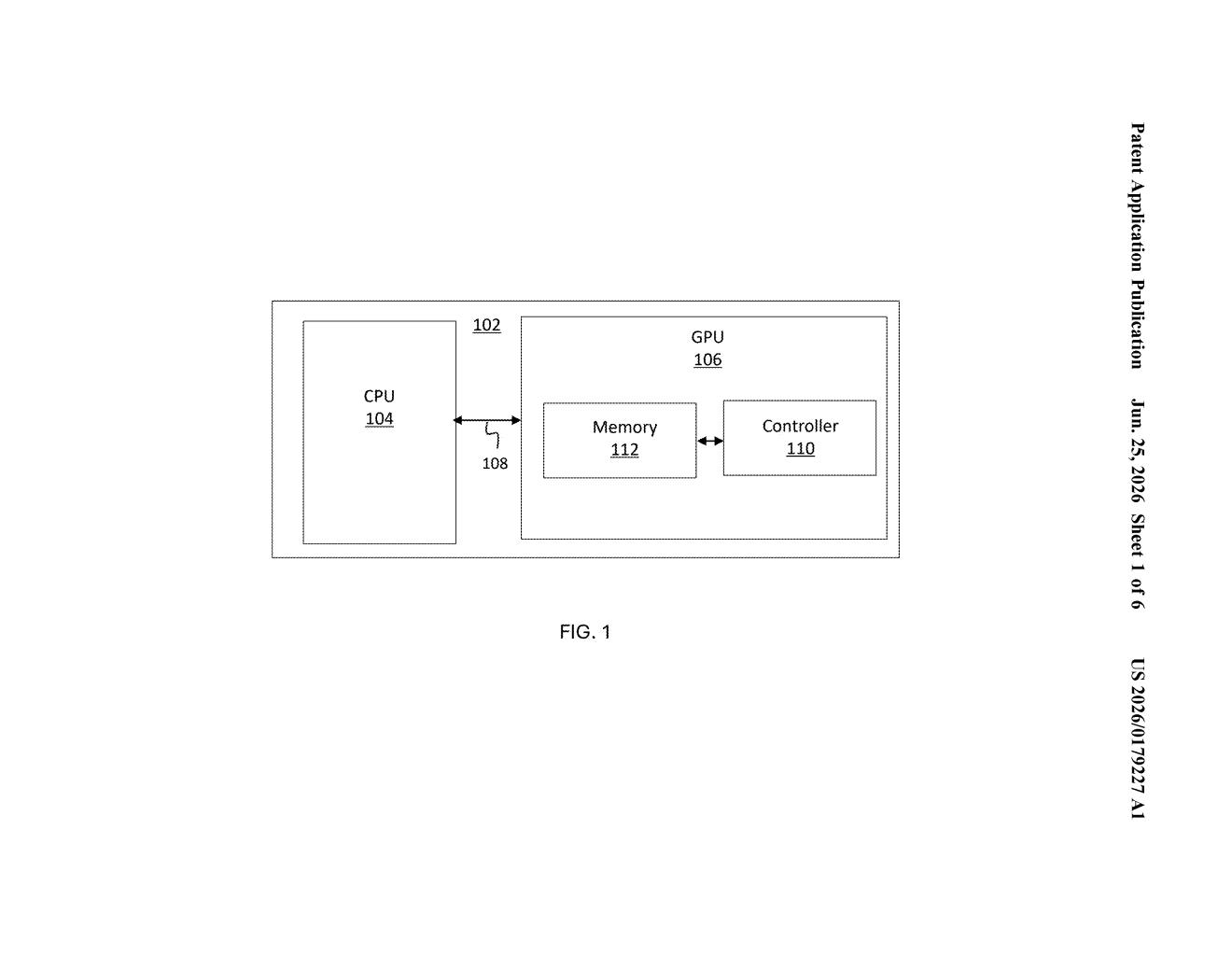
- US 2026/0179227 A1(US20260179227A1)
- Applicant
- Samsung Electronics Co., Ltd.
- Filed · Published
- Jun 30, 2025 · Jun 25, 2026
- Inventors
- Mostafa EL-KHAMY, Kareem METWALY
- Status when we published
- Waiting for an examiner
- Document
- 20 claims
- US classification
- 382/164
- Parent application
- Claims priority from a provisional application 63738093 (filed Dec 23, 2024)
What Samsung's color-tone segmentation actually does
Imagine taking a photo at golden hour. The sky is warm amber, but the buildings below are cool gray. Your phone's camera currently applies color edits to the whole image at once, which means trying to boost that warm sunset glow might also accidentally tint the architecture.
Samsung's patent describes a system where an AI first figures out what is in each part of the photo (sky, faces, buildings, grass) and also maps out which color tones are present in each of those regions. It then gives each color tone a score based on how prominent it is in different areas of the scene.
The result is a much more precise understanding of color in a photo. Instead of treating the whole image as one flat canvas, the system knows that the warm tones are concentrated in the sky, and the cool tones belong to the shadows below. That kind of granular color awareness could power more accurate automatic edits, style filters, or even AI-generated photo descriptions.
How the neural network scores color prominence per region
The patent describes a single neural network that produces two outputs at the same time from one pass through an image.
Semantic segmentation (figuring out what object occupies each pixel, like "sky," "person," or "building") and color tone segmentation (figuring out which color category, like warm, cool, or neutral, dominates each pixel) are generated together from a shared internal representation. Running both off the same intermediate data is more efficient than running two separate AI models.
The system then calculates a prominence score for each color tone category. This score reflects not just whether a color tone exists in the image, but how much of the image it covers and whether it appears in meaningful regions. A tiny patch of warm color in a corner would score lower than warm tones spread across a large, central subject.
The architecture essentially answers two questions at once: what is here? and what color character does this part of the scene have? Combining those answers lets downstream software make much more context-aware decisions about color processing.
What this means for Samsung camera and editing tools
For Samsung Galaxy camera software, this kind of per-region color intelligence could improve automatic photo enhancement features, making adjustments that feel natural rather than applied to the whole frame at once. If the AI knows warm tones are concentrated in a sunset sky and not in a person's face in the foreground, it can push the drama of the sky without shifting the skin tone.
It also has implications for AI photo search and organization. A system that scores color tone prominence per region could let you search your gallery for "warm photos with neutral subjects" or auto-tag images by mood with much more precision than today's tools allow.
Source: US 2026/0179227 A1 at the USPTO (PDF). Full patent text and figures are in the official publication.
Get our take in your Top Stories
Liked this breakdown? Add Patentlyze as a preferred source on Google, and our plain-English take shows up more often in your Top Stories the next time Samsung patent news breaks.
Add Patentlyze on Google
One click.
There are more where this came from
We read every patent application Big Tech publishes and send you the ones worth knowing. Plain English, free, every week.
More from Samsung
All 1,629 Samsung patents →

More in AI vision
All 339 AI vision patents →
IBM
IBM Patent Cuts Inference Short Once a Single Answer Is Confirmed

IBM
IBM Patents a Two-Step AI That Traces Pen Strokes Before Reading Your Handwriting

IBM
IBM Patents an AI Color Advisor That Reads Your Words and Photos to Pick the Right Shade

IBM