
Sony Patents Technology to Break Down Game Visuals for Editing and Rebuild Them
Sony is exploring a system that lets a cloud server pluck a single visual element out of a running game, send just that piece to your device for editing, and then fold it back in. It's a surprisingly surgical approach to game customization.
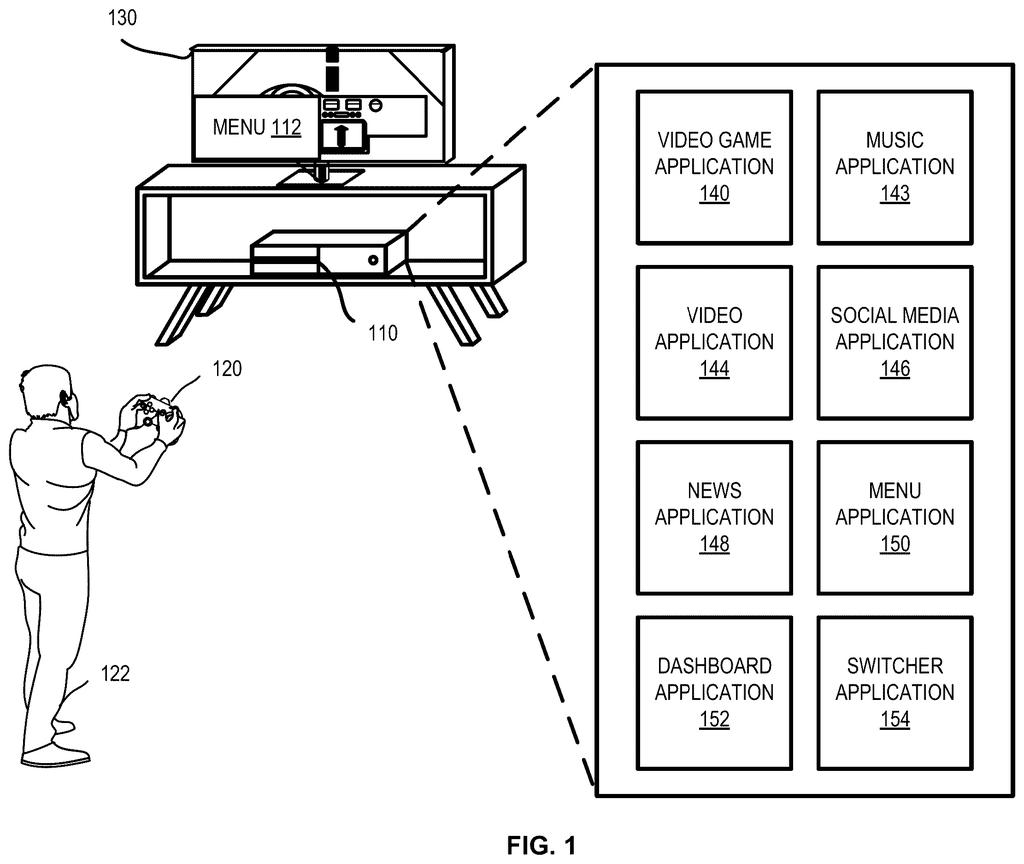
What Sony's cloud-based game editing system actually does
You're playing a game and you want to change how a character's jacket looks, but the whole game's artwork is locked inside one massive file on a server somewhere. Right now, that's mostly a problem for professional developers with special tools. Sony's patent describes a way to make that kind of editing feel more accessible.
The idea is that a cloud server can identify a specific visual element inside a game (a texture, a model, a color scheme), strip out just the data describing that element, and send only that piece to your device. You edit it locally using a game-editing app. When you're done, the server takes your changes and weaves them back into the live game asset.
The key word here is sub-asset. Instead of downloading an entire game's worth of data just to tweak one thing, the system works with a small, targeted slice. That makes the whole process lighter on your device and faster overall.
… transmitting the sub-asset data to the client device for local editing performed using a game editing application on the client device to thereby generate a modified sub-asset …
Translation: Players can download specific visual parts to their device to edit them using game tools.
How the server extracts, ships, and reintegrates asset data
The patent describes a cloud server workflow with four main steps:
- Selection: The server picks a specific asset (a visual element inside the game world) in response to a request from a client device, meaning your phone, console, or PC.
- Extraction: From that asset, the server pulls out sub-asset data (the underlying properties describing how that element looks or behaves, separate from the rest of the game's code and assets).
- Local editing: That sub-asset data travels to your device, where a dedicated game-editing application lets you modify it. Your device handles the creative work, not the server.
- Reintegration: Once you're done editing, the modified sub-asset goes back to the cloud server, which merges your changes back into the original asset so the game reflects them.
The patent's title mentions AI assistance, though the filed claim focuses on the structural pipeline rather than detailing exactly where AI intervenes. AI could plausibly help with the extraction step (figuring out which data belongs to which visual element) or with making sure a modified sub-asset fits cleanly back into the surrounding game context.
The system is explicitly server-side at the orchestration level, which means the heavy lifting of keeping game data coherent stays in the cloud while your device handles only the editing interface.
What this means for players who want to mod or customize games
For most players, customizing a game right now means either using whatever limited tools the developer built in or hoping someone in the modding community has already done the work. Sony's approach, if it shows up in a product, could lower that barrier considerably. You wouldn't need to understand how a whole game is packaged to change one thing inside it.
This is also relevant for game creators and streamers who want personalized visuals without rebuilding assets from scratch. The surgical, sub-asset approach means changes are scoped and contained, which reduces the chance that one edit breaks something else in the game. Sony has been filing around creator tools and cloud game infrastructure for some time, and this fits that pattern.
Sony's 520th filing in our Sony coverage since May adds to a run that includes pre-drawing frames and smoother router handoffs.
Whether this matters to you depends entirely on whether Sony makes it available to players or keeps it inside their own studios.
If it reaches players, the practical payoff is real: you could change a character's outfit, colors, or logo yourself, without waiting for a developer update or buying a new skin. More you would never notice the thing it prevents, which is one visual change accidentally breaking something else in the game. This approach lifts out only the piece you want to edit, lets you change it, and puts it back without disturbing anything around it.
The experience, if Sony ships it this way, would feel closer to editing a photo than anything a typical player has tried before, and that difference determines whether most people ever bother trying it at all.
There are more where this came from
We read every patent application Big Tech publishes and send you the ones worth knowing. Plain English, free, every week.
The drawings
6 drawing sheets from US 2026/0273396 A1 · click any drawing to enlarge


Want this weekly breakdown for a company we don't cover? Patentlyze Pro →