
Nvidia Patents a Vision-Language System That Spots and Reports Road Hazards Automatically
Nvidia is patenting a system that lets a vehicle's cameras and sensors automatically identify road hazards — potholes, debris, accidents — and push that information to navigation apps in real time, without a human ever filing a report.
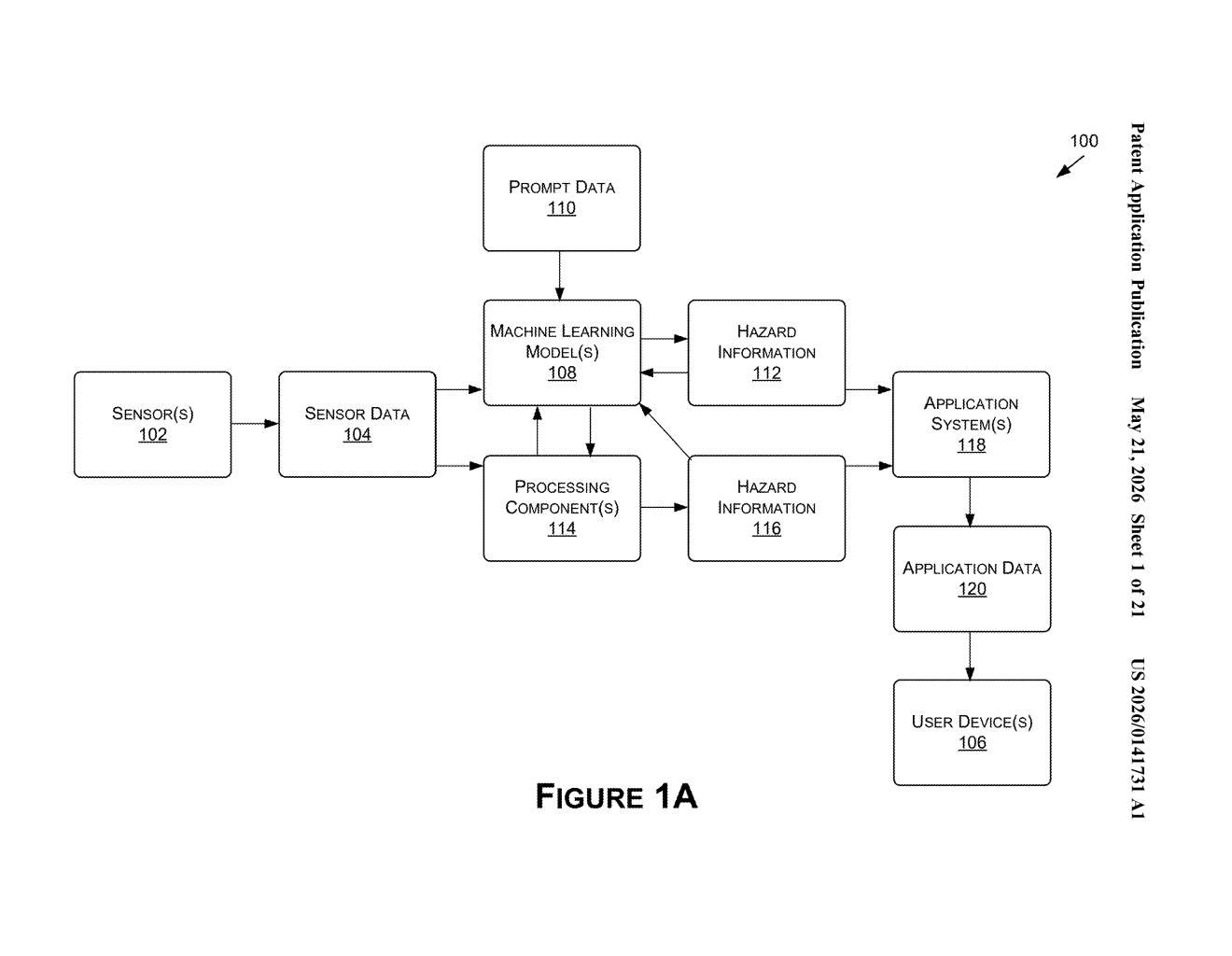
How Nvidia's AI turns dashcam footage into hazard alerts
Imagine driving down the highway when your car's cameras spot a piece of tire tread in the lane ahead. Instead of waiting for a road crew to notice it or a human to report it on Waze, your vehicle automatically identifies the hazard, figures out exactly where it is, and sends that information to a mapping service — all before you've even swerved around it.
That's essentially what Nvidia's new patent describes. A machine learning system — specifically a vision-language model, the same kind of AI that can look at a photo and describe what's in it — processes live camera and sensor feeds from a vehicle. It identifies hazards on the road and generates structured information about them: what the hazard is, where it is, and any other relevant details.
That data then gets pushed to external apps or systems — think navigation platforms or traffic services — so other drivers and autonomous vehicles can be warned automatically. It's like crowdsourced road reporting, but handled entirely by AI with no human in the loop.
How the vision-language model identifies and tags road hazards
The patent describes a pipeline with three main stages: localization, hazard detection, and reporting.
First, the system uses data from one set of sensors — likely GPS, lidar, or odometry — to pin down the vehicle's precise location within an environment. This gives any detected hazard a real-world coordinate to attach to.
Second, image data from a separate set of sensors (cameras, most likely) is fed into one or more vision-language models (VLMs) — AI models that can process visual input and produce natural-language descriptions or structured outputs. Crucially, the patent mentions prompt data being passed alongside the image data. This means the model isn't just watching passively; it's being actively asked questions like "Is there a road hazard in this image? If so, what kind and where?" That prompt-driven approach helps the model focus on safety-relevant details rather than describing the entire scene.
Third, the structured output — hazard type, location, severity, and other details — gets packaged and sent to one or more external systems. The patent specifically mentions updating applications, which points toward integration with navigation or fleet management platforms.
- Sensor fusion for precise location tagging
- Vision-language model inference on live camera feeds
- Prompt-guided hazard classification
- Automated data push to downstream mapping or safety apps
What this means for real-time mapping and autonomous driving
For autonomous vehicles and advanced driver assistance systems, the ability to detect and share hazard data without human intervention is a foundational capability. Today, most road hazard data relies on crowdsourced human reports (Waze, Google Maps) or expensive municipal road surveys. A system like this could dramatically accelerate how quickly hazard data propagates to other vehicles on the road.
For Nvidia specifically, this fits squarely into its DRIVE platform strategy — providing the AI compute and software stack that automakers and robotaxi companies build on. If vision-language models become a standard part of the in-vehicle inference pipeline, Nvidia's GPUs and software are the natural home for running them. This patent suggests Nvidia is thinking about the full loop: not just detecting the world, but acting on that detection at a network level.
This is a genuinely useful patent, not a defensive land-grab. Vision-language models are good at open-ended scene understanding, and using prompt-guided inference to focus them on road safety is a sensible application. The interesting design choice is treating hazard reporting as a network-level function — vehicles as mobile sensors feeding a shared map — which is exactly where autonomous driving infrastructure needs to go.
There are more where this came from
We read every patent application Big Tech publishes and send you the ones worth knowing. Plain English, free, every week.
Want this weekly breakdown for a company we don't cover? Patentlyze Pro →