
Samsung Patents New Chloride-Based Solid Electrolyte for Solid-State Batteries
Samsung is exploring a new family of chloride-based solid electrolyte materials — compounds built from lithium, sodium, magnesium, and chlorine — that could slot into next-generation solid-state batteries as a safer, more stable alternative to liquid electrolytes.
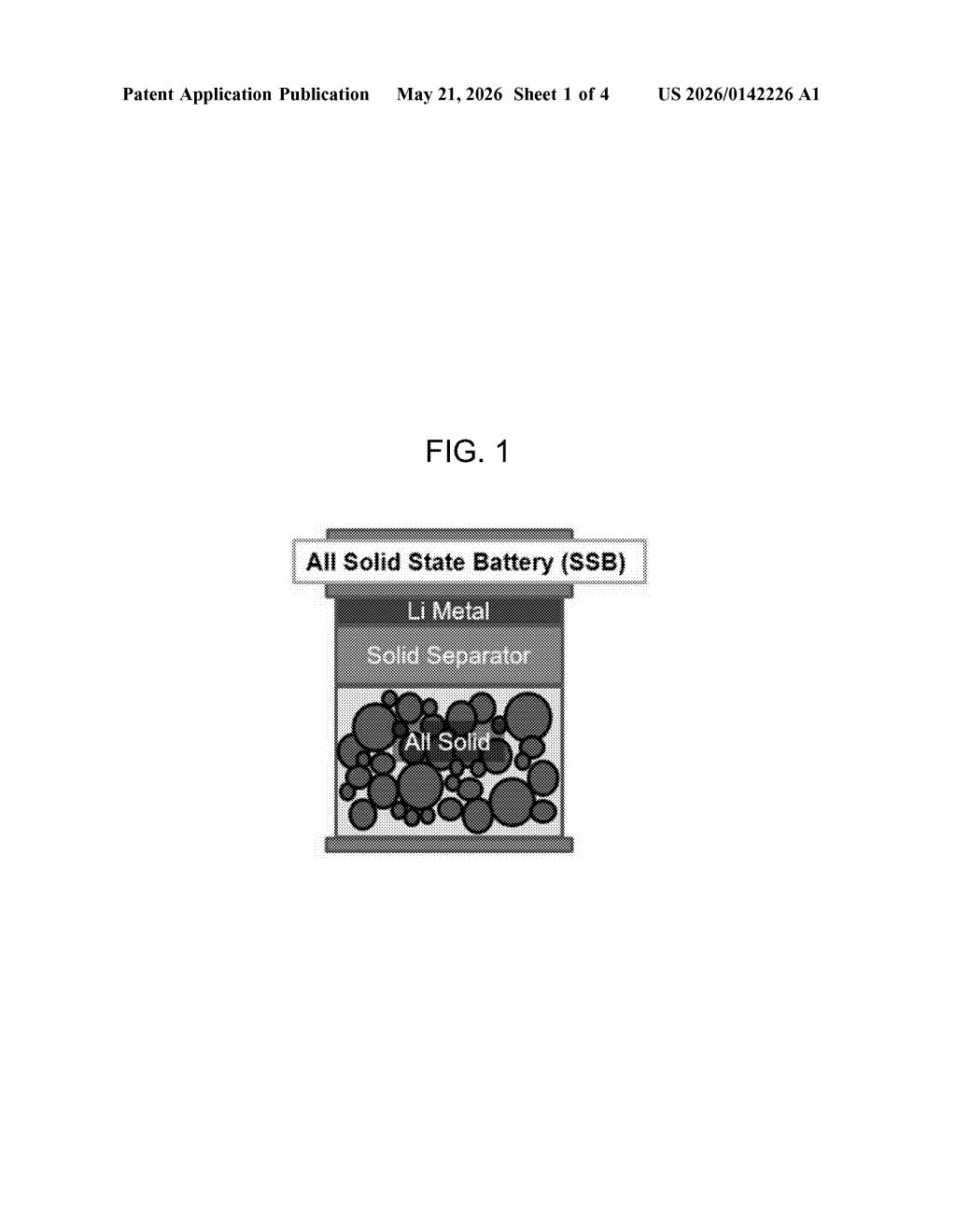
What Samsung's new chloride electrolyte actually does
Most batteries you use today — in your phone, laptop, or EV — rely on a liquid electrolyte to shuttle ions between the two electrodes. That liquid is flammable, which is why lithium-ion batteries can catch fire. Solid-state batteries swap that liquid for a solid material, making the battery fundamentally safer and potentially more energy-dense.
The tricky part is finding a solid material that conducts lithium ions well enough to be practical. Samsung's patent proposes new compounds in the Li-Mg-Na-Cl chemical space — essentially mixing lithium, magnesium, sodium, and chlorine into a crystal structure that can do the electrolyte's job. Think of it like swapping a water pipe for a carefully engineered ceramic tube that still lets the right particles flow through.
The patent describes using these compounds in several roles: as the main solid electrolyte layer sandwiched between the battery's two electrodes, as a catholyte mixed into the cathode, or as a coating on cathode particles to protect them. They can also serve as an anolyte when paired with an alloy-based anode.
How Li-Mg-Na-Cl compounds work as a solid electrolyte
The patent claims two specific parent formulas: LiNaMg₂Cl₆ and LiNaMg₃Cl₈. These are precise atomic recipes — the subscript numbers tell you the ratio of each element in the crystal lattice. By combining lithium, sodium, magnesium, and chlorine in these specific ratios, Samsung's researchers believe they've found new structures that allow lithium ions to hop through the solid material efficiently (high ionic conductivity) while keeping electrons from leaking across (low electronic conductivity — you want the ions to move, not the electrons).
The patent outlines three distinct deployment modes:
- Solid electrolyte layer: The compound sits as a dense separator between the cathode and anode, replacing the liquid electrolyte entirely.
- Catholyte / cathode coating: The compound is blended into or coated onto the cathode active material, helping ions move in and out of the cathode more smoothly and reducing interfacial resistance (the friction at material boundaries).
- Anolyte: The compound is used on the anode side, specifically when the anode is an alloy anode (e.g., silicon or tin-based) rather than traditional graphite or lithium metal.
Chloride-based solid electrolytes have attracted attention in recent years because they tend to have better electrochemical stability against high-voltage cathodes compared to sulfide-based alternatives, and they're less moisture-sensitive than some oxide-based options.
What this means for Samsung's solid-state battery race
Solid-state batteries are widely considered the next leap in battery technology — higher energy density, reduced fire risk, and potentially longer cycle life. Every major battery and electronics company is racing to find electrolyte materials that are easy to manufacture, chemically stable, and ionically conductive enough to be practical. Samsung has been one of the most active filers in this space, and this patent adds new chloride compositions to its materials portfolio.
For consumers, the near-term impact is indirect — this is fundamental materials research, not a product announcement. But patents like this represent the building blocks of future EV and consumer-electronics batteries. If Samsung can commercialize a chloride electrolyte with strong performance at scale, you could eventually benefit from phones and EVs that charge faster, last longer, and are meaningfully safer.
This is a materials-science patent filing — incremental, specialized, and unlikely to make headlines on its own. But Samsung's consistent output in solid-state electrolyte chemistry is a real signal: they're building a broad IP portfolio across sulfide, oxide, and now chloride spaces, which positions them to license or block competitors as the solid-state battery market matures. Worth tracking as part of that larger pattern, not as a standalone revelation.
There are more where this came from
We read every patent application Big Tech publishes and send you the ones worth knowing. Plain English, free, every week.
Want this weekly breakdown for a company we don't cover? Patentlyze Pro →