
Intel Files Patent for Safer Setup When Two Wi-Fi Devices Connect Directly
Intel is rewriting the opening handshake for Wi-Fi devices that talk directly to each other. It would replace a decades-old setup method that the filing itself says is slow and open to known attacks.
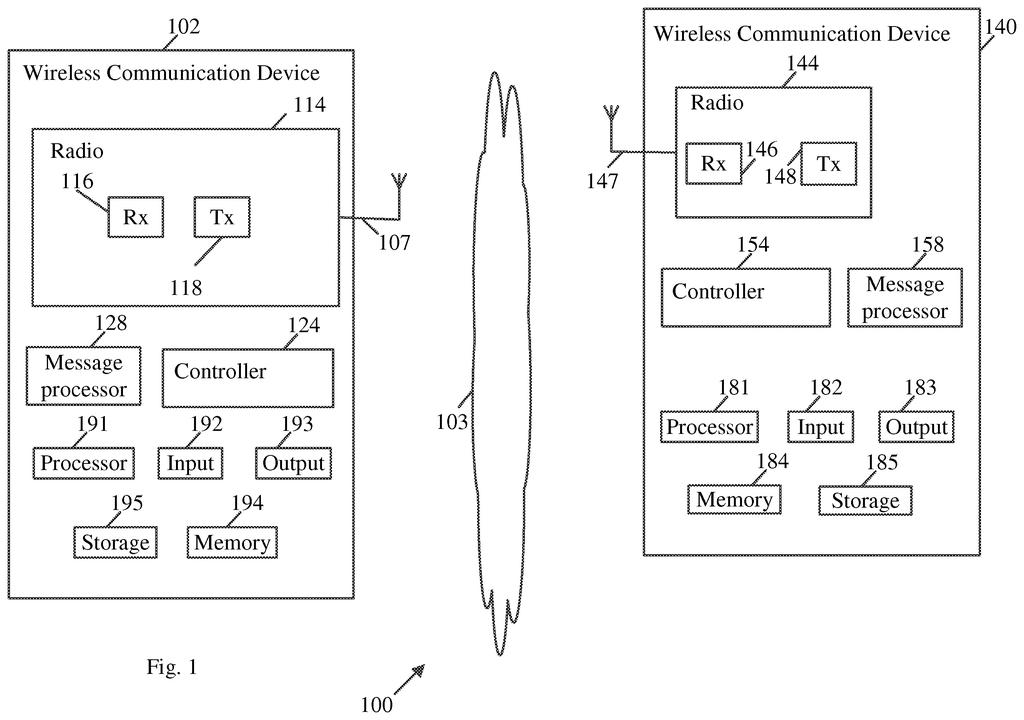
What Intel's Wi-Fi Direct pairing patent does
Today, when two gadgets link up directly over Wi-Fi, say a phone and a speaker, the setup often leans on an old system called Wi-Fi Simple Configuration. Intel's filing says it takes more than ten messages and two separate connections to finish, and it has known weaknesses, including attackers guessing the code by brute force.
This patent application describes a replacement. First, the two devices tell each other how they can pair: showing a QR code, displaying a PIN, scanning a code, tapping an NFC tag, or simply pressing a button. They settle on a method that works for both. If one device is waiting for you to do something, it can ask the other to check back in a moment.
Once paired, the devices lock down the connection using the same kind of password handshake behind modern WPA3 Wi-Fi security. The filing says that part takes just four messages.
transmit a first frame comprising first bootstrapping information to indicate one or more first pairing bootstrapping methods supported by the first wireless communication device …
Translation: The device announces which connection security methods it can support.
How two devices agree on a pairing method
The patent covers the opening conversation between two devices that want to link over Wi-Fi Direct (a standard that lets gadgets connect to each other without going through a router). Each device first sends a frame (a small packet of data) listing the pairing methods it supports: a QR code, a PIN, a passphrase, an NFC tag (the short-range chip used in contactless payments), or a plain button press.
The second device then sends a Provision Discovery request (basically, 'here is the method I picked'). The first device replies with the matching method, and they pair. If it is waiting on you to type something in, it can send a 'comeback' request asking the other device to try again shortly.
Next comes security. If pairing produced a shared password, the devices run Simultaneous Authentication of Equals (SAE, the password handshake behind WPA3 Wi-Fi security) to create a Pairwise Master Key Security Association (PMKSA, a shared secret both devices can build on). The filing says this takes four messages, versus more than ten messages and two connection setups for the old method.
With no shared password, as with a button press, the filing uses Opportunistic Wireless Encryption (OWE, which scrambles traffic without checking who is on the other end) or SAE with a default PIN. A final handshake then turns the shared secret into the encryption key.
… derive a Pairwise Master Key Security Association (PMKSA) based on a second message-exchange with the second wireless communication device, e.g., after pairing with the second wireless communication device …
Translation: The devices generate a shared security key immediately after they connect.
Why Intel's pairing fix targets old Wi-Fi setup
If you have ever fumbled through a pairing screen, the goal here is to make that step shorter and safer. The filing describes a flow where devices agree on the easiest method both support, then lock down the connection with the same password technology behind WPA3 Wi-Fi security. It also says the old setup method falls short of the security level some uses need, such as devices on the 6 GHz band.
Nothing in the filing names a product, and it builds on existing Wi-Fi standards, so it looks like groundwork for how future gadgets might link up. As with any patent application, it may never become a shipping feature. Still, a handshake with fewer messages could mean less waiting, and a stronger one could mean fewer weak spots for attackers.
Intel's 176th filing in our Intel coverage since May joins work like their VR head-turn lag fix and Mobileye's lane-paint grader in the corpus we track.
The problem here is real. The old setup method behind many Wi-Fi Direct connections is decades old, has known weaknesses to code-guessing attacks, and needs more than ten messages to finish. Pairing is something nearly everyone does, so a clumsy or weak version affects a lot of people.
The fix matches that scale. Intel reuses established Wi-Fi security pieces instead of inventing new ones, which is a sensible choice when the job is protecting a connection. The button-press path accepts a tradeoff: it scrambles traffic but does not check who is on the other end.
Most of the value would be invisible. If this works, you simply tap, scan or press, and your devices connect faster. That makes it routine plumbing, aimed at a problem big enough to deserve it.
Get our take in your Top Stories
Liked this breakdown? Add Patentlyze as a preferred source on Google, and our plain-English take shows up more often in your Top Stories the next time Intel patent news breaks.
There are more where this came from
We read every patent application Big Tech publishes and send you the ones worth knowing. Plain English, free, every week.
The drawings
7 drawing sheets from US 2026/0322873 A1 · click any drawing to enlarge


Want this weekly breakdown for a company we don't cover? Patentlyze Pro →
Be the first to weigh in