
Sony Files Patent for Gameplay Videos You Can Jump Into and Play
Ever watched a friend sail a bike over an absurd jump in a gameplay video and wished you could just try it? Sony's patent application describes a cloud system that turns that clip into a game session you can play.
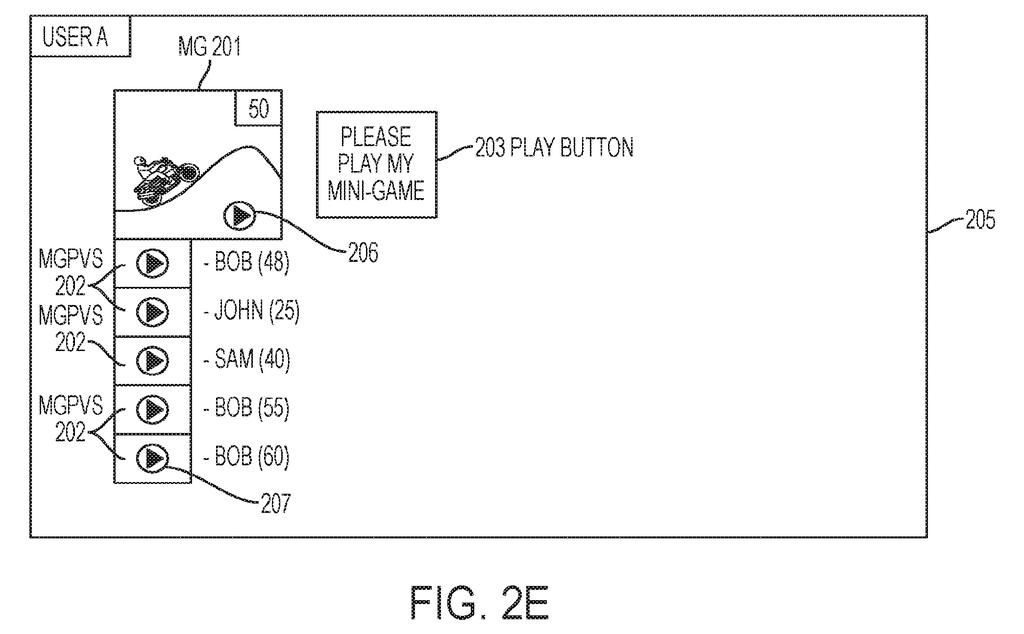
What Sony's watch-then-play game clips do
Right now, a gameplay video is just a video. You can watch a friend clear a huge bike jump, but to try it yourself you would need the game, a way to load it, and the patience to reach that exact spot. Sony's patent application aims to close that gap.
The idea: you watch a clip, hit a button, and a Sony server starts a live game session from that very moment, streaming it to your screen. You play the same stretch of action the video showed, and the game responds to your controls.
The filing also describes the clip's creator choosing a start and end point in their recording, and viewers leaving comments pinned to spots on the screen. Your attempt can then be compared with the original player's score.
… identifying executable gameplay state data based at least in part on the selection and associated with a temporal position within the gameplay media segment; instantiating an executable gameplay session using the executable gameplay state data; and causing streaming of the executable gameplay session to the client device …
Translation: The system finds the exact save point in the video and boots up a playable stream right at that moment.
How a video timestamp becomes a live game
The first claim lays out a chain of steps handled by servers:
- The servers present a gameplay media segment (a clip of someone playing).
- Your device sends back a selection tied to that clip.
- The servers find executable gameplay state data (a saved snapshot of what was happening in the game) linked to a moment in the clip.
- They start a live game session from that snapshot and stream it to you, so what you play matches what the clip showed.
The description explains where those snapshots come from. When a player pauses to add a tag, the game freezes on the current frame and its state is stored. The tag, which can be text, an image or a video clip, is pinned to a spot on that frame along with the user's ID.
A creator then marks a start and end point in the recording. The result is a mini-game with two parts: the video portion and a playable portion built from a slice of the full game's code. That slice can be pointers back to the full game instead of a new copy, and it may offer fewer controls, characters or options.
The filing adds extras: friends' comments, rankings based on tag counts, a preview image picked from the most-tagged frame, and a chart showing developers which sections drew the most reactions.
The mini-game includes a playable portion to enable view of a portion of the video recording for the mini-game and an executable portion to enable the play of game code for the mini-game that is a portion of the video game title.
Translation: Clips double as interactive demos so viewers can instantly play the exact part of the game they are watching.
What this means for sharing and game marketing
For you, the practical change is that a shared clip could stop being something you only watch. Tap it, and you are playing that moment from the cloud, and the filing says friends can do this without owning the game themselves. Every clip becomes a small try-it-yourself challenge you can compare against the original player's score.
For game makers, the filing describes a few business angles. A publisher could spot people who replay a mini-game often and send them a discount on the full title. Developers could also study which moments draw the most tags and build new games around them. It puts a try-before-you-buy layer on top of cloud streaming.
Sony's 619th filing in our Sony coverage since May adds to a pattern that includes a light-and-vibration game assistant and AI-controlled virtual concert fans.
Every viewer who taps play needs a live game session running on a Sony server, and that costs real computing power. A clip that goes viral could mean thousands of sessions starting at once, so the idea only works if the cloud can handle the crowd and the connection stays fast enough for a jump to feel fair.
The filing also admits the replay will not match the video exactly. The description says the mini-game may carry fewer controls, characters or options than the full game, and you may not land the same score as the original player. That is a fair price for a quick taste, though it could disappoint anyone expecting an exact rerun.
The trade looks worth it. A clip you can try in seconds beats a clip you can only envy. The creator has to own the full game, which keeps the whole setup tied to game sales.
Get our take in your Top Stories
Liked this breakdown? Add Patentlyze as a preferred source on Google, and our plain-English take shows up more often in your Top Stories the next time Sony patent news breaks.
There are more where this came from
We read every patent application Big Tech publishes and send you the ones worth knowing. Plain English, free, every week.
The drawings
18 drawing sheets from US 2026/0315918 A1 · click any drawing to enlarge


Show the other 10 sheets


Want this weekly breakdown for a company we don't cover? Patentlyze Pro →
Be the first to weigh in