
Intel Files Patent for Vehicle Windows That Hide a Crash Before You See It
Intel's patent application describes a train or car window that can erase an animal or person from the view just before impact, so passengers never watch the collision. The same camera system can also point out landmarks, caption scenery, and bookmark places you pass.
What Intel's crash-hiding window actually does
A train traveling above 150 km/h needs several hundred meters, sometimes a few kilometers, to stop. That is farther than its sensors can see, so a collision with something on the track can't always be avoided. Intel's filing points out that future automated trains could put more than a handful of people, including kids who love the front seat, right next to the windshield.
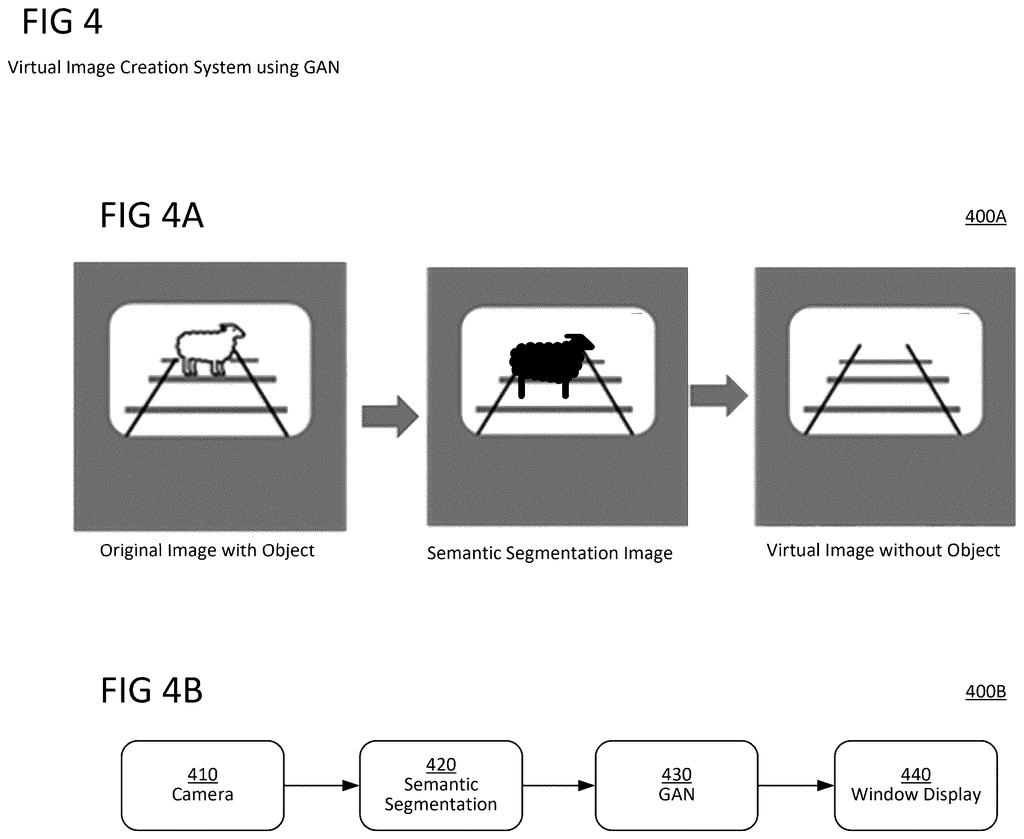
So Intel's idea is to change what you see rather than what happens. Cameras watch the road ahead, and if a crash looks likely, the window either goes opaque or shows a live video of the scene with the object removed.
The same setup has a gentler side. It can highlight a landmark, add a caption, zoom in for a passenger with poor eyesight, or save a place you pass as a bookmark.
… receive image data in real-time of a surroundings of a vehicle; processing circuitry configured to: identify a point of interest within the received image data; generate modified image data …
Translation: It takes live video outside the car and alters it based on specific things happening.
How Intel's system erases an object from the view
The core claim is simple: a device takes in live camera images of a vehicle's surroundings, picks out a point of interest, edits the image around it, and sends the edited version to a passenger's display.
The crash-hiding version works in steps. The system classifies the object (person, animal, vehicle), predicts its motion, and estimates the odds and severity of a collision. If those pass a set threshold, it edits the view. It can also use map data and information such as whether a rail crossing barrier is closed.
The edit can take three forms:
- Remove the object from the image.
- Move the object somewhere it won't be hit.
- Turn part of the window opaque with an electric signal.
Head-tracking sensors estimate each passenger's field of view (what they can actually see from their seat), so only the part of the window that matters is changed. The filing describes using an image-generating AI (a generative adversarial network) to fill in the empty space where the object was, at 25 to 30 frames per second.
The point of interest can also be something pleasant, such as a historic building or a tree. The system picks it based on a passenger's profile, speech, or emotion, then highlights it, captions it, reads it aloud, bookmarks it, or shares it with another passenger.
Why Intel's window idea reaches past trains
If a system like this ever shipped, the first places you'd notice it are trains, robotaxis, and self-driving cars where nobody needs to watch the road. The filing says the same trick could cover windows near accident scenes, so rubbernecking passengers can't film. Note that for a truck collision the system would not bother, since passengers would feel the impact anyway.
The patent office's first review rejected the claims as filed, which is routine and usually followed by amendments. Nothing here says Intel is building this. It does show how much of the passenger experience in a driverless vehicle could run through the window.
Intel's 185th filing in our Intel coverage since May adds to a thread that includes controlling AI training access in 5G and smarter power decisions for cell towers.
The problem is real but rare. Crashes with animals and people on train tracks do happen, and the filing's argument that witnesses, including children, can be traumatized is fair. But a train that can't stop in time is a small share of all travel, so a whole window-editing system is a big answer to a narrow problem.
The scenery features are the opposite: a huge audience, with a modest payoff. A child asking what kind of tree that is, or an older passenger who needs a zoomed view, is an everyday need, and Intel's answer is reasonable.
Verdict: the crash-hiding part is the headline, but the scenery part is more likely to touch your life. And editing reality on the fly raises a question the filing skips, which is whether passengers would want to know the view had been changed.
Get our take in your Top Stories
Liked this breakdown? Add Patentlyze as a preferred source on Google, and our plain-English take shows up more often in your Top Stories the next time Intel patent news breaks.
There are more where this came from
We read every patent application Big Tech publishes and send you the ones worth knowing. Plain English, free, every week.
The drawings
11 drawing sheets from US 2026/0330716 A1 · click any drawing to enlarge


Show the other 3 sheets


Want this weekly breakdown for a company we don't cover? Patentlyze Pro →
Be the first to weigh in