
Intel Files Patent to Help Cell Towers Learn Which Phone Transfers Actually Save Power
When a cell tower powers down to save electricity, it hands your phone to a neighbor and hopes that was the right call. Intel's filing sets up a way for the neighbor to report back.
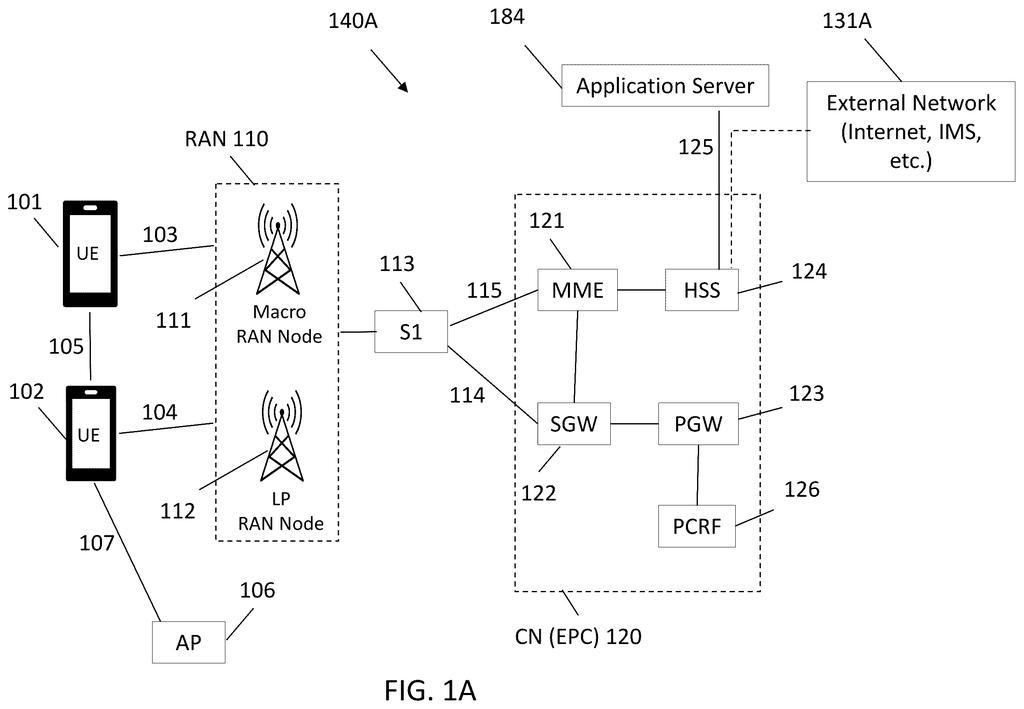
What Intel's tower-to-tower feedback loop does
Imagine you're watching a video on your phone and the cell tower serving you decides to switch into a low-power mode to save electricity. It can't carry as much traffic that way, so it hands your phone over to a neighboring tower.
Here's the catch: the first tower has to guess whether passing you along was a smart move. Intel's filing has the neighboring tower send regular check-ins on how things went, such as how busy it is and how much power the move really saved. The first tower feeds those reports into an AI model so its next guess is better.
To keep all that chatter from becoming its own power drain, the neighbor stops reporting once the reports stop being useful, for example when your phone goes idle or gets passed along to yet another tower.
transmit, to a target NG-RAN node, a handover request to handover at least one user equipment (UE) due to at least one of entry of the source NG-RAN node into a power saving state or mobility optimization; …
Translation: Cell towers pass your phone to another tower when going to sleep.
How the neighbor tower knows when to stop reporting
In a cell network, a base station (the tower equipment your phone talks to, called an NG-RAN node in the filing) can drop into a low-power state when traffic is light. The phones connected to it, called user equipment or UE, get handed to a neighboring station. The claims cover both sides of that handoff.
The source station sends a handover request to the target station. After the handoff, the target sends back periodic feedback about the phone's status, and the source uses it to train an AI/ML energy saving model (a program that learns from past results which power-saving moves to make). The feedback can include:
- Current cell capacity
- Average cell throughput (data moved per second)
- Available resources
- Energy saving observed at the target
A second independent claim covers the target's job: stop sending reports once a feedback stop parameter is met, whichever comes first among these:
- The predicted time the source stays in power saving
- The predicted time for a phone to connect to the target
- A set percentage of handed-over phones that go idle or inactive
- A set percentage handed on to yet another station
The filing also describes sharing energy efficiency (bits per joule) as a low, medium or high range, since vendors may not want to reveal exact figures.
… transmits a relative energy efficiency value of Bits per Joule and periodic feedback related to a status of the UE for training an AI/ML energy saving model …
Translation: The receiving tower reports power efficiency data back to train an AI model.
Why greener cell towers could matter to your signal
Keeping towers running takes power, and putting some of them to sleep is one way carriers cut that. The risk is coverage: the filing says poor AI predictions can mean smaller savings or even lost network coverage. Better feedback is meant to make those guesses safer, so towers can sleep more often without leaving you with a weak signal.
You would never see this directly. It lives in the messages towers swap with each other, and it would reach you only as a carrier's lower power use and, if it works, fewer coverage surprises. The text also names a practical hurdle: equipment makers may not share exact efficiency numbers, so the filing proposes a simple low, medium or high label instead.
Intel's 183rd filing in our Intel coverage since May adds to a body of work that includes a map-gap fix for self-driving and an AI chip audit application.
Nothing here needs new hardware. The patent adds a few fields to messages that cell towers already send each other when they pass a phone along, so in principle a software update on the tower could carry it.
The hard part is agreement. Towers from different makers have to speak the same language, which means the idea has to be adopted into the shared industry rulebook for mobile networks (the 3GPP standards, which the filing's own text targets) before it reaches any real network. The shortest path to a product runs through that rulebook and then through each equipment maker's software.
Even then, you would not see a new feature on your phone. You might see a carrier that spends a little less on electricity and fewer coverage gaps when towers power down. That is a modest payoff, and a believable one.
Get our take in your Top Stories
Liked this breakdown? Add Patentlyze as a preferred source on Google, and our plain-English take shows up more often in your Top Stories the next time Intel patent news breaks.
There are more where this came from
We read every patent application Big Tech publishes and send you the ones worth knowing. Plain English, free, every week.
The drawings
7 drawing sheets from US 2026/0333215 A1 · click any drawing to enlarge


Want this weekly breakdown for a company we don't cover? Patentlyze Pro →
Be the first to weigh in