
Microsoft Files Patent to Stop Searches That Are Doomed to Come Up Empty
Some searches are doomed before they start, because one odd word pairing matches nothing in the index. Microsoft describes a way to spot that early and rewrite the search before it runs.
What Microsoft's empty-search fix actually does
Today, a search engine often has to run the full search before it finds out your words match nothing. Even when it tries fixes, like correcting a typo or swapping in a synonym, there is no guarantee the fixed version will turn up results either.
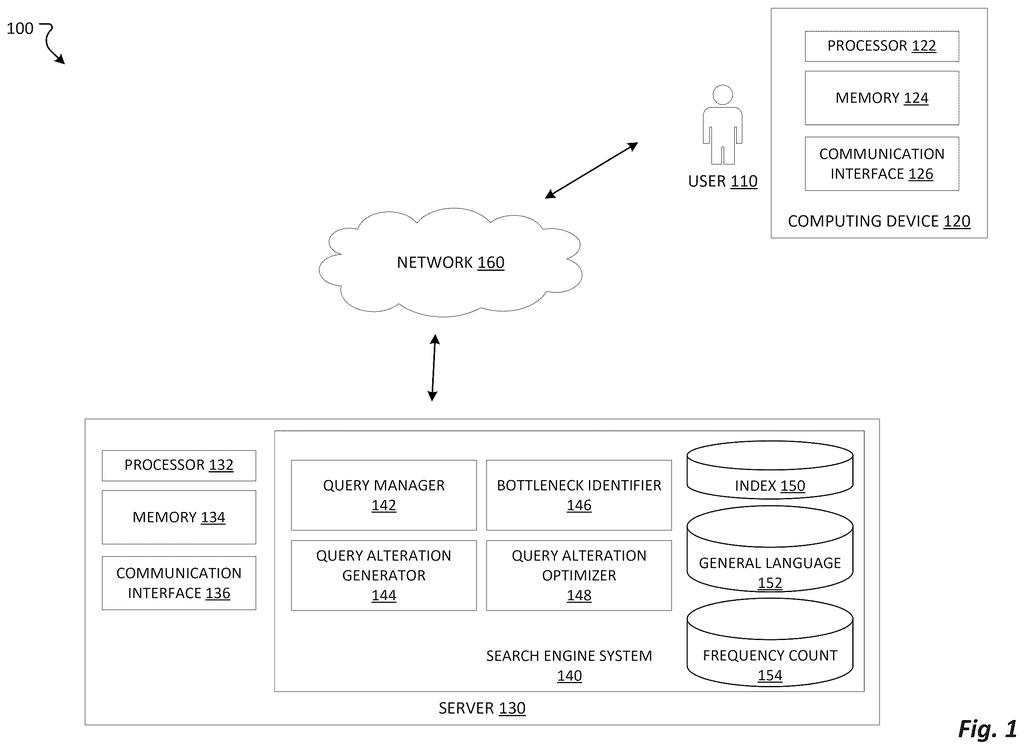
Microsoft's patent application describes a shortcut. The system keeps track of which words and phrases have shown up in past searches that actually returned something. If your search includes a combination that hasn't, it flags that piece as a bottleneck and favors rewrites that drop it. The filing's own example: in "json xl print," each word is common, but "json xl" never appears together in the index, so the search becomes "json xml print."
The goal is to spend effort only on versions of your search that are likely to work, so you land on results instead of a blank page.
… update the index-based language model by updating confidence scores associated with the query alteration candidates …
Translation: The system learns from past searches to make better guesses next time.
How the system spots a word pair that never hits
The method starts the way most search tools do. It takes your search and generates alteration candidates, which are alternate versions of it, using an index-based language model (a model trained on what the search engine's database actually contains, plus general language data). Candidates can add, remove, replace or correct terms.
Then comes the new part. The system checks each word and phrase in your search against a frequency count: how often that term appeared in past searches that returned results. If the count does not exceed a set threshold (the filing says the threshold could be zero), the term is marked as a bottleneck term. Phrases count too, so two common words can still be flagged as a pair.
When a bottleneck is found, the system picks candidates that leave the bottleneck term out, and it checks that they don't introduce a new one. It then adjusts the model's confidence scores:
- Raised for candidates that remove the problem without creating another.
- Lowered for candidates that keep the problem or add a new one.
Only the best-scoring candidates (the filing gives top five as an example) are searched. Counts are then updated from the version that returned results. If no candidate fixes the problem, the filing describes telling you which term is the culprit.
Why fewer dead-end searches matter to you
If this works, you would see fewer search pages that say nothing matched, especially when your wording is odd, over-specific or a little off. Instead of a dead end, you would get results for the closest version of your search that actually exists in the index. When no fix works, the filing describes telling you which term caused the problem.
For Microsoft, the savings are mostly behind the scenes. The filing says sending fewer hopeless variations to the search system saves capacity, measured in queries per second. The examiner's first review rejected the claims as filed, which is routine at this stage and usually followed by amendments.
Microsoft's 554th filing in our Microsoft coverage since May joins earlier applications on auto-titled meeting recordings and smarter search answer formats.
You would only notice this feature on the searches that would otherwise fail: the typo, the overly specific phrase, the two words that never sit together on any page. Those are small moments, but a blank results page is one of the most irritating things a search box can do. Turning it into a useful answer is a real improvement for the person typing.
The filing's own example makes the idea easy to trust. Spotting that "json xl" never appears anywhere and nudging it to "json xml" is what a patient human helper would do. Most of the payoff lands on Microsoft's side as saved computing, and you benefit only if that saving goes toward better answers.
The idea is modest, but the benefit is concrete. If it ships you would likely never see it. You would just see fewer empty pages.
Get our take in your Top Stories
Liked this breakdown? Add Patentlyze as a preferred source on Google, and our plain-English take shows up more often in your Top Stories the next time Microsoft patent news breaks.
There are more where this came from
We read every patent application Big Tech publishes and send you the ones worth knowing. Plain English, free, every week.
The drawings
7 drawing sheets from US 2026/0329858 A1 · click any drawing to enlarge


Want this weekly breakdown for a company we don't cover? Patentlyze Pro →
Be the first to weigh in