
Adobe Patents a Context-Aware Query Rewriter That Routes Requests to the Right AI Model
When you're mid-conversation with an AI assistant and type something vague like 'make it shorter,' the system has to figure out what 'it' means — and then decide which AI model is even equipped to handle the job. Adobe's new patent tries to solve both problems at once.
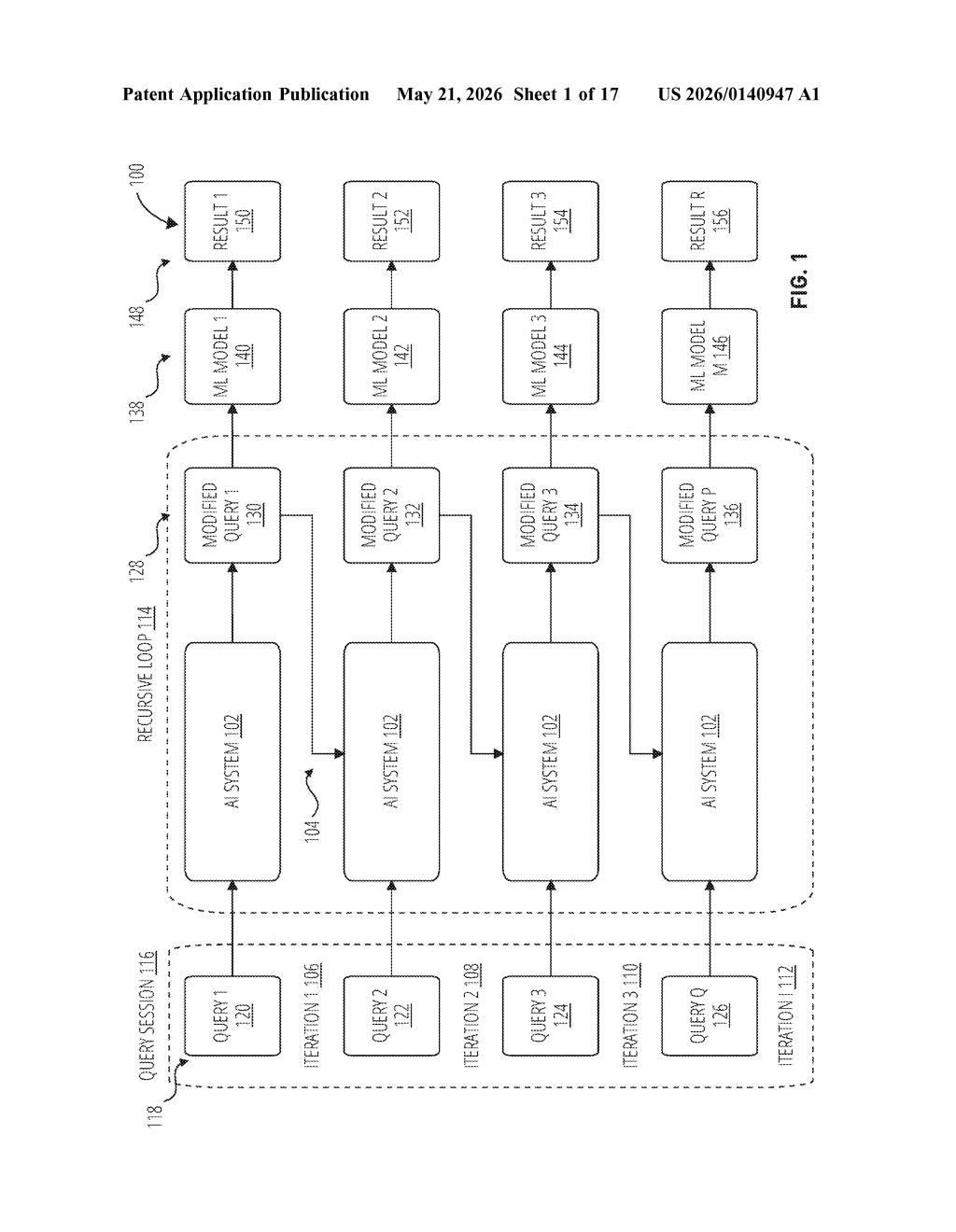
What Adobe's query rewriting and intent routing actually does
Imagine you're chatting with an AI creative assistant inside Photoshop or Acrobat. You say, 'Now make it more colorful.' The AI has to do two things: figure out what 'it' refers to from earlier in the conversation, and then decide whether to hand your request off to an image model, a text model, or something else entirely. Without that kind of context-awareness, AI assistants give you frustratingly wrong or generic answers.
Adobe's patent describes a system that tackles both steps in sequence. First, it checks whether there's enough prior conversation context to meaningfully rewrite your vague query into a more precise one. If there is, it rewrites it. Then it analyzes the rewritten query to detect your intent — what type of task you actually want done — and uses that to pick the right AI model from a pool of available ones.
The result is a kind of intelligent traffic controller sitting in front of Adobe's AI tools. Instead of every query going to a one-size-fits-all model, your request gets cleaned up and then sent to the model best suited to handle it.
How Adobe's system rewrites queries before picking an ML model
The patent describes a multi-stage pipeline with four main components working in sequence:
- Context detection module: Looks at the conversation history around your query and extracts relevant context — things like what document you're working on, what was said previously, and what objects or elements were referenced.
- Query modification module: Takes that context and rewrites the original (potentially ambiguous) query into a self-contained, unambiguous version. Critically, the system first checks whether there's sufficient context to make a meaningful rewrite — if not, it passes the query through as-is.
- Intent module: Analyzes the now-modified query and classifies its intent type (think: generate image, summarize text, edit layout, answer a factual question, etc.).
- Routing module: Uses that intent classification to select the most appropriate machine learning model from a pool of candidates, then dispatches the modified query to it.
The key architectural insight here is that query rewriting and intent detection are done jointly — the rewritten query feeds directly into intent classification, meaning the intent signal is cleaner because it's based on a disambiguated version of what you actually meant. This is distinct from systems that detect intent on raw, unmodified input first and rewrite second (or not at all).
The patent covers multi-model environments (labeled ML Model 1 through M in the filing's diagrams), suggesting this is designed to orchestrate across a heterogeneous set of specialized models rather than routing to a single general-purpose LLM.
What this means for Adobe's AI assistant ambitions
Adobe has been aggressively building out its Firefly AI ecosystem, which now includes models for image generation, vector graphics, video, and text effects — all separate, specialized systems. A routing layer that can intelligently dispatch your natural language requests to the right model without you having to think about which one is which would be a significant quality-of-life improvement for creative professionals using tools like Photoshop, Premiere, or Acrobat.
For you as a user, this is the difference between an AI assistant that feels coherent across a long work session and one that loses the thread every time you type something ambiguous. The broader industry implication is real too: as companies like Adobe accumulate more specialized AI models, smart orchestration infrastructure becomes just as important as the models themselves.
This is unglamorous but genuinely important plumbing for any company running a multi-model AI product. Adobe isn't trying to build a better foundation model here — they're trying to build better wiring between the ones they already have. Given how fragmented Firefly's model lineup is, a patent like this is a signal that Adobe is thinking seriously about the orchestration layer, which is exactly where real-world AI product quality is won or lost.
Get our take in your Top Stories
Liked this breakdown? Add Patentlyze as a preferred source on Google, and our plain-English take shows up more often in your Top Stories the next time Adobe patent news breaks.
There are more where this came from
We read every patent application Big Tech publishes and send you the ones worth knowing. Plain English, free, every week.
Want this weekly breakdown for a company we don't cover? Patentlyze Pro →