
Sony Files Patent for 3D Screens That Flash Their Backlight to Cut Ghosting
Sony's filing describes a 3D screen that stays dark while its pixels are still changing, then flashes its backlight only once the picture has settled. The company says that cut ghosting between the two eyes' images by 50 percent in its own tests.
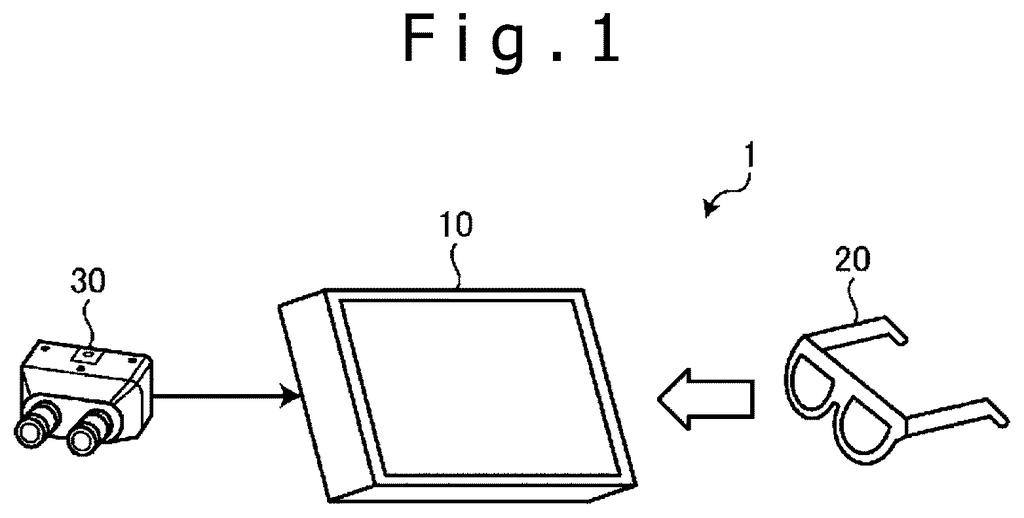
What Sony's 3D backlight timing trick actually does
A surgeon leans over a monitor, wearing polarized 3D glasses, watching a live camera feed from inside a patient. If the left-eye picture bleeds into the right-eye picture, the image gets a faint double edge, and fine detail is harder to judge.
That bleeding is the problem Sony is tackling. A screen has to swap between left and right images very fast to avoid flicker, but the pixels can't change instantly. So for a moment, you're seeing a mix of both pictures.
Sony's idea is to keep the backlight off while the pixels are still changing, then switch it on only after they have settled. A second layer that flips the light's polarization (the property your 3D glasses filter on) changes in step with the backlight. You see only clean images, one eye at a time.
… a retarder panel configured to switch a phase of light to pass through the retarder panel between a first phase and a second phase; …
Translation: A special layer alters the light phase to help separate left and right eye images.
How Sony times the backlight, panel and filter
The filing covers a 3D display built from three layers plus a controller: a backlight, a base panel (an ordinary liquid crystal screen that shows the left and right images in alternation), and a retarder panel (a layer that flips the light between two polarization states, which is what polarized 3D glasses use to tell the eyes apart).
The key rule is about timing. The controller waits after each new frame starts for about as long as the base panel needs to finish changing its pixels. Only then does it switch the backlight on, and it keeps it on until the next frame's writing begins. The retarder panel flips its state to match the moment the backlight turns on.
The filing describes several refinements:
- Blanking period: extra hold time added to each frame (turning 240 Hz into 180 Hz) so the pixels get longer to settle. Sony reports half as much crosstalk at 180 Hz as at 240 Hz in the same device.
- Split backlight: the backlight is divided into zones, lit in sequence to follow the top-to-bottom scan of the screen.
- Overdrive plus dimming: the panel avoids its slowest brightness ranges, and the backlight makes up the difference.
Because the backlight is on for only part of each frame, it runs brighter during that window to keep the picture from looking dim. In one example it is lit for a quarter of the frame at four times the average brightness.
The control unit causes the backlight to emit light during a time period from a time point at which a time period corresponding to a response speed of the base panel has elapsed from a start timing of a frame period based on the image signal to a writing start timing in a next frame period, …
Translation: The system carefully times the backlight flashes to wait until the pixels finish shifting.
Why Sony's 3D display fix matters for surgeons
If you wear 3D glasses at work, this matters because the filing's motivating example is medical video, where higher resolution is needed and the older fixes fell short. Cleaner left and right images mean less eye strain and sharper depth, which counts during long procedures.
The approach also works with existing parts: standard LCDs, LED backlights and polarizing glasses. That suggests it targets professional 3D monitors rather than a new consumer technology. The tradeoff is a more complex backlight and tighter timing control.
Sony's 101st patent in our Display coverage since May follows filings like one on motion in camera images and one on pixel-separating walls.
Sony's patent is almost entirely a software and timing trick. The screen, the backlight, and the polarizing layer that separates left-eye from right-eye images all exist in hardware today; what this filing actually claims is the precise sequence in which a controller switches them on and off.
That makes the distance to a real product short. The main work is calibrating the timing to match each panel's natural response speed, and the document's own surgical video example points clearly at the first likely destination: professional monitors where image accuracy justifies the cost and the glasses.
Consumer 3D is a tougher sell, and cleaner switching alone does not change that appetite. This matters most to specialized buyers who already need it.
Get our take in your Top Stories
Liked this breakdown? Add Patentlyze as a preferred source on Google, and our plain-English take shows up more often in your Top Stories the next time Sony patent news breaks.
There are more where this came from
We read every patent application Big Tech publishes and send you the ones worth knowing. Plain English, free, every week.
The drawings
16 drawing sheets from US 2026/0351206 A1 · click any drawing to enlarge


Show the other 8 sheets


Want this weekly breakdown for a company we don't cover? Patentlyze Pro →
Be the first to weigh in