
Samsung Patents a Frame-by-Frame Display Brightness Self-Correction System
Samsung is filing patents on displays that essentially check their own work — measuring voltage at the pixel level every frame and nudging the brightness correction before the next image even appears.
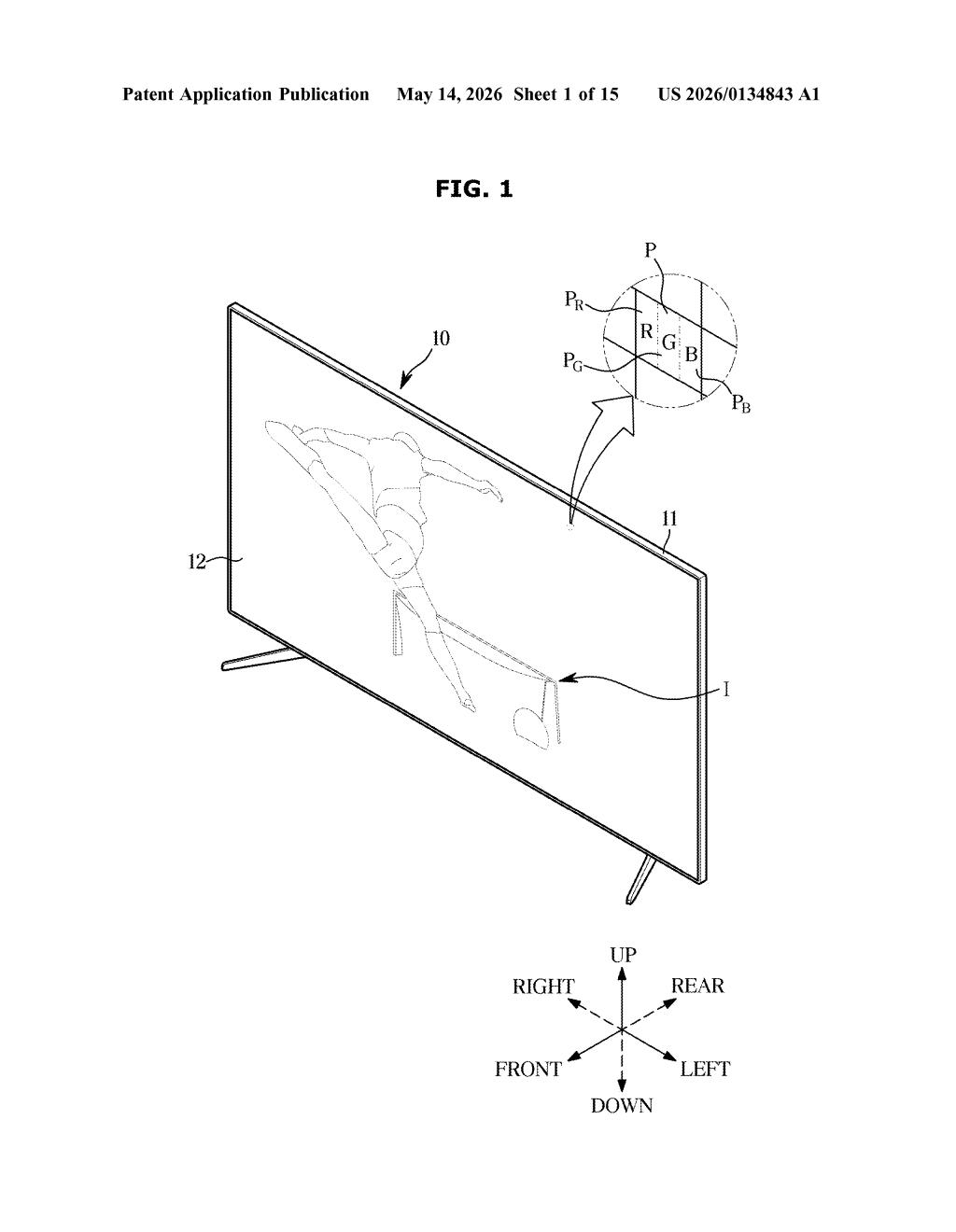
What Samsung's pixel voltage feedback loop actually does
Imagine a dimmer switch that slowly drifts over time without you touching it. That's what happens inside OLED and LED displays: the light-emitting components age unevenly, and pixels that were once identical start outputting different brightness levels. You might not notice it right away, but over months or years, the screen can develop faint gradients or uneven patches.
Samsung's patent describes a system where the display actively monitors itself as it runs. While showing you one frame, it reads a voltage signal from the pixel's cathode (the output terminal of the light emitter) and compares it to what the voltage should be for that brightness level. If there's a gap between expected and actual, the display uses that gap to fine-tune the driving current for the very next frame.
It's a closed feedback loop baked right into the display controller — no user input needed, no factory recalibration required. The screen quietly corrects itself, frame after frame.
How the cathode voltage drives the next frame's correction
The patent describes a controller that operates on a per-frame basis across two sequential image frames:
- Frame 1 (measure): The controller drives the light emitter with a current determined by that frame's image data. Simultaneously, it samples the feedback voltage at the cathode — the output node of the light emitter — which reflects the actual electrical behavior of the pixel at that moment.
- Comparison: That measured feedback voltage is compared against a reference voltage corresponding to the same image data. The reference voltage represents what the cathode voltage should look like for a healthy, properly performing pixel at that brightness level.
- Frame 2 (correct): In the immediately following frame, the driving current is adjusted based on both the new frame's image data and the voltage difference (delta) computed in Frame 1. If the pixel ran slightly dim, the current nudges up; if it ran bright, it nudges down.
The key insight is the one-frame latency feedback loop — the correction is applied to the next frame, not the current one, which avoids feedback instability. This kind of real-time compensation is especially valuable for OLED panels, where individual pixel aging causes gradual brightness drift that fixed lookup tables can't fully address.
What this means for OLED burn-in and display longevity
OLED display degradation — burn-in, uneven aging, brightness drift — is one of the most persistent quality complaints about premium screens, from smartphones to large-format TVs. A self-correcting feedback loop operating at the frame level means the display is constantly compensating for the exact state of its own hardware right now, not relying on aging correction curves written at the factory.
For you as a consumer, this could mean displays that stay visually consistent longer, reducing the gradual color and brightness unevenness that creeps into heavily used screens. For Samsung, which ships OLED panels into TVs, phones, and monitors, embedding this in the controller silicon rather than relying on software calibration is a meaningful manufacturing and quality differentiator.
This is exactly the kind of unglamorous display engineering that separates good panels from great ones over a three-year ownership cycle. It's not a new screen technology — it's a smarter controller loop for the screens Samsung is already shipping. That makes it genuinely useful, and the frame-level latency design shows real engineering care rather than a paper patent.
There are more where this came from
We read every patent application Big Tech publishes and send you the ones worth knowing. Plain English, free, every week.
Want this weekly breakdown for a company we don't cover? Patentlyze Pro →