
Sony Patents a System That Auto-Corrects Screens Before a Re-Photo Is Taken
If you've ever photographed a screen and ended up with washed-out colors or ugly glare, Sony is working on a fix — one that corrects the display itself before the shot is even taken.
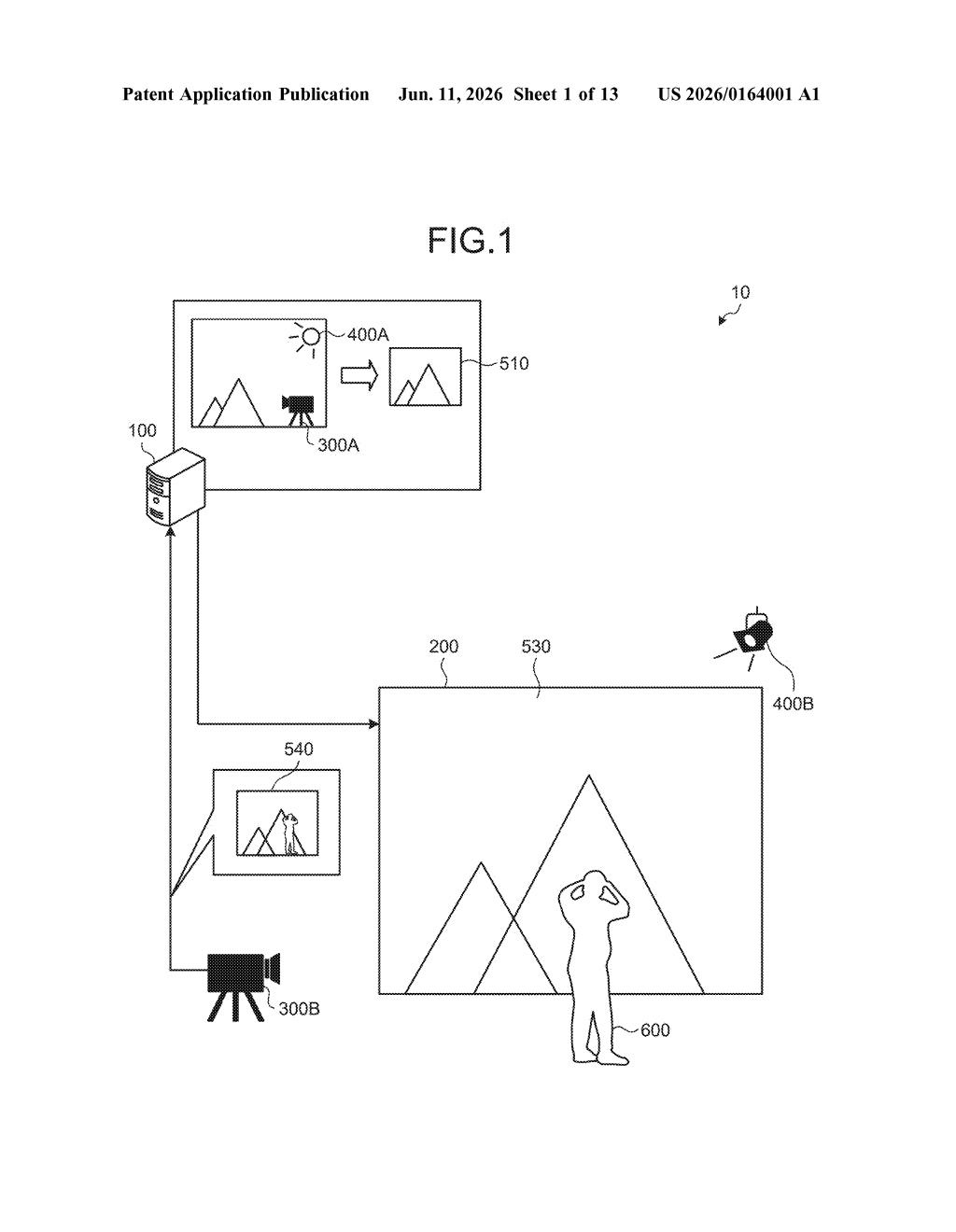
What Sony's display correction for re-photography actually does
Imagine you're a photographer tasked with shooting a product image that's being displayed on a large screen in a showroom. The lighting in that room — overhead fluorescents, windows, colored walls — changes how the image on screen actually looks in your camera. What you capture rarely matches what the screen is truly showing.
Sony's patent describes a system that figures out exactly how a specific room is distorting the image and then adjusts what the screen displays to compensate. It does this by comparing how a test image looks when photographed in a neutral setting versus how that same image looks when photographed inside the real environment. The difference between those two shots becomes a "correction coefficient" — essentially a recipe for fixing the color and brightness before your camera fires.
The end result is that when you photograph the corrected screen, what you capture should look much closer to what was originally intended — not a washed-out, color-shifted version shaped by whatever room you happen to be in.
How Sony calculates the environment correction coefficient
The system works in two phases. First, it captures a known reference image (called the "first image") by photographing a test display under controlled or baseline conditions — think of this as a calibration shot taken before any environmental variables come into play.
Then it photographs the same display image again inside the actual target environment — a studio, store, or broadcast set — to produce a "second image." By comparing these two shots pixel by pixel, the system calculates a correction coefficient (essentially a per-pixel or per-channel adjustment factor) that quantifies how the environment is distorting the display's appearance.
Once that coefficient is known, any subsequent image the client wants to show on that display — the "re-photographing image" — is pre-corrected before it's sent to the screen. The screen essentially shows a pre-distorted version of the image, engineered so that the camera in that specific room captures something that looks accurate and true-to-intent.
The control unit (the processing core of the device) handles all of this math automatically, removing the need for a human to manually color-grade or retouch images after the fact. The correction is baked in upstream.
What this means for studios, retail, and digital signage
This patent is squarely aimed at professional use cases: product photography on digital displays, broadcast backdrops, retail signage, or any workflow where a screen is the subject of a camera. If you've ever worked in a photography studio or a TV production environment, you know how much time gets spent in post-production fixing color casts caused by room lighting — this system moves that correction to before the shutter clicks.
For Sony, which makes both professional displays (like its Bravia and Crystal LED lines) and imaging equipment (Alpha cameras, cinema cameras), a system that ties these two product families together in a smarter workflow has obvious commercial appeal. It could reduce production costs and improve consistency in environments like virtual production stages, where screens and cameras already work very closely together.
This is a quiet but practical patent — it solves a real, expensive problem in professional imaging without requiring any new hardware. The clever part is that correction happens on the display side, not in post-processing, which is the right place to fix it. For Sony's virtual production and broadcast customers, this kind of calibration automation could genuinely save hours per shoot.
There are more where this came from
We read every patent application Big Tech publishes and send you the ones worth knowing. Plain English, free, every week.
Want this weekly breakdown for a company we don't cover? Patentlyze Pro →