
Sony Files Patent for Tying Player Comments to Specific In-Game Play Units
Sony is patenting a way to attach player comments not just to a game session, but to a precise unit of gameplay — think of it like leaving a sticky note on a specific moment rather than the whole movie.
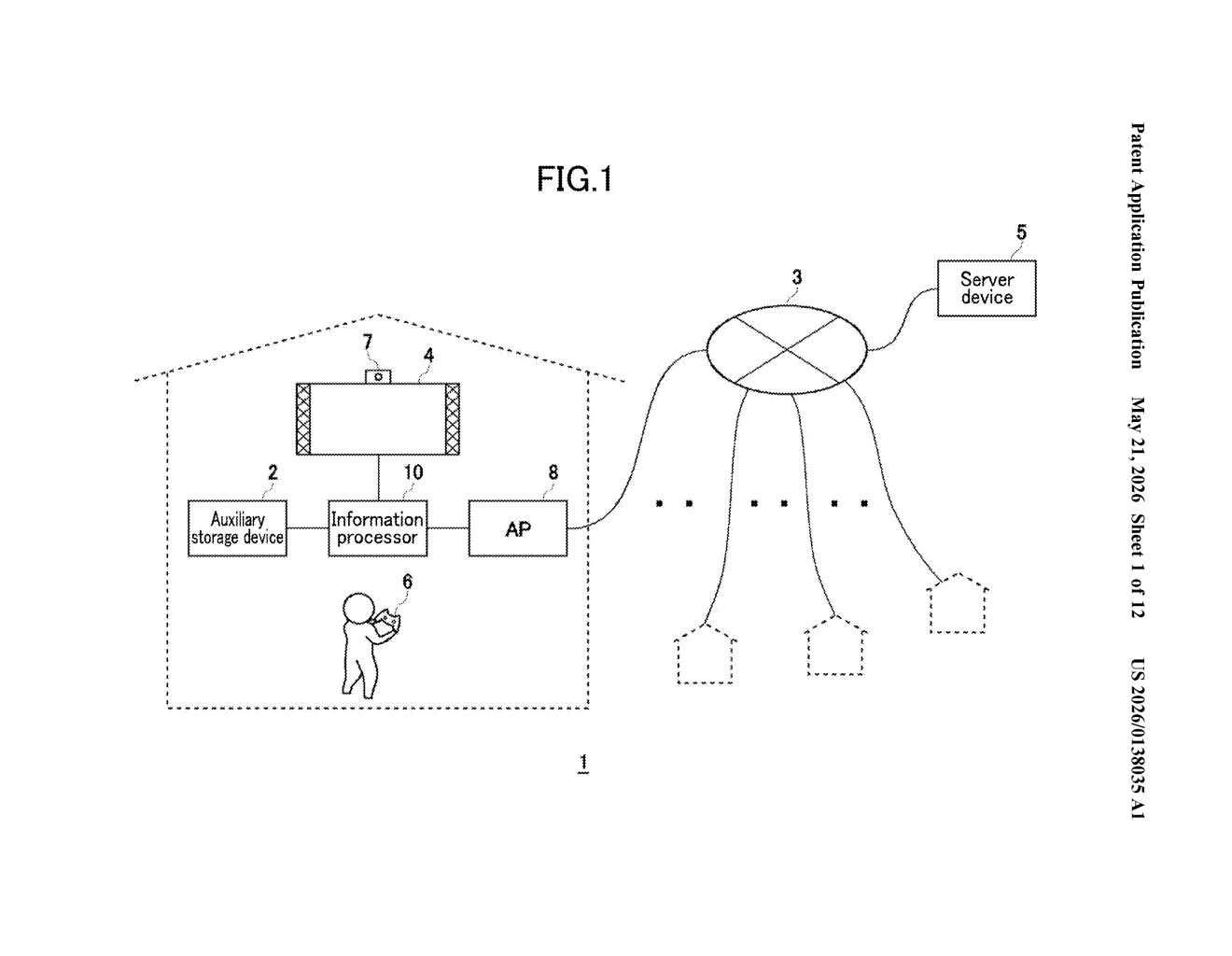
What Sony's play-unit comment system actually does
Imagine watching a friend play a tough boss fight and wanting to comment on that specific encounter, not just the session in general. Right now, most gaming social features treat a play session as one big blob — your message goes to the stream or the activity feed, but loses its connection to the exact moment that triggered it.
Sony's patent describes a system where your comment gets bundled with metadata that identifies the specific play unit — a discrete chunk of gameplay like a level, a match, or a challenge — when it's sent to a server. That means the platform knows exactly what you were reacting to, not just when.
The practical upside: comments could be sorted, surfaced, or replied to in context. If ten players all struggled with the same puzzle and left comments, the system could recognize that and group their reactions around that play unit — making social feedback more meaningful and searchable.
How the apparatus tags and sends play-unit metadata
The patent describes an information processing apparatus — most likely a console or companion app — with processors that handle two core tasks:
- Comment reception: The system captures a comment entered by the user in relation to a specific play unit they just performed.
- Contextual sending: That comment is transmitted to a server alongside metadata that uniquely identifies the play unit — not just a timestamp or session ID, but information specifying which discrete gameplay unit triggered the comment.
The patent's block diagram references supporting components including a game execution part, an event information acquisition part, an activity information acquisition part, and a sending processing part — suggesting the apparatus is aware of in-game events and activity states when it packages the comment.
The term play unit is the key abstraction here. It implies the system structures gameplay into identifiable segments (a match, a stage, a run) rather than treating a session as continuous and undifferentiated. The server receiving the comment can then associate it with that structured unit — enabling aggregation, filtering, or contextual display on the platform side.
What this means for PlayStation's social features
For PlayStation's social layer — think activity cards, Share features, and community hubs — this kind of contextual anchoring could make player comments genuinely useful rather than noise. If your comment is tied to a specific raid encounter or trophy challenge, Sony's backend can surface it to other players hitting that same moment, creating organic, context-aware social interaction without requiring a live stream.
It's also a quiet infrastructure bet on structured play data. Once comments are indexed against play units rather than raw sessions, you can build leaderboards, community tips, and even AI-summarized feedback loops on top of that data. Whether Sony plans to use this for a richer PlayStation Network social feed or something more novel in a future product isn't clear from the patent alone — but the data model it establishes is flexible enough to support both.
This is a modest but sensible patent — it's essentially solving the 'context loss' problem that makes most gaming social features feel shallow. Anchoring comments to structured play units rather than sessions is the kind of unglamorous data-modeling work that makes better features possible downstream. It's not a flashy AI filing, but it reads like real product thinking.
There are more where this came from
We read every patent application Big Tech publishes and send you the ones worth knowing. Plain English, free, every week.
Want this weekly breakdown for a company we don't cover? Patentlyze Pro →