
Sony Patents a Paired-Rollback Storage System for Safe Software Updates
Updating software is easy — rolling it back safely when something goes wrong is the hard part. Sony's new patent tackles exactly that, with a storage design that keeps old and new software versions paired with their own compatible data formats.
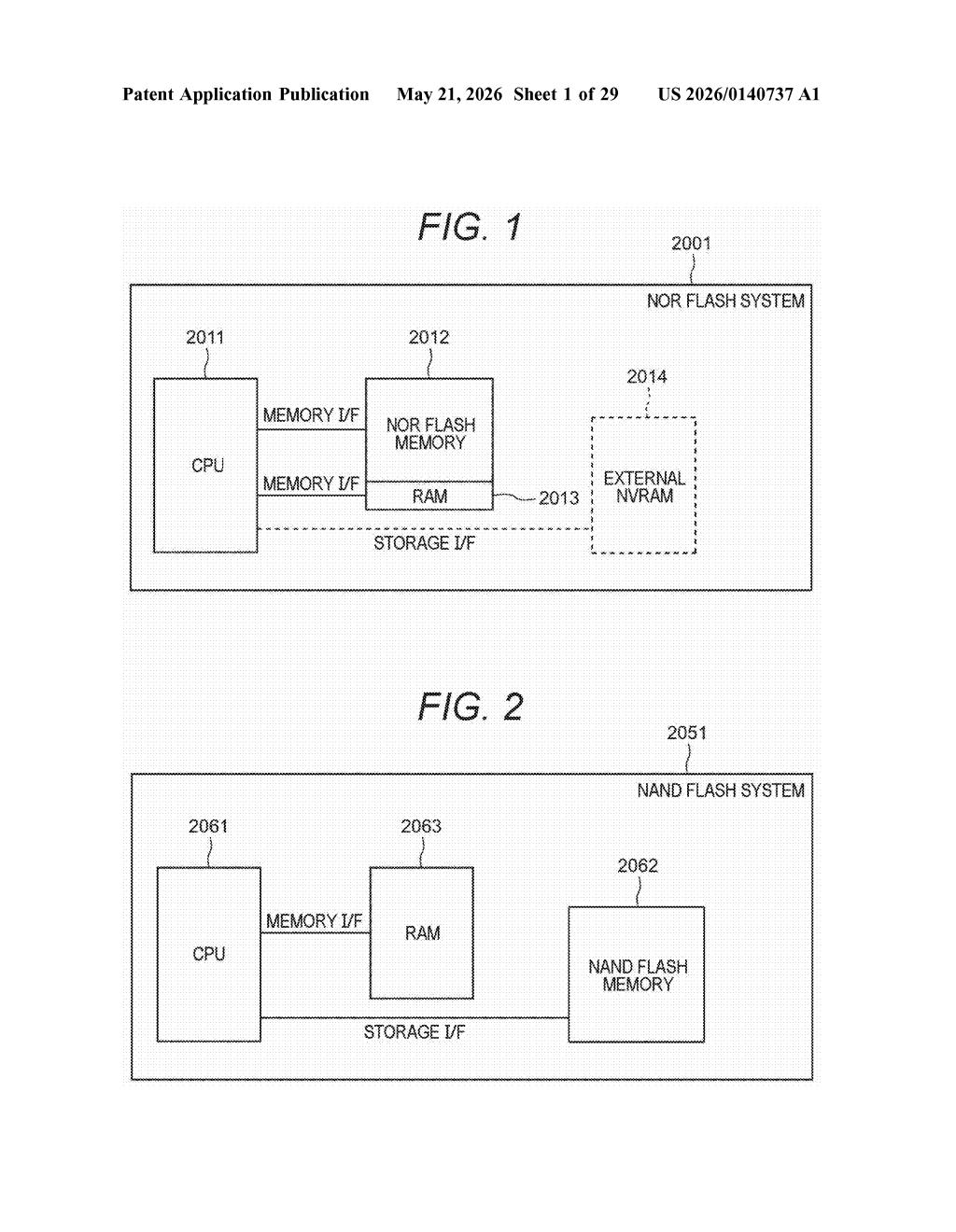
What Sony's paired rollback storage actually does
Imagine your car gets an over-the-air software update that changes how it stores navigation or sensor data. The new software works great — until it doesn't, and you need to roll back to the previous version. But here's the catch: the old software can't read the data files the new version created. You're stuck.
Sony's patent describes a storage layout designed to prevent that exact problem. The system maintains two software slots and two matching data slots. The current software lives in one slot alongside data written in its format; the older software lives in the other slot alongside data in its format. Both are kept in sync and ready to use.
If something goes wrong after an update, the device can roll back to the old software and immediately pick up with data it can actually read — no corruption, no incompatibility headaches. Sony specifically calls out vehicles as a target use case, which makes sense given how critical reliable rollback is in automotive software.
How Sony's dual-area storage keeps data and software in sync
The patent describes an information processing device with a dedicated software management unit and a structured storage layout built around four distinct areas:
- First software area — holds the current (active) software version
- Second software area — holds the previous (old) software version
- First data area — paired with the first software area; stores data in a format the current software can read
- Second data area — paired with the second software area; stores data in a format the old software can read
The key insight is the pairing. Most A/B update schemes (where two software slots let you swap between versions) focus only on the executable code. Data format compatibility — the fact that software v2 might write files in a schema that software v1 can't parse — is often an afterthought. This patent bakes the data pairing directly into the storage architecture.
The abstract mentions NOR Flash memory, a type of non-volatile storage commonly used in embedded and automotive systems for its fast read speeds and byte-level addressability. The design appears intended for constrained, safety-critical environments where a failed update can't just be ignored.
When an update is applied, the new software and its compatible data format move into one slot pair; the previous versions stay intact in the other. A rollback operation restores both the software and the data layer together, keeping the system in a coherent, readable state.
Why this matters for vehicle OTA update safety
For consumer electronics, a botched update is annoying. For a vehicle, it can be a safety issue. As cars increasingly rely on over-the-air updates to patch firmware across everything from infotainment to driver-assistance systems, the ability to cleanly roll back becomes critical infrastructure — not a nice-to-have.
Sony has significant automotive ambitions through its Sony Honda Mobility joint venture and its AFEELA EV brand. A patent specifically calling out vehicles as a target application, covering software rollback with data-format compatibility, fits that strategic direction. For developers building embedded or automotive update systems, this is also a useful reference design for thinking about how to architect update-safe storage from the ground up — even if this specific patent never ships in a product you touch.
This is unglamorous but genuinely useful engineering. Paired software-and-data rollback is exactly the kind of problem that bites teams in production — usually after a rushed OTA update breaks something subtle in data serialization. Sony filing this in the context of vehicles gives it real stakes. It's not a flashy AI patent, but it's the kind of infrastructure thinking that separates reliable embedded systems from ones that brick themselves in the field.
There are more where this came from
We read every patent application Big Tech publishes and send you the ones worth knowing. Plain English, free, every week.
Want this weekly breakdown for a company we don't cover? Patentlyze Pro →