
Google Patents a Group-Based System for Blocking Sensitive Data Transfers Between Apps
Google is patenting a way to treat apps as trusted clusters — so sensitive data inside one group of apps can't quietly slip out to an app that isn't on the list.
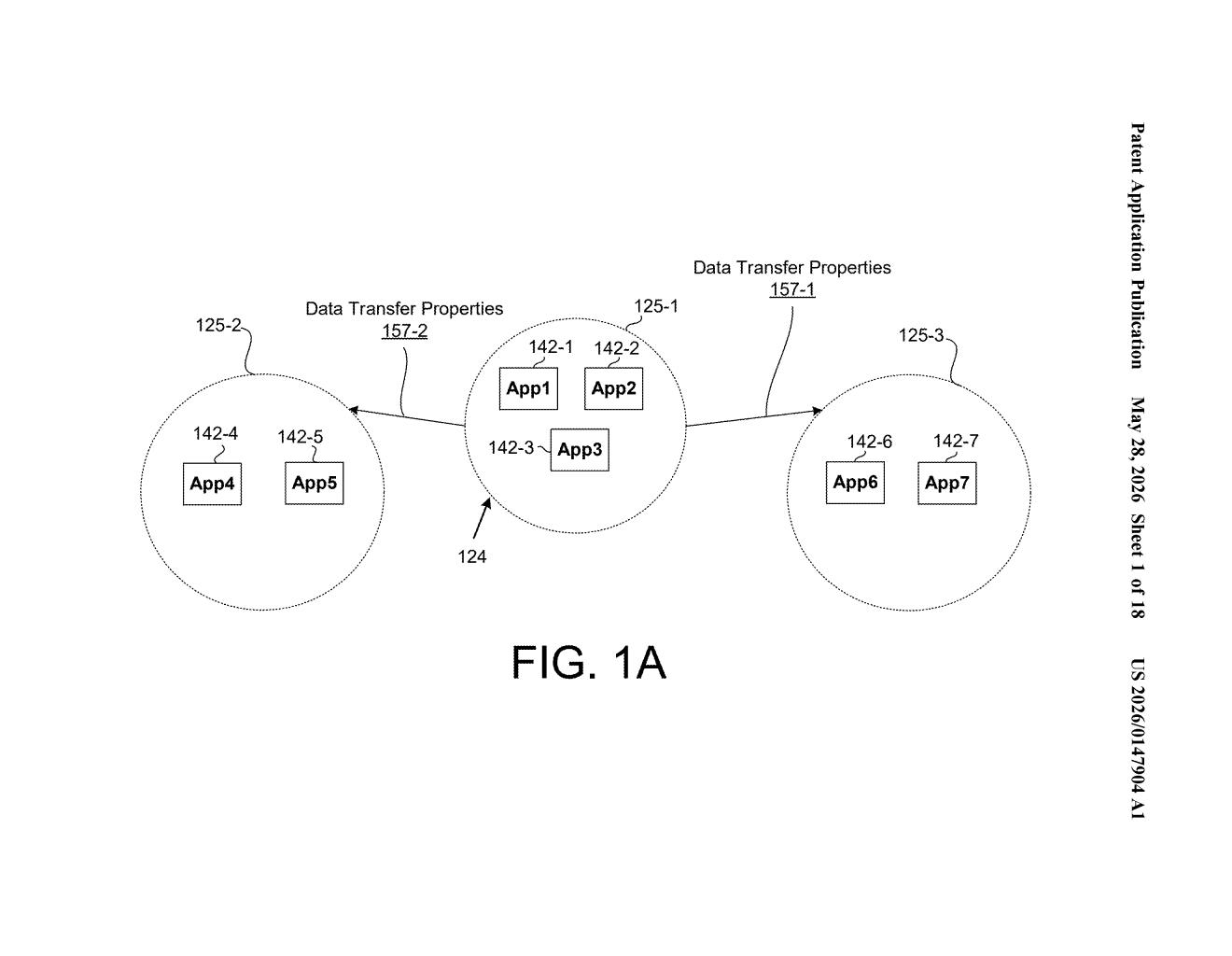
What Google's app-group data controls actually do
Imagine your company's payroll data lives inside a handful of approved apps — say, your HR software, your internal spreadsheet tool, and your encrypted messaging app. Now imagine an employee accidentally pastes that data into a personal notes app or a random web form. Your IT department would probably want to stop that.
That's exactly the problem Google's new patent tackles. It describes a system where your organization defines a trusted group of apps, then sets rules about what can and can't move between them. When data tries to cross from a trusted app to one that's outside the group, the system checks whether the data is restricted — and if it is, it blocks the transfer.
This is a more flexible take on data loss prevention (DLP), the catch-all term for systems that stop sensitive information from leaking. Instead of writing a separate rule for every app pair imaginable, an IT admin just defines the group once, and the policy applies automatically to anything outside it.
How the policy engine flags untrusted destinations
The patent describes a four-step enforcement loop baked into a device managed by an organization:
- Detect a transfer event — the system watches for operations like copy-paste, file shares, or data exports moving from one app to another.
- Look up the policy — it checks a policy tied to the source app to find the app's group membership and any associated restrictions.
- Classify the destination — if the destination app isn't in the same trusted group, it's flagged as an untrusted destination.
- Classify the data — it checks whether the data itself qualifies as restricted data (think: PII, financial records, credentials). If both the destination is untrusted and the data is restricted, the transfer is blocked or modified per the policy.
The key innovation here is the group resource identifier — a single reference that ties a bundle of apps together under one policy umbrella. An IT admin doesn't have to enumerate every possible app-to-app pairing; they define the group once, and the system handles the combinatorics. This is closer to how network firewall rules work (allow-listed subnets) than the older DLP approach of per-app or per-content rules.
What this means for enterprise data leak prevention
For enterprise IT teams, this is genuinely useful plumbing. Most existing DLP tools are either too coarse (block all clipboard actions) or too brittle (enumerate every allowed app pair, which breaks every time you add a new tool). A group-membership model scales much more gracefully as organizations grow their app stacks.
For end users, the practical effect is mostly invisible — until you try to move sensitive data somewhere your company hasn't approved. Google already runs one of the largest enterprise device management platforms with Google Workspace and Android Enterprise, so this patent likely reflects work being done on those platforms rather than some distant concept.
This is solid, unsexy enterprise infrastructure work. It won't make headlines the way an AI feature does, but group-based DLP policy is a real gap in how most organizations manage data on devices — and Google filing this now suggests it's actively building toward a more granular Workspace or Android Enterprise enforcement layer. Worth watching if you follow enterprise security.
There are more where this came from
We read every patent application Big Tech publishes and send you the ones worth knowing. Plain English, free, every week.
Want this weekly breakdown for a company we don't cover? Patentlyze Pro →