
Qualcomm Patents a Multi-Technology Cooperative Positioning System for Connected Devices
What if your phone's location wasn't just determined by GPS alone, but by a server that intelligently coordinated every positioning technology available — across multiple nearby devices — to get the most accurate fix possible? That's what Qualcomm is patenting here.
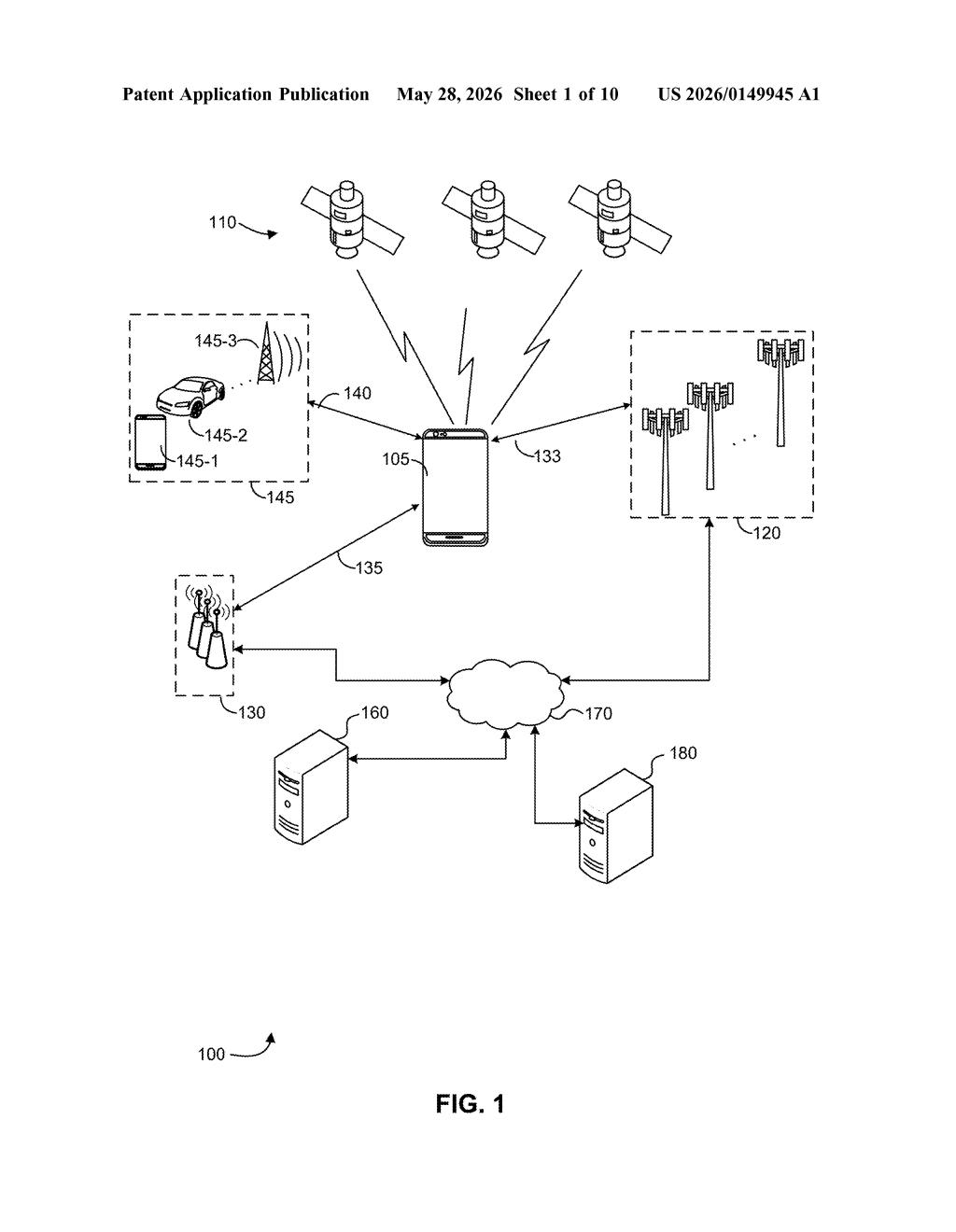
How Qualcomm's hybrid positioning blends GPS, Wi-Fi, and cellular
Imagine you're in a crowded stadium and your phone is struggling to get a GPS lock. Rather than relying on a single signal, what if a network server could look at all the nearby phones, figure out which ones have the best combination of GPS, Wi-Fi, and cellular reception, and then coordinate them to collectively pinpoint locations more accurately? That's the core idea behind this Qualcomm patent.
The system works by having a server first ask each device what positioning capabilities it has — GPS, Bluetooth, cellular, whatever. Based on those responses, the server assigns a prioritization: which technologies to lean on, and which devices in the group should take the lead in the positioning session.
The result is a more flexible, more accurate location system that adapts to whatever mix of hardware and signal conditions exists at that moment. It's less about any one device being great at location, and more about a coordinated network making the most of what's available.
How the server ranks devices and technologies for each session
At the technical level, the patent describes a hybrid cooperative positioning framework managed by a server. The server kicks things off by broadcasting a capability request to one or more user equipment (UE) devices — that's the 3GPP term for any connected end-user device, like a smartphone or IoT sensor.
Each UE responds with a capability report detailing which positioning technologies it supports. The server then runs a device prioritization algorithm that produces two outputs:
- A first prioritization of the positioning technologies themselves (e.g., prefer GNSS over Wi-Fi RTT over cellular OTDOA in this session)
- A second prioritization of which UEs should actively participate and in what role
Those two rankings feed into a session configuration that gets pushed back to the devices. Essentially, the server is acting as a conductor — deciding which instruments play and which sit out — to get the cleanest possible location estimate from a heterogeneous mix of hardware and signal environments.
This cooperative approach is especially relevant for dense 5G deployments and indoor scenarios where no single technology performs reliably on its own.
What this means for next-gen device tracking and 5G networks
Location accuracy is a persistent pain point in dense urban environments, indoors, and anywhere GPS struggles. By letting a server intelligently orchestrate which technologies and which devices contribute to a positioning session, Qualcomm's approach could meaningfully improve location reliability without requiring every device to be a positioning powerhouse.
For enterprise IoT, warehouses, and asset tracking scenarios, this kind of server-managed cooperative positioning is potentially a big deal. It also slots neatly into the 3GPP standards work Qualcomm actively drives — meaning this could eventually become part of how 5G NR positioning is standardized rather than just a Qualcomm-proprietary feature.
This is solid, incremental standardization work from Qualcomm — not a moonshot, but exactly the kind of systems-level coordination patent that actually makes it into chipsets and network specifications. The real play here is probably 5G positioning standards, where Qualcomm's ability to patent the orchestration logic gives them leverage at the standards table.
There are more where this came from
We read every patent application Big Tech publishes and send you the ones worth knowing. Plain English, free, every week.
Want this weekly breakdown for a company we don't cover? Patentlyze Pro →