
Microsoft's New Patent Hunts Down Aging Code Before Attackers Find It
Old, unmaintained code is one of the most reliable ways for attackers to get a foothold in cloud infrastructure. Microsoft is patenting a system that hunts down that code automatically — and politely forces someone to do something about it.
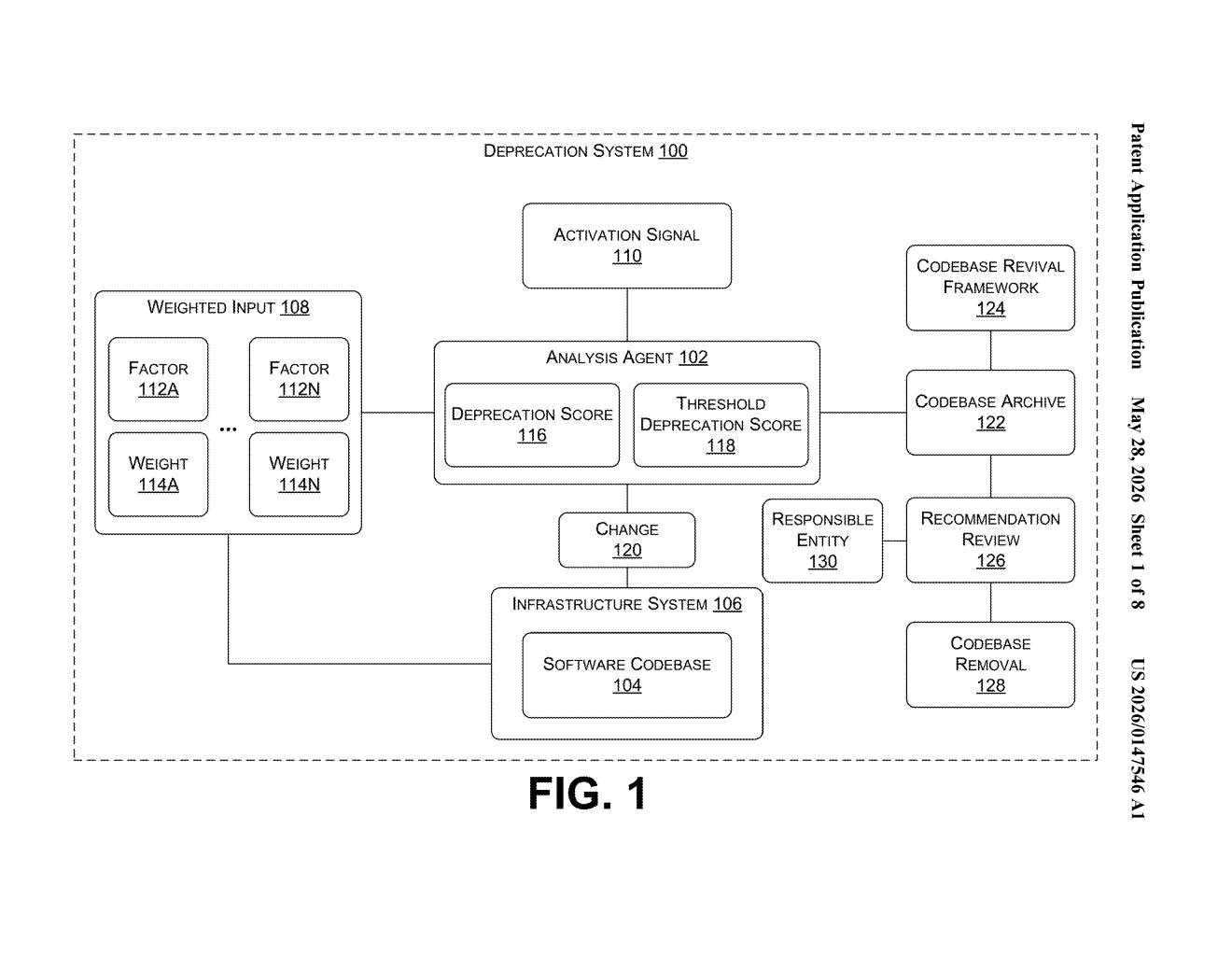
What Microsoft's automated code retirement system actually does
Imagine your company's cloud platform has thousands of internal tools, microservices, and configuration files — many of them years old and barely used. Nobody knows who owns half of them, and some haven't been touched since a product that no longer exists was sunset. That's a security nightmare, and it's a reality for any large cloud provider.
Microsoft's patent describes a system that uses a self-training AI agent to scan that sprawling landscape and flag codebases that are candidates for retirement. It looks at things like how old the code is, what type of code it is, and how much it's actually being used. The weights it assigns to those factors shift depending on context — so a critical infrastructure component and an abandoned internal tool aren't judged by the same standard.
Once something is flagged, the system doesn't just delete it — it archives the codebase for a set period, then nudges the person responsible for it to sign off on final retirement. Think of it as a structured off-ramp for old code, with human approval baked in at every step.
How the weighted input model flags and archives old codebases
The system centers on a self-training analysis agent — a computational model that improves its deprecation recommendations over time — combined with a weighted input that scores each codebase across multiple dimensions.
The factors fed into that weighted input include at least:
- Code type — whether it's source code, infrastructure config, a user-facing app, etc.
- Code age — how long it's been in the system
- Usage metrics — how frequently the codebase is actually called or referenced
Critically, each factor's weight is adjusted by the operational context of the codebase (meaning the system doesn't treat a low-traffic security library the same way it treats an abandoned demo app — context shifts what matters).
When the agent identifies a candidate, it proposes a specific change type — also configured by those same weighted factors — and sends it to the responsible owner for approval. Once approved, the code is removed from active use and archived. After a predefined holding period, the system generates a recommendation review asking the owner to confirm final deprecation. Nothing gets permanently deleted without human sign-off at both stages.
The self-training aspect implies the agent refines its scoring as deprecations succeed or surface problems, though the patent doesn't detail the specific ML architecture used.
What this means for cloud platform security and tech debt
For a company operating Azure at scale, the sheer volume of aging codebases is a genuine attack surface problem. Unpatched, forgotten code is one of the most common vectors for supply chain and infrastructure compromises. An automated system that continuously surfaces and retires that code — rather than relying on engineering teams to remember what they shipped three years ago — could meaningfully reduce exposure.
For developers and platform engineers, the two-stage approval model (archive first, delete later) is the key design choice. It means you don't lose something irreplaceable because an AI made a confident mistake. The human-in-the-loop structure suggests Microsoft learned from the cultural resistance that comes with purely automated deletion — this is designed to be adopted, not feared.
This is unglamorous but genuinely useful infrastructure work. Automated code retirement is the kind of problem that every large engineering organization knows it has and almost nobody has a systematic answer to. The self-training agent angle is interesting, but the real value is in the structured workflow — archive, wait, confirm — which is practical enough to actually get adopted inside a real organization.
There are more where this came from
We read every patent application Big Tech publishes and send you the ones worth knowing. Plain English, free, every week.
Want this weekly breakdown for a company we don't cover? Patentlyze Pro →