
X Development's New Patent Builds an AI That Checks Its Own Work and Explains How
X Development — Alphabet's moonshot lab — has filed a patent for an AI platform that doesn't just generate predictions, it also validates those predictions and automatically builds a paper trail explaining how it got there.
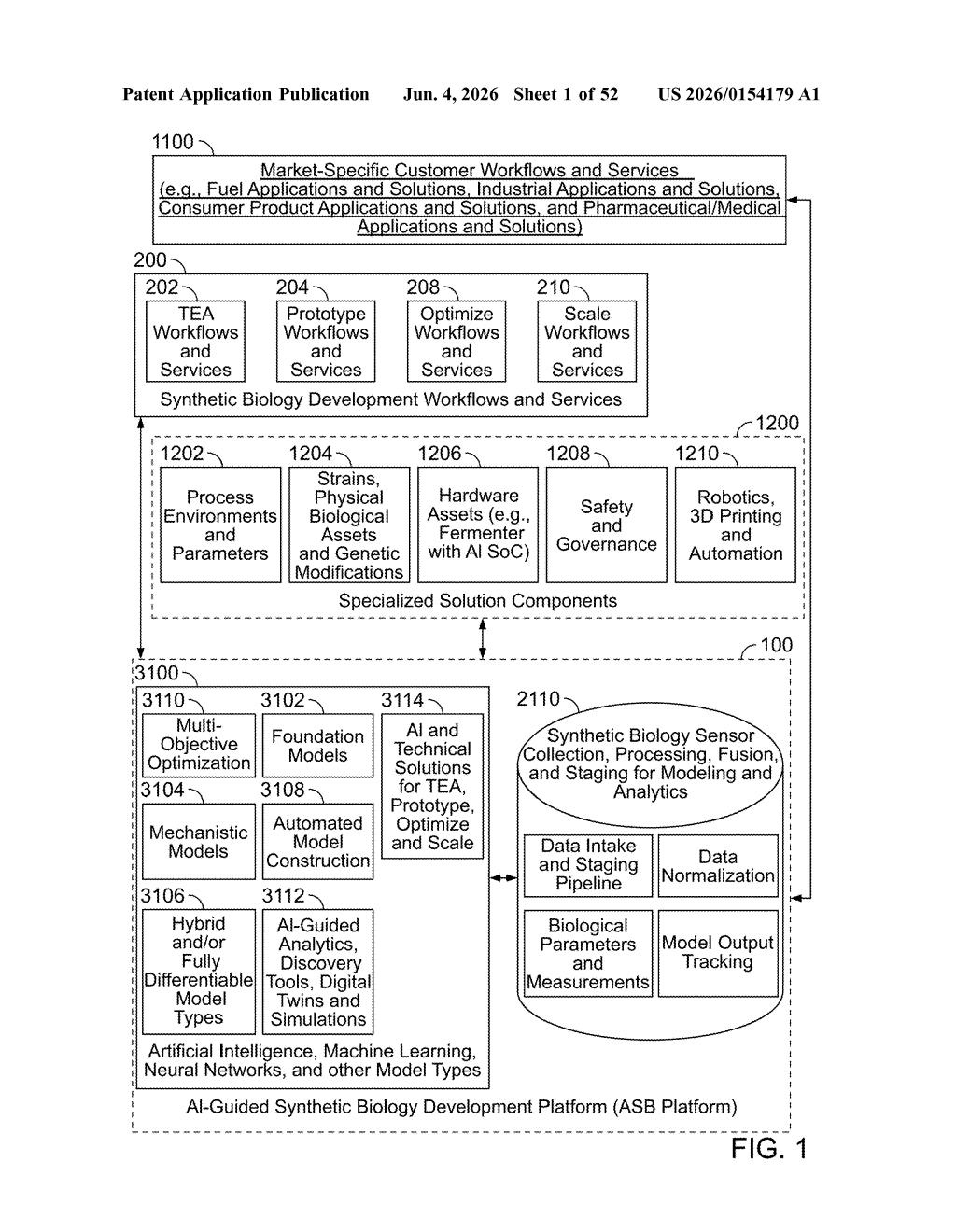
What X Development's self-auditing AI system actually does
Imagine an AI system that hands you an answer but also attaches a detailed receipt: here's the data it looked at, here's how it prepared that data, here's the method it chose, and here's the check it ran to make sure the answer is trustworthy. That's the core idea behind this filing.
The system is designed to pick the right analytical approach based on what the data actually looks like, run a machine learning model on it, then verify its own results — and document the whole process automatically. You end up with both a prediction and a structured audit trail showing exactly how that prediction was produced.
The output includes technical documentation and visualizations of the findings, meaning the results aren't just handed over as a black-box number — they come with something explainable attached. For regulated industries or high-stakes decisions, that kind of accountability layer is increasingly non-negotiable.
How the pipeline selects, validates, and documents each analysis
The patent describes a pipeline with six distinct stages that work together:
- Method selection: The system assesses characteristics of the incoming data and picks an appropriate analytic approach — rather than applying a one-size-fits-all model.
- Data preparation: It runs a preparation procedure tailored to the specific application, handling the cleaning and formatting steps that typically require human judgment.
- Model application: A machine learning model is applied to the prepared data to generate a prediction.
- Validation: A separate model validation procedure checks the output for analytical reliability — essentially a built-in quality-control pass before results are surfaced.
- Audit trail creation: The system logs the analytic procedure and its result, creating a traceable record of what happened and why.
- Documentation and visualization: Finally, it generates human-readable documentation and visual representations of the findings.
The claim is deliberately broad — it covers the end-to-end loop from data ingestion to documented output, without specifying a particular domain or model architecture. That breadth is both the patent's strength (wide coverage) and its weakness (relatively thin technical novelty).
Why AI audit trails are becoming a competitive necessity
AI accountability is moving from a nice-to-have to a legal requirement in the EU, and is increasingly expected in sectors like finance, healthcare, and scientific research. A system that bakes validation and audit-trail generation directly into the inference pipeline — rather than bolting it on afterward — is exactly what enterprises and regulators are starting to demand. X Development filing this suggests Alphabet's research arm is thinking about deploying AI in contexts where you can't just ship a prediction and walk away.
For you as a potential user of an AI platform, the practical upshot is that outputs become defensible: if a model recommendation leads to a bad outcome, there's a structured record of the logic chain that produced it. That's a meaningful shift from how most ML systems work today.
This is a notably broad and somewhat abstract patent — the independent claim essentially patents 'an ML pipeline that also validates and documents itself,' which describes a workflow pattern rather than a specific invention. It's hard to see strong prior-art differentiation here. That said, the strategic signal is real: X Development is signaling interest in enterprise-grade, audit-ready AI deployment, which aligns with where the whole industry is being pushed by regulation.
There are more where this came from
We read every patent application Big Tech publishes and send you the ones worth knowing. Plain English, free, every week.
Want this weekly breakdown for a company we don't cover? Patentlyze Pro →