
Samsung Patents a Display That Refreshes Differently Based on Network State
Samsung is patenting a system where a display's image update speed is directly tied to whether the device's radio is on or off — a small but telling clue about how the company is thinking about power management on always-on screens.
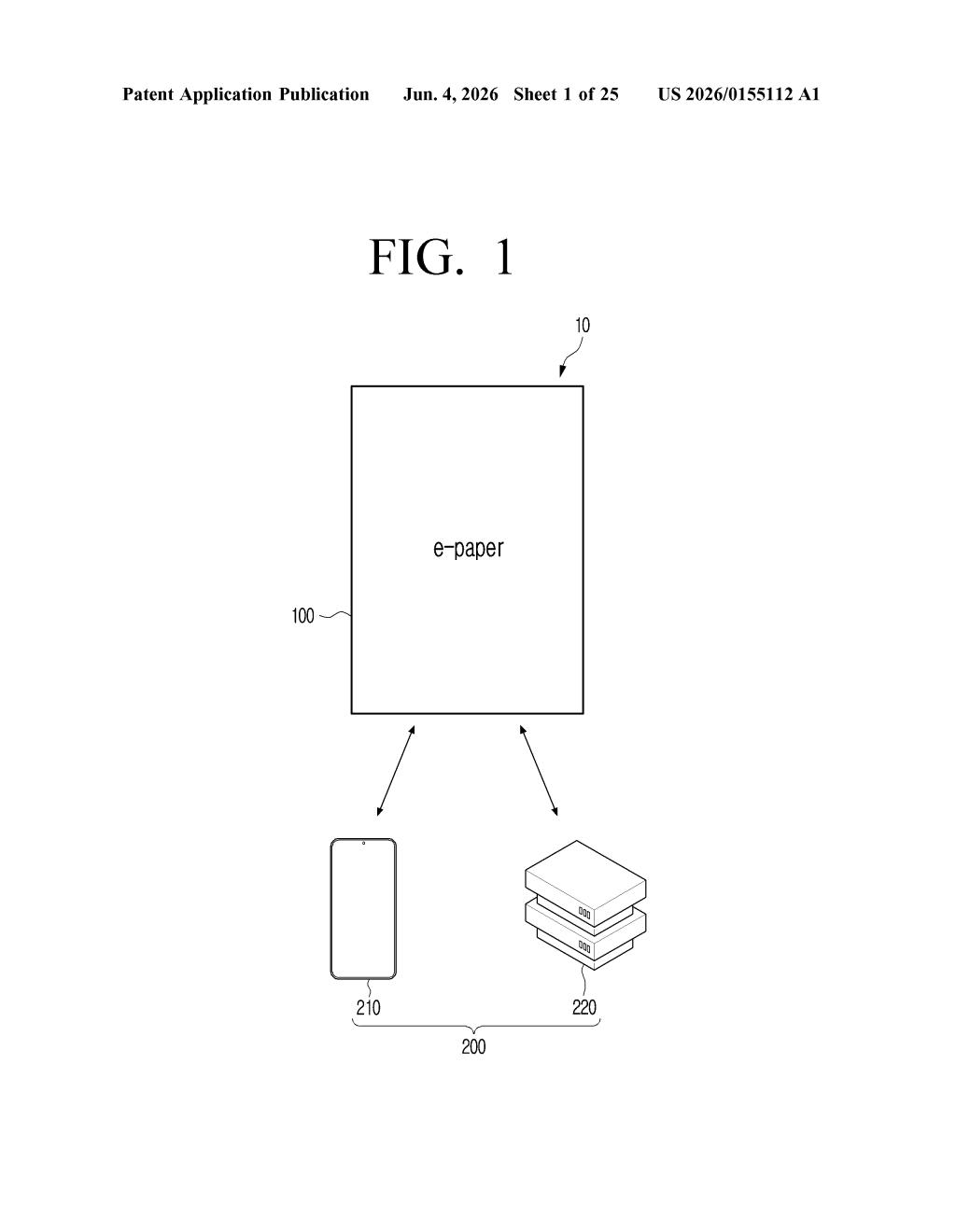
What Samsung's mode-based display refresh actually does
Imagine your TV or smart display showing a clock or ambient photo. Right now, whether the screen is pulling fresh data from the internet or sitting completely offline, it probably refreshes its image on the same schedule. Samsung wants to change that.
This patent describes a device with three distinct modes. In the default mode, you see a normal image. Switch to a second mode — say, by pressing a button to go fully offline — and the display waits longer before updating that image. Switch to a third mode that keeps the network connection alive, and the display updates on a different (likely shorter) schedule, because fresh data might actually be coming in.
The practical idea is that when your device has no internet connection, there's less reason to redraw the screen frequently. Tying refresh rate to connectivity is a straightforward way to squeeze out battery or power savings without the user having to do anything manually.
How the three modes control display timing and connectivity
The patent describes an electronic apparatus — almost certainly a TV, smart display, or tablet — that manages its display refresh behavior across three operating modes.
- First mode (normal): The display shows a baseline image at its standard update cadence.
- Second mode (offline/airplane-like): Triggered by a user input, the communication interface is fully deactivated — no Wi-Fi, no cellular. In this state, the display waits a longer interval ("first time") before redrawing the first image.
- Third mode (connected): Triggered by a different user input, the communication interface stays active, and the display updates on a separate interval ("second time") — presumably shorter or optimized to sync with incoming data.
The key insight is the coupling: display refresh timing is not independent of network state. When no data can arrive because the radio is off, there is no point updating the screen as often. The patent covers the logic that coordinates these two subsystems based on explicit user mode-switching, rather than the device making that call autonomously.
What this means for Samsung's low-power display strategy
For devices with always-on or ambient displays — think Samsung's The Frame TV, smart home panels, or tablet lock screens — this kind of power discipline matters a lot. Reducing how often a display redraws when there's nothing new to show is a simple but real power saving, and tying it to a user-controlled mode gives the device a credible signal to act on rather than guessing.
For you as a user, this could translate to longer battery life on a tablet in airplane mode, or a TV that consumes less standby power when you've switched it to a disconnected ambient mode. It's not a dramatic feature, but it's the kind of quiet efficiency work that compounds across millions of devices.
This is unglamorous but sensible engineering — the kind of patent that probably reflects real firmware work already happening inside Samsung's display and power teams. It won't headline a product launch, but coordinating display refresh with network state is exactly the sort of low-level optimization that matters when you're shipping hundreds of millions of screens.
There are more where this came from
We read every patent application Big Tech publishes and send you the ones worth knowing. Plain English, free, every week.
Want this weekly breakdown for a company we don't cover? Patentlyze Pro →