
Samsung Patents a Payment System That Pushes Checkout Info to Nearby Screens
Samsung is patenting a payment setup where your device quietly mirrors transaction details to a second screen — think a merchant terminal, a smartwatch, or a shared display — at the exact moment you tap to pay.
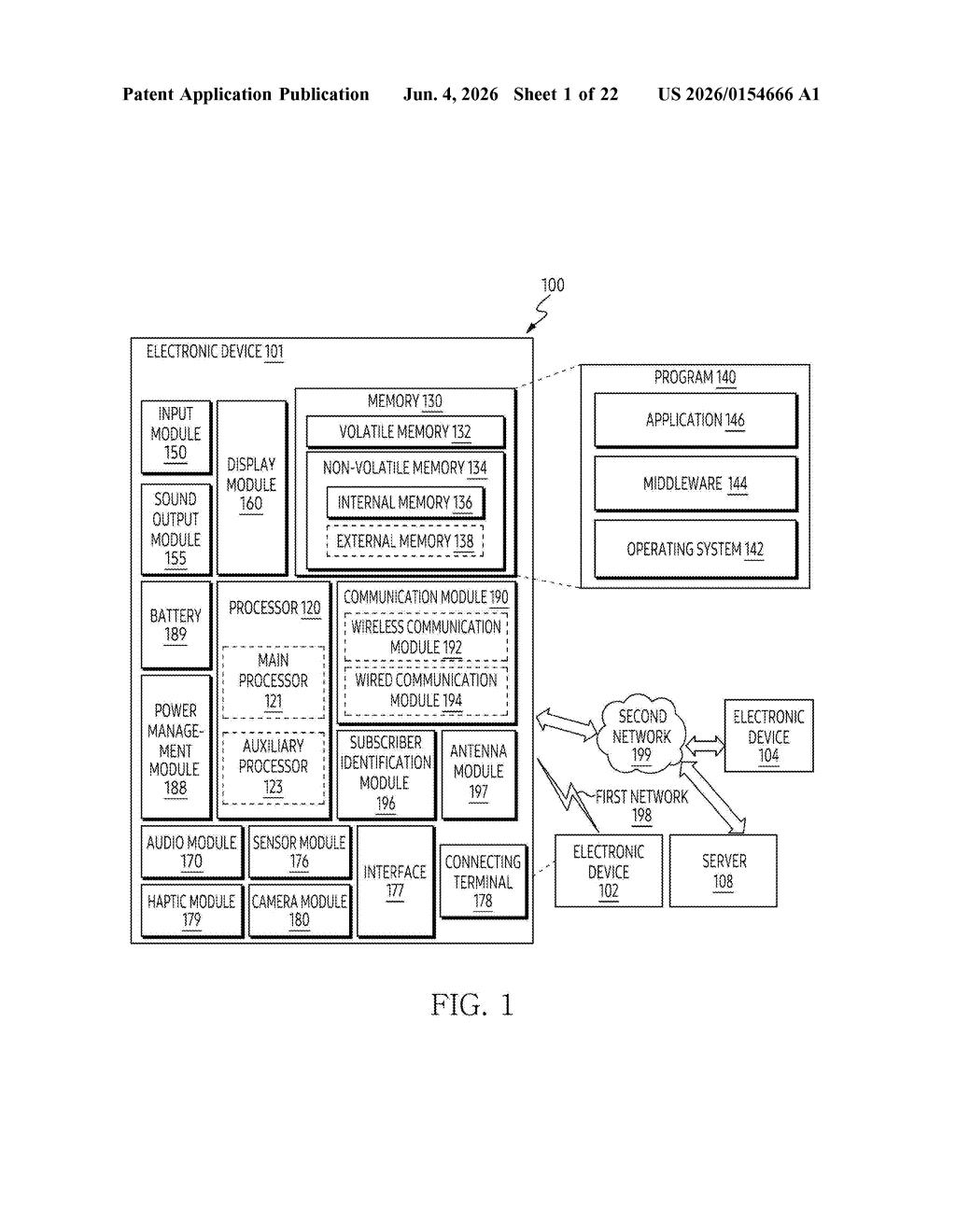
What Samsung's external-display payment system actually does
Imagine you're checking out at a coffee shop. You tap your phone to pay, but instead of you squinting at your own screen to confirm the amount, the details pop up on the merchant's terminal — or some other nearby display — so both sides can see what's happening at the same time.
That's the core idea in this Samsung patent. When you trigger a payment, your device doesn't just send the payment signal to the reader — it also pushes the payment information to at least one other external device, which then shows a confirmation screen on its display.
This could apply to a lot of different scenarios: a paired smartwatch showing the transaction, a retail terminal displaying an itemized receipt, or even a shared kiosk screen. Samsung isn't locking it into one use case — the patent describes any 'external electronic device' that can receive the data and show it to someone.
How the device syncs payment data to an external screen
The patent describes an electronic device — most likely a smartphone or wearable — that handles two parallel outputs the moment a payment is triggered.
First output: The device sends payment information data (transaction details, amounts, merchant info) over its communication circuitry to at least one external device. That external device is then instructed to render a screen showing that payment information on its own display.
Second output: Simultaneously, the device transmits the actual payment signal — the credential or token that authorizes the transaction — to the payment terminal or reader.
The key architectural point is that both of these happen in response to obtaining the payment information, meaning they're triggered together, not sequentially. The communication circuitry handling both outputs isn't specified as NFC, Bluetooth, or Wi-Fi — the claim is deliberately broad, covering any radio or wired path.
The 'external electronic device' that receives and displays the payment info is explicitly described as different from the paying device itself, which rules out simply mirroring your own phone screen and points toward coordinated multi-device payment flows.
What this means for Samsung Pay and point-of-sale hardware
The practical upside here is transparency at checkout. If your phone is pushing payment details to a merchant-facing display in real time, both the buyer and the seller can verify what's being charged before the transaction clears — reducing disputes and giving the checkout flow a more deliberate, receipts-first feel.
For Samsung, this fits neatly into its broader ecosystem play. A Galaxy phone, a Galaxy Watch, and a Samsung-powered POS terminal could all participate in a single payment event. Whether this surfaces inside Samsung Pay or as part of a deeper retail or enterprise product, the patent stakes out Samsung's claim to coordinated multi-screen payment UX before competitors do.
This is a narrowly scoped but genuinely useful idea — splitting the 'show the payment info' task from the 'send the payment signal' task and routing them to different devices at once is a clean architectural move. It's not flashy IP, but it solves a real friction point in modern checkout flows, and Samsung's ecosystem is one of the few places where this kind of multi-device coordination is actually plausible out of the box.
There are more where this came from
We read every patent application Big Tech publishes and send you the ones worth knowing. Plain English, free, every week.
Want this weekly breakdown for a company we don't cover? Patentlyze Pro →