
Samsung Patents a Robot Vacuum That Checks Whether It Actually Cleaned the Stain
Most robot vacuums clean and move on, with no idea whether they actually got the spot. Samsung's new patent describes a machine that looks back, compares before-and-after images, and knows when a stain is still there.
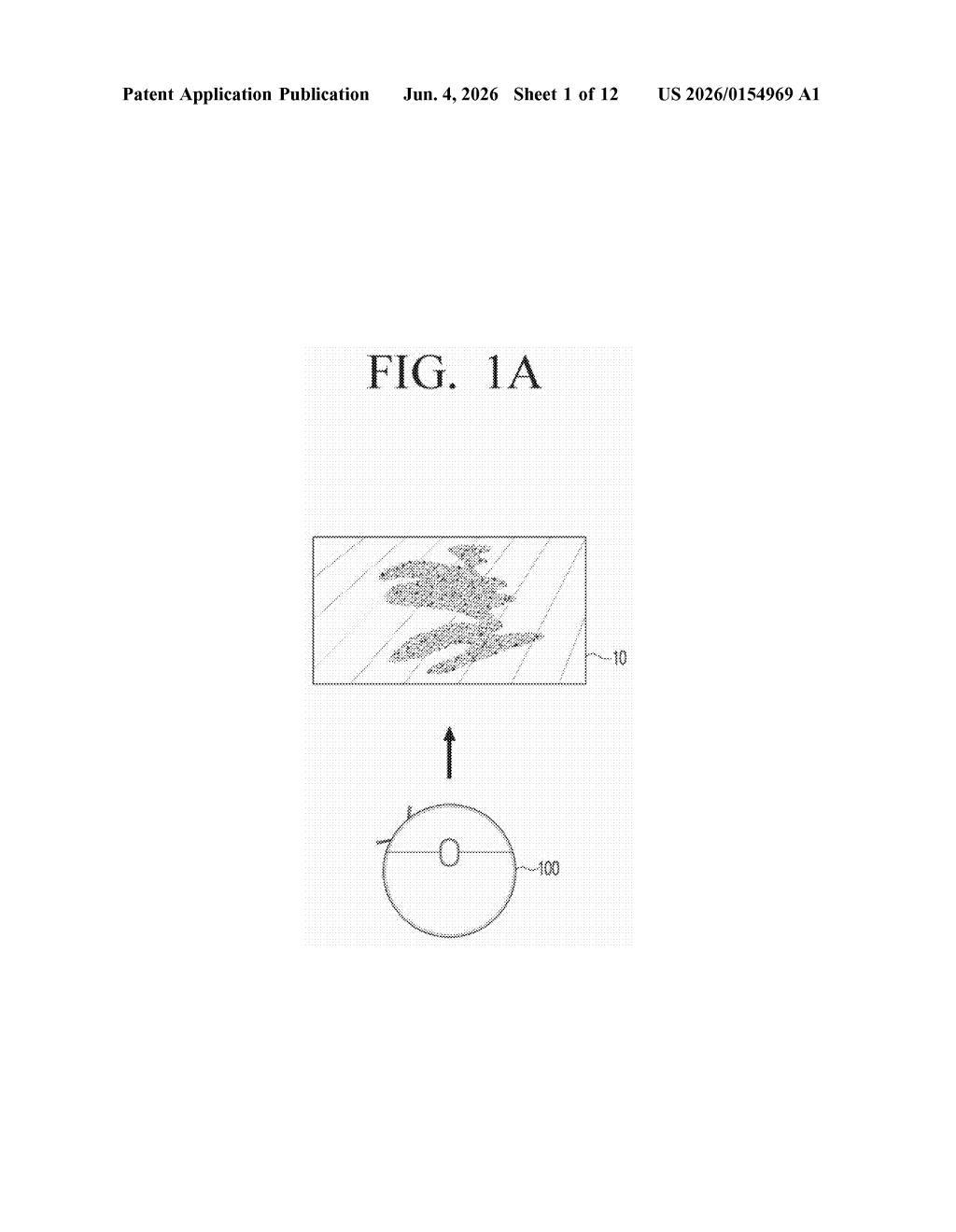
What Samsung's self-verifying robot cleaner actually does
Imagine your robot vacuum rolls over a juice spill, dutifully runs its normal routine, and then keeps going — completely oblivious that the stain is still there. That's the problem Samsung's new patent is trying to solve.
The system works in two stages. While the robot drives around in its normal cleaning mode, an AI model scans the camera feed to detect stains on the floor. When it spots one, the robot switches to a more aggressive cleaning mode — think slower passes, extra suction — to tackle that specific area.
Once it's done, the robot takes a fresh photo of the same spot and runs that against a second AI model, which compares the before and after images to judge whether the stain actually came out. It's essentially a built-in quality check, so the vacuum doesn't just trust that it did a good job — it verifies.
How two neural networks handle spotting and confirming stains
The patent describes a two-neural-network pipeline running on a robot cleaner equipped with a camera sensor.
First neural network — detection: As the device travels in its default first cleaning mode (standard speed/suction), it feeds live camera frames into a trained model that identifies stains and maps their locations in the travel space. This gives the robot a spatial understanding of where problem areas are.
Second cleaning mode — targeted remediation: On detecting a stain in a specific area, the robot switches to a second cleaning mode — a more intensive setting applied only to that zone. The patent doesn't prescribe exactly what changes (suction, brush speed, wet-mop activation are all plausible), leaving that flexible.
Second neural network — verification: After finishing the intensive pass, the robot acquires a new image of the same area. Both the original before image and the new after image are fed into the second model, which outputs a judgment: stain removed or not. This before/after comparison approach is more reliable than trying to detect stain absence from a single frame alone.
The architecture separates concerns cleanly — one model optimized for stain detection, another for change detection — which is a sensible engineering choice given that the two tasks have different visual inputs.
What this means for the next wave of autonomous home cleaners
Robot vacuums have gotten good at navigation and scheduling, but cleaning quality verification has been largely absent. Most devices have no feedback loop — they clean an area once and consider it done. A closed-loop system that confirms results could meaningfully raise the bar for autonomous home cleaning, especially for wet-mop or multi-pass capable machines where re-treatment is actually possible.
For you as a user, the practical upside is simple: the robot could flag persistent stains it couldn't remove (prompting you to deal with them manually) or autonomously retry until they're gone. Samsung already sells the Jet Bot series with camera-based navigation, so the sensor infrastructure for something like this is already in the product line.
This is a genuinely useful improvement over the current state of robot vacuum intelligence. The two-model architecture — separate networks for detection and verification — is a thoughtful design, not just AI for AI's sake. Whether it ships is another question, but the problem it solves is real and the approach is technically sound.
There are more where this came from
We read every patent application Big Tech publishes and send you the ones worth knowing. Plain English, free, every week.
Want this weekly breakdown for a company we don't cover? Patentlyze Pro →