
Samsung Patents an Image Sensor That Does Autofocus and HDR at the Same Time
Most cameras have to choose between gathering autofocus data and capturing a wide exposure range in a single shot. Samsung's new patent describes a sensor architecture that does both simultaneously — without extra hardware.
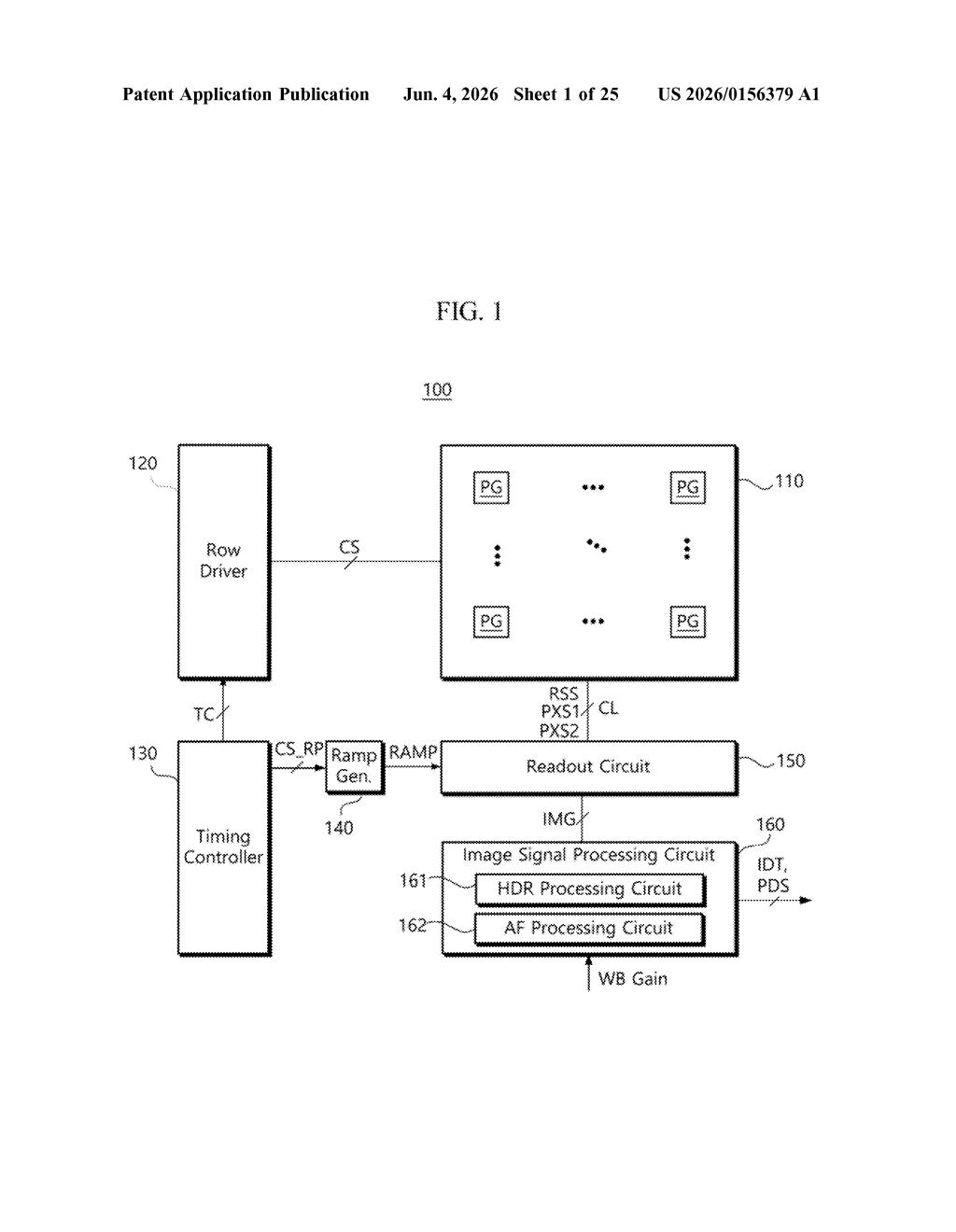
How Samsung's sensor juggles focus and exposure at once
Imagine you're taking a photo of a bright window with a dark room in the foreground. Your phone has to juggle two hard problems at once: figuring out where to focus, and capturing detail in both the bright and dark areas — that's high dynamic range (HDR). Most sensors handle these tasks separately, which can cause a slight delay or quality trade-off.
Samsung's patent describes a sensor where the tiny lenses (microlenses) sitting over groups of pixels are cleverly exploited. Some pixel groups read out light from opposite sides of the lens — which tells the camera how far off-focus a subject is. Other pixel groups read out light from the same side, giving exposure data useful for HDR blending. This all happens across two quick readout periods.
The result is a sensor that's collecting focus-detection data and HDR exposure data from the same pixels, in the same shot, without needing separate dedicated hardware for each job. That's a meaningful efficiency win at the chip level.
How pixel-phase splitting enables dual-mode readout
The sensor is built around a pixel array divided into multiple pixel groups, each group sharing a single microlens — the tiny optical element that sits on top of the photodiodes and directs incoming light.
During the first readout period, the sensor reads pixels in two different ways simultaneously:
- A first pixel group sums signals from pixels at opposite phase positions under the microlens — meaning pixels on opposite sides of the lens. Because the angle of incoming light differs between those positions, comparing their outputs reveals phase-detection autofocus (PDAF) data (essentially, how much the image is out of focus and in which direction).
- A second and third pixel group sum signals from pixels at the same phase position — same-side pixels under the lens. This produces a consistent, direction-specific exposure reading useful for constructing HDR images.
During the second readout period, a complementary set of signals is collected, filling in the gaps. The readout circuit then outputs a first image signal (from period one) and a second image signal (from period two), which can be combined for a full HDR frame with embedded autofocus metadata.
The key insight is that the same physical pixel array serves double duty — no extra dedicated PDAF pixels are carved out, which typically waste light-gathering area.
What this means for Samsung's next camera sensors
Camera sensor design is a zero-sum game: every pixel you dedicate to autofocus is a pixel not capturing image data, and vice versa. Samsung's approach tries to sidestep that trade-off by extracting both types of information from the same pixels during overlapping readout windows. If it works as described, you'd get faster, more accurate autofocus without sacrificing the HDR quality that makes modern smartphone photos look so good in tricky lighting.
For Samsung's semiconductor and mobile divisions, this kind of sensor IP is directly relevant to the Exynos and ISOCELL product lines that power Galaxy phones and are sold to third-party device makers. A sensor that competes on both autofocus speed and HDR fidelity simultaneously is a credible differentiator in a crowded market.
This is solid, incremental camera sensor engineering — not a conceptual leap, but exactly the kind of pixel-architecture optimization that separates competitive mobile camera hardware from the pack. Samsung has been shipping PDAF-capable ISOCELL sensors for years; this patent looks like a next step in squeezing more capability out of the same pixel real estate. Worth tracking if you follow mobile imaging silicon.
There are more where this came from
We read every patent application Big Tech publishes and send you the ones worth knowing. Plain English, free, every week.
Want this weekly breakdown for a company we don't cover? Patentlyze Pro →