
IBM Patents a System That Wakes Storage Drives Up Before You Need Them
Every time your computer wakes a sleeping storage drive, there's a delay — sometimes hundreds of milliseconds. IBM wants to eliminate that wait by waking the drive up before any request even arrives.
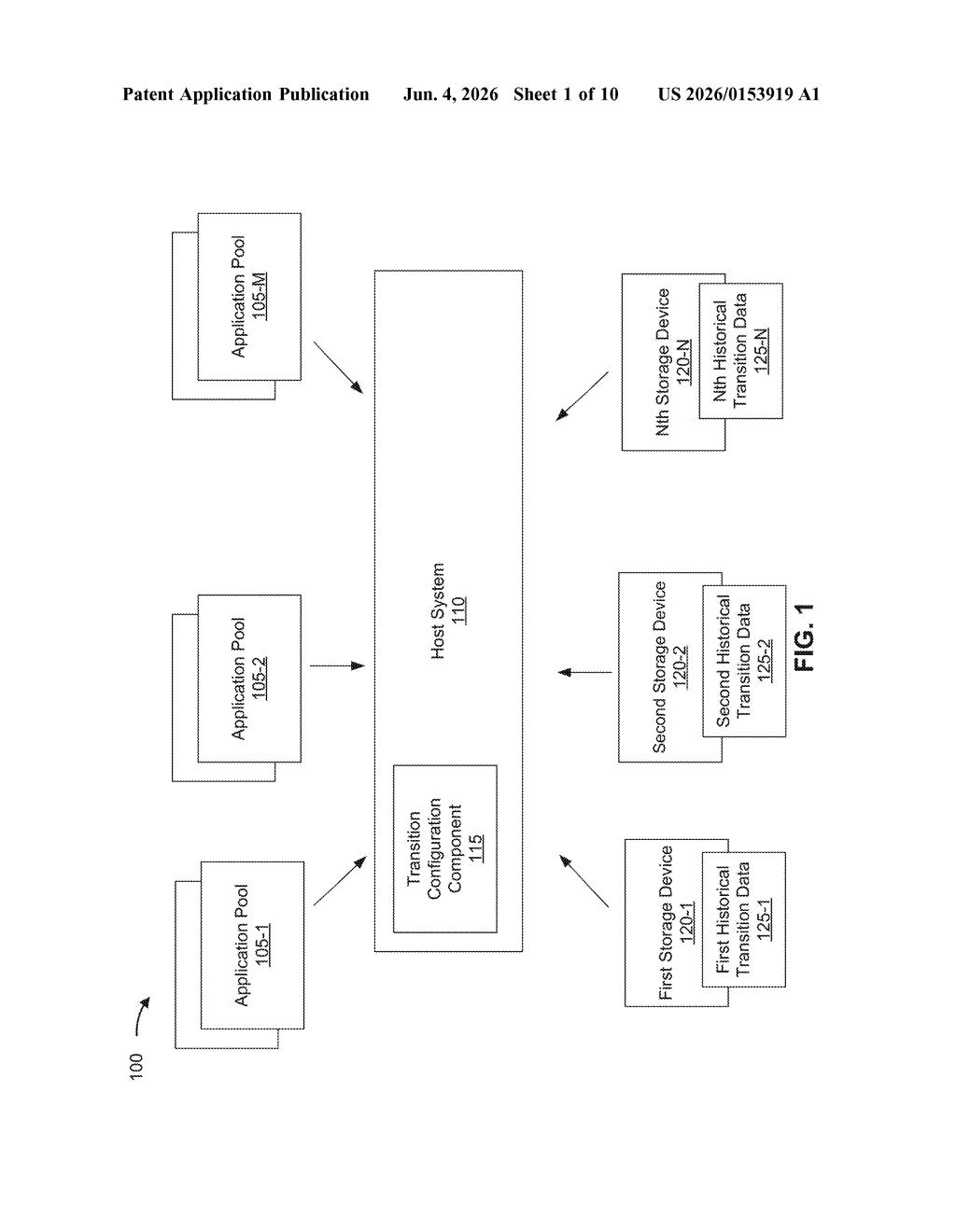
What IBM's predictive drive wake-up actually does
Imagine you set your alarm for 7:00 AM, but your coffee maker waits until you actually walk into the kitchen before starting to brew. You'd stand there waiting every single morning. IBM's patent is basically about giving your storage drive its own alarm clock.
Storage drives — whether SSDs in servers or NVMe drives in workstations — go into low-power sleep states when they're not being used. That saves energy, but it also means there's a lag every time something needs to read or write data. The drive has to fully wake up first, and that takes time.
This patent describes a system where the host computer (the machine the drive is plugged into) studies the drive's historical usage patterns. If the drive consistently gets hammered with requests every morning at 9 AM, the host pre-programs the drive to wake itself up at 8:58 AM — before the first request lands. No waiting, no latency spike.
How the host learns when to send the wake signal
The patent describes a host-side system that analyzes what IBM calls a power state schedule — essentially a historical log of when a storage device receives operational commands (reads, writes, etc.) after being in a sleep or idle state.
Using that schedule, the host calculates a transition period: the optimal amount of time the drive should sleep before autonomously waking itself back up. The host then generates transition configuration information — essentially a timer or trigger instruction — and pushes it down to the storage device.
Once configured, the storage device uses this information to exit its non-operational power state (sleep/idle) on its own, proactively, rather than waiting for the host to send a wake command. The key outcome: by the time the next operational command arrives from the host, the drive is already awake and ready.
- Host analyzes historical command timing to build a usage schedule
- Host calculates how long the drive can safely sleep before needing to wake up
- Configuration is pushed to the drive so it self-wakes on a timer
- Drive is operational before the next request arrives — eliminating wake latency
What this means for latency-sensitive storage workloads
Storage latency is one of those things that compounds fast in enterprise environments. A single drive waking up slowly is annoying; thousands of drives in a data center all experiencing wake latency under bursty workloads is a genuine performance problem. IBM's approach shifts the intelligence to the host scheduler rather than relying on reactive wake-up signals, which is a more predictable architecture for time-sensitive storage access patterns.
For NVMe and enterprise SSD deployments — the audience most likely to care about this — predictable low-latency access is a core requirement. If this approach holds up in practice, it's a software-level fix to a hardware timing problem that doesn't require new drive silicon. That's the practical upside: you get better latency without buying new hardware.
This is a tidy, narrowly scoped patent that solves a real problem in enterprise storage — one that's easy to overlook because wake latency is invisible until it isn't. It's not flashy, but IBM's focus on pushing predictive configuration to the device rather than polling from the host is a sensible architecture choice. Worth filing; probably worth shipping.
There are more where this came from
We read every patent application Big Tech publishes and send you the ones worth knowing. Plain English, free, every week.
Want this weekly breakdown for a company we don't cover? Patentlyze Pro →