
Apple Patents a Triangle-Split Video Compression Technique
Apple has filed a patent for a video encoding trick that splits image blocks diagonally into triangles, letting a single index in the compressed file describe two different prediction regions at once — a compact way to encode complex motion at block edges.
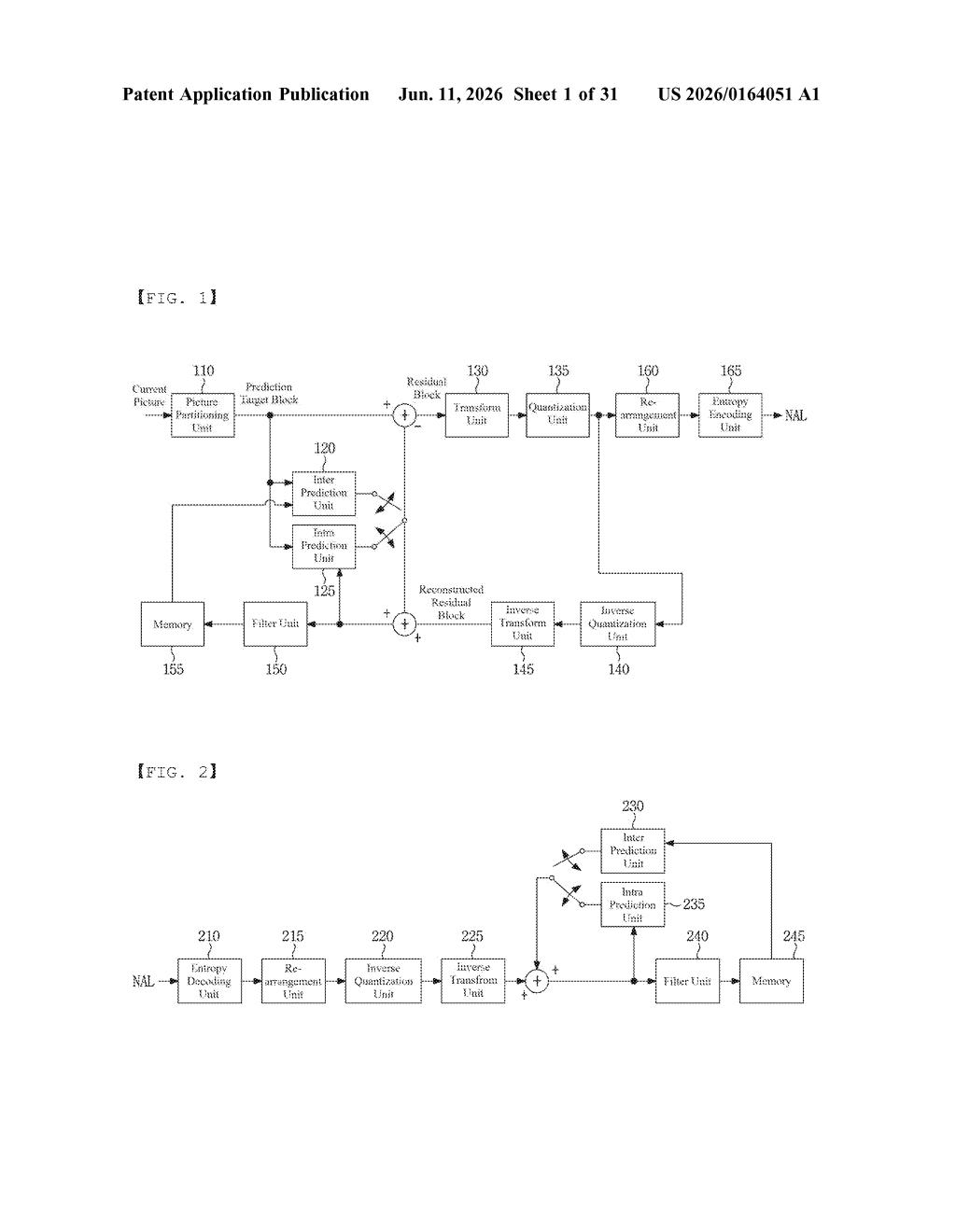
What Apple's triangle block video encoding actually does
Imagine your streaming app is trying to compress a video frame. The standard approach chops the picture into square blocks and predicts what each block looks like based on nearby content. That works well for flat areas, but falls apart at diagonal edges — like a ball flying across a background — because a square block can't cleanly follow an angled boundary.
Apple's patent describes a method where a block gets split diagonally into two triangles, each of which can follow its own reference frame or motion vector. The clever part: a single number (an index) in the compressed data describes both triangles at once. The second triangle's reference is just that index plus a fixed offset, so you get two pieces of information for the price of one.
This is the kind of low-level compression engineering that you'd never notice directly — but it shows up as crisper edges in fast-moving video, or the same quality at a lower file size.
How the triangle merge candidates reduce bitstream size
The patent describes a triangle partition mode for video encoding, where a rectangular coding block is divided diagonally into two triangular prediction units (the sub-regions the encoder makes separate motion predictions for).
Normally, each prediction unit needs its own merge candidate — a reference to a neighboring block whose motion data it wants to copy (think of it as borrowing a motion arrow from a nearby block rather than calculating a new one from scratch). Storing two separate merge candidates costs bits.
This patent's solution: encode only one index value for the whole block. The first triangle uses whatever merge candidate that index points to. The second triangle automatically uses the candidate at index + offset — the offset is a fixed, pre-agreed value, so the decoder can reconstruct both without being told the second index explicitly.
- First prediction unit: uses merge candidate at position = index
- Second prediction unit: uses merge candidate at position = index + offset
- Net result: two motion references encoded with one number, saving bits in the bitstream
The abstract also references intra BDPCM (Block-based Delta Pulse Code Modulation — a technique for encoding screen content like text by predicting pixel values in a line and storing only the differences), controlled by flags in the sequence parameter set, suggesting the full patent covers multiple coding tools beyond just triangle partitioning.
What this means for streaming video quality and efficiency
Video compression is a relentless war for bits. Every frame of a 4K HDR stream contains millions of pixels, and techniques like this — shaving a few bits off diagonal motion boundaries — compound across millions of blocks per second. The triangle partition approach is part of the VVC (Versatile Video Coding) / H.266 standard family, meaning this isn't exotic research; it's the kind of codec-level IP that determines which company collects licensing fees on next-generation video infrastructure.
For you as a viewer, this translates to sharper motion edges in sports or action content at the same bandwidth, or the same visual quality eating less storage on your device. For Apple, owning patents on core codec building blocks matters a great deal as streaming and on-device video processing grow.
This is deep-in-the-weeds codec IP — the kind that wins standards-body votes and licensing negotiations, not product announcements. It's not exciting to read about, but patents like this are exactly how companies stake claims in the plumbing of every video stream on the planet. Worth noting, not breathlessly.
There are more where this came from
We read every patent application Big Tech publishes and send you the ones worth knowing. Plain English, free, every week.
Want this weekly breakdown for a company we don't cover? Patentlyze Pro →