
Google Patents an AI That Learns and Mirrors How You Talk to It
Most AI assistants treat every user the same way. Google is patenting a system that watches how you interact with its AI over time — and then permanently adjusts to match your personal style.
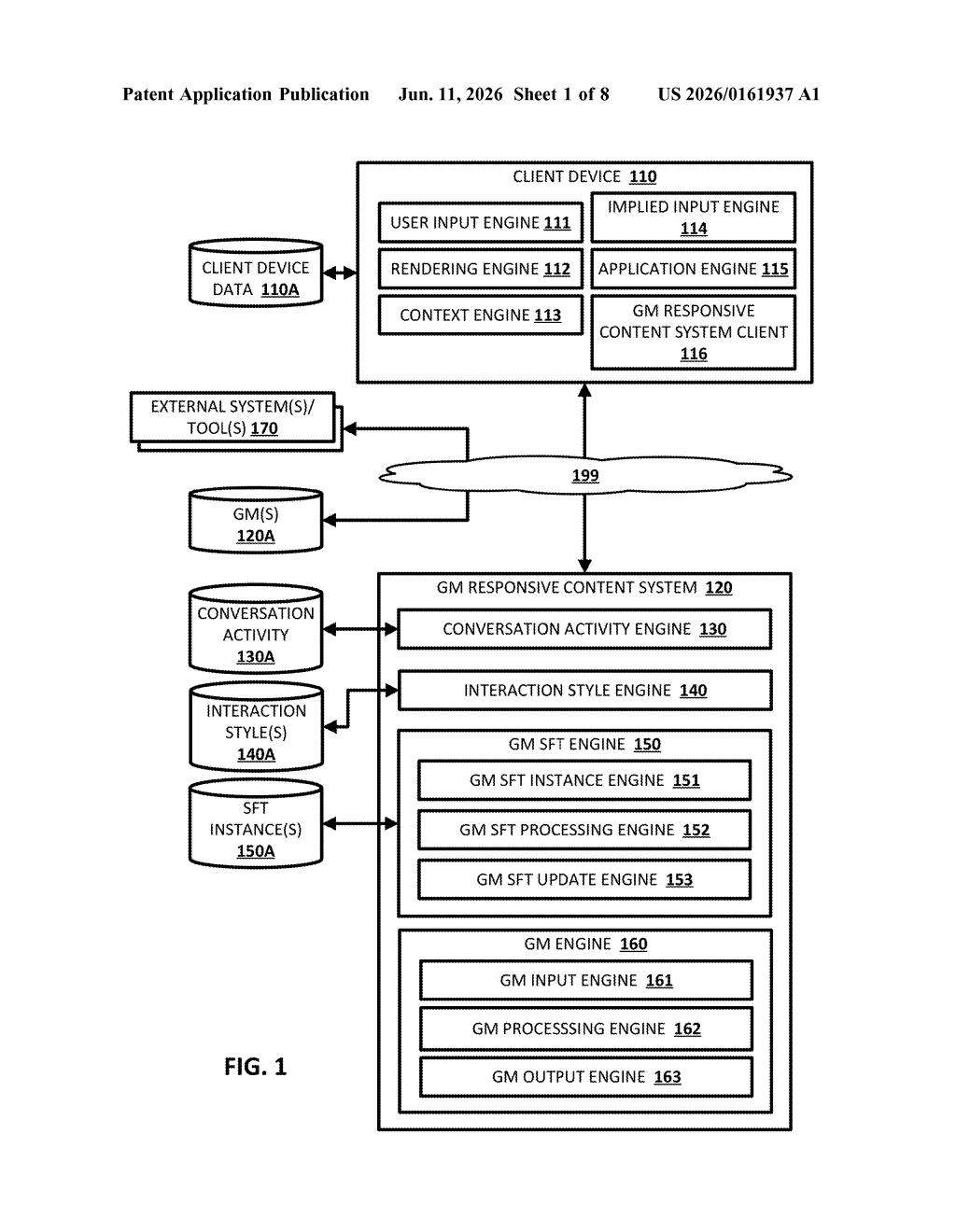
What Google's personalized AI response style actually does
Imagine you always ask your AI assistant short, blunt questions and hate long answers. Or maybe you prefer detailed explanations with examples. Right now, most AI tools reset every time — they don't remember that you like things a certain way. Google's new patent is designed to fix that.
The system watches patterns in how you interact with its generative AI over many conversations — things like how formal you are, how much detail you ask for, whether you like follow-up questions or straight answers. It then builds a model of your personal interaction style and uses it to shape every future response you receive.
The result is an AI that feels like it actually knows you. Instead of giving everyone the same kind of answer, it tailors its tone, depth, and structure specifically to how you have shown you prefer to communicate.
How the model learns and applies your interaction style
The patent describes two methods for making a generative model (an AI that produces text, like Google's Gemini) adapt to individual users.
The first approach is supervised fine-tuning — a process where the AI's underlying weights (the internal numbers that control how it behaves) are actually updated based on your past conversations. Think of it like the model getting a personalized re-training session just for you, so it doesn't just remember your style, it becomes shaped by it.
The second approach is prompting — instead of retraining the model, the system summarizes your interaction style and quietly slips that summary into every new conversation as a set of instructions the AI reads before responding. This is lighter-weight and easier to update as your style evolves.
In both cases, the core loop is the same:
- Observe how the user interacts across many sessions
- Extract a "particular interaction style" specific to that user
- Use that style to filter or shape the AI's output before it reaches the user
The patent is careful to note the style is specific to the user — not a general preference setting, but something derived from actual behavior.
What this means for the future of Google's AI products
For Google, this is about making Gemini (and any future AI assistant products) feel meaningfully different from competitors. If your AI genuinely adapts to you over time rather than starting fresh every session, switching to a rival tool has a real cost — you'd lose that learned familiarity. That's a powerful form of user retention.
For you, the practical upside is an assistant that stops feeling generic. But there's a flip side: the more a model is tuned to your existing habits, the less likely it is to challenge them. An AI that always matches your style might quietly reinforce how you already think rather than offering genuinely different perspectives.
This is a straightforward but genuinely useful patent. Persistent personalization is one of the most obvious missing features in today's AI assistants, and Google is staking out the IP territory early. The fine-tuning approach in particular has real teeth — if it ships at scale, it would be a meaningful technical moat, not just a settings menu.
There are more where this came from
We read every patent application Big Tech publishes and send you the ones worth knowing. Plain English, free, every week.
Want this weekly breakdown for a company we don't cover? Patentlyze Pro →